Jul 17, 2026
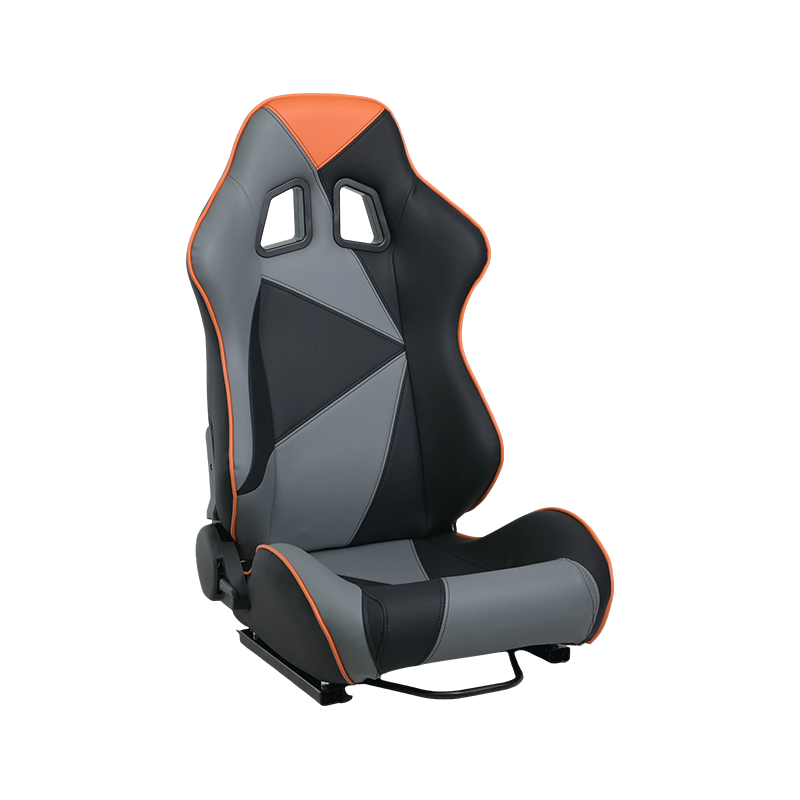
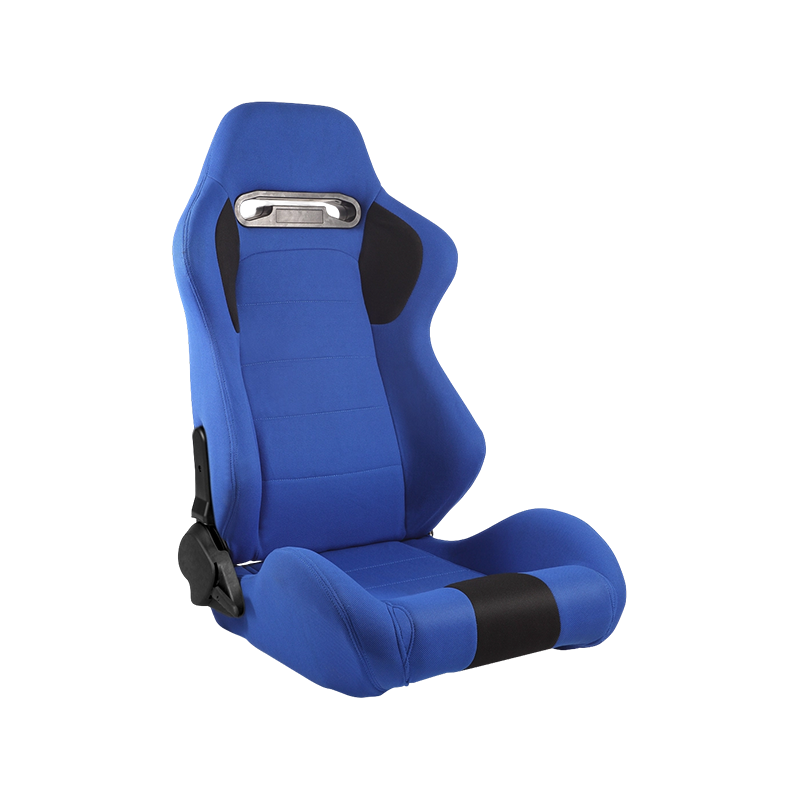
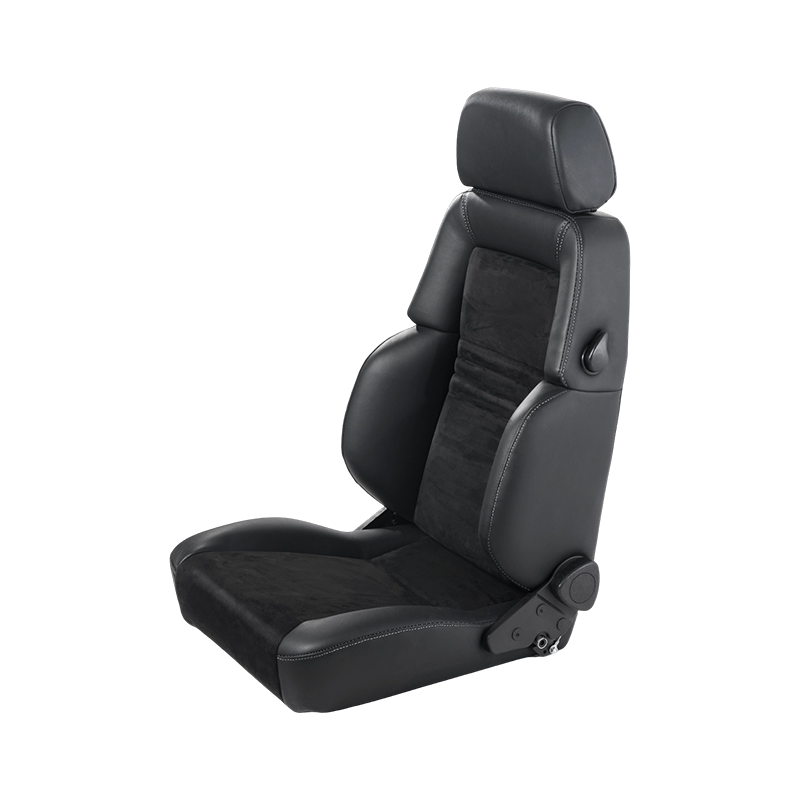
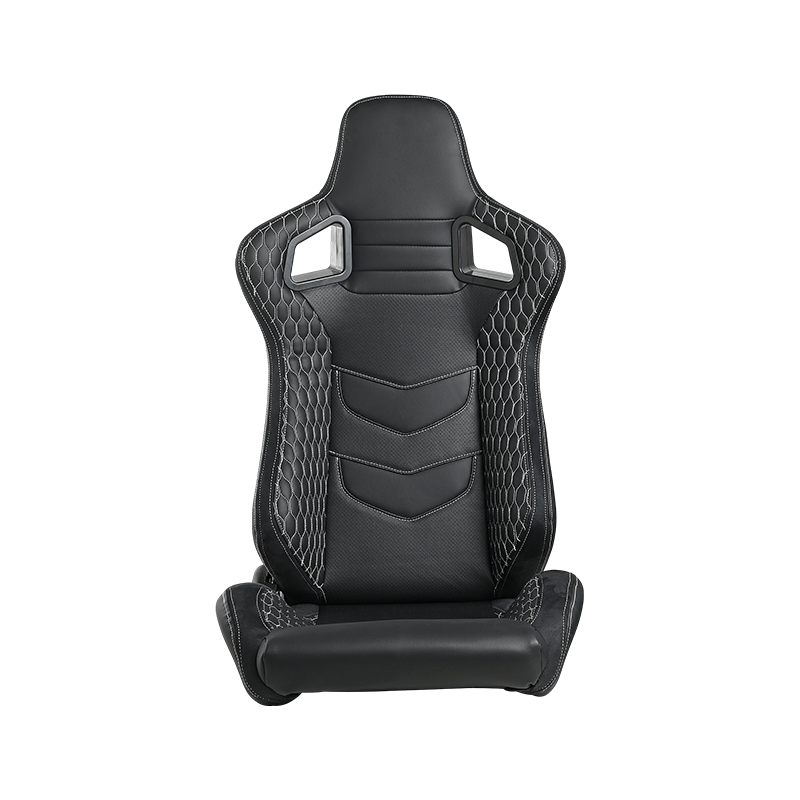
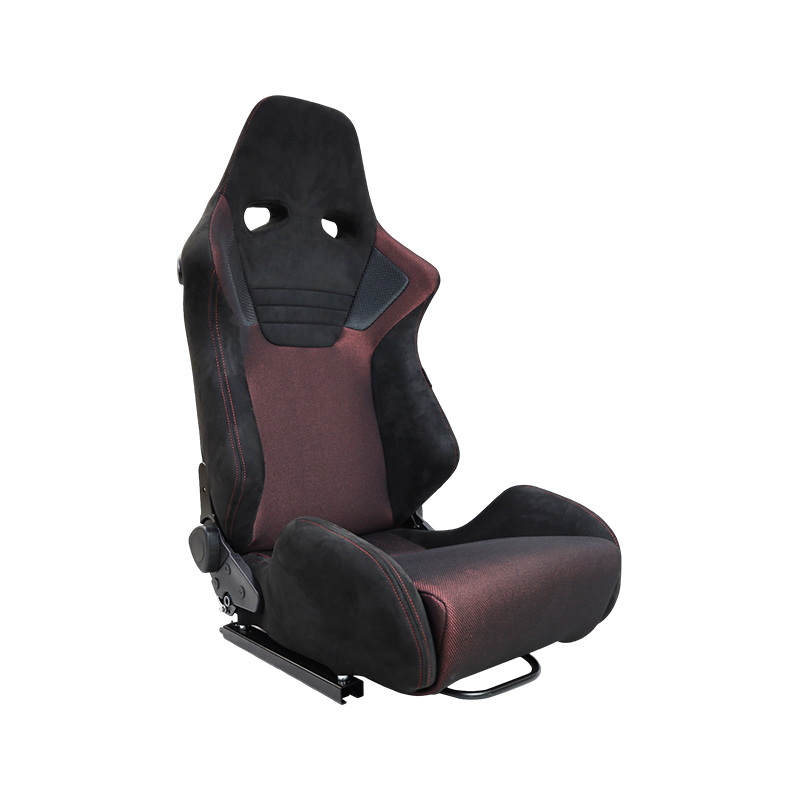
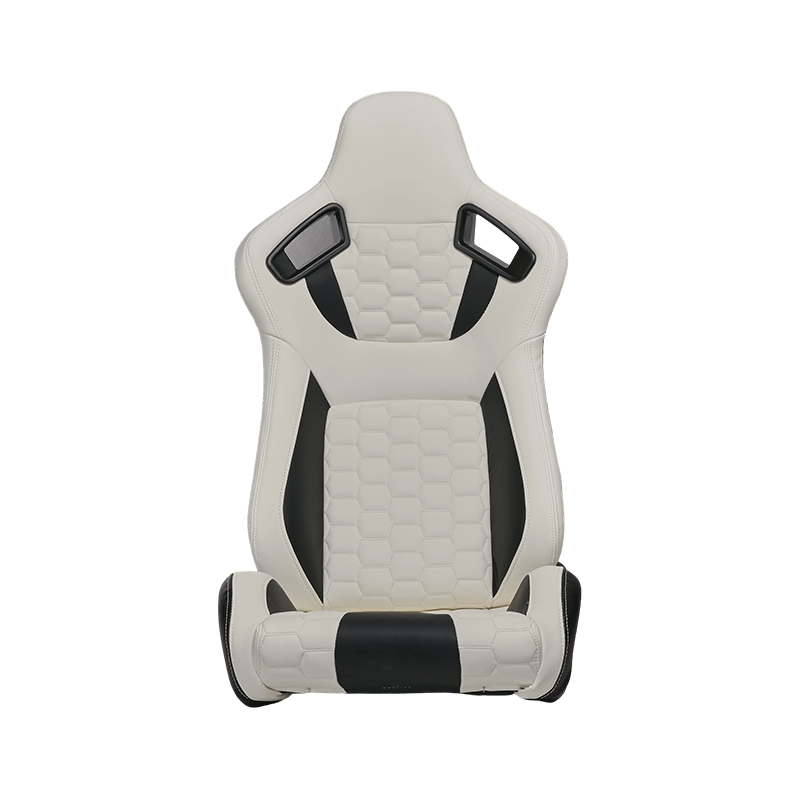
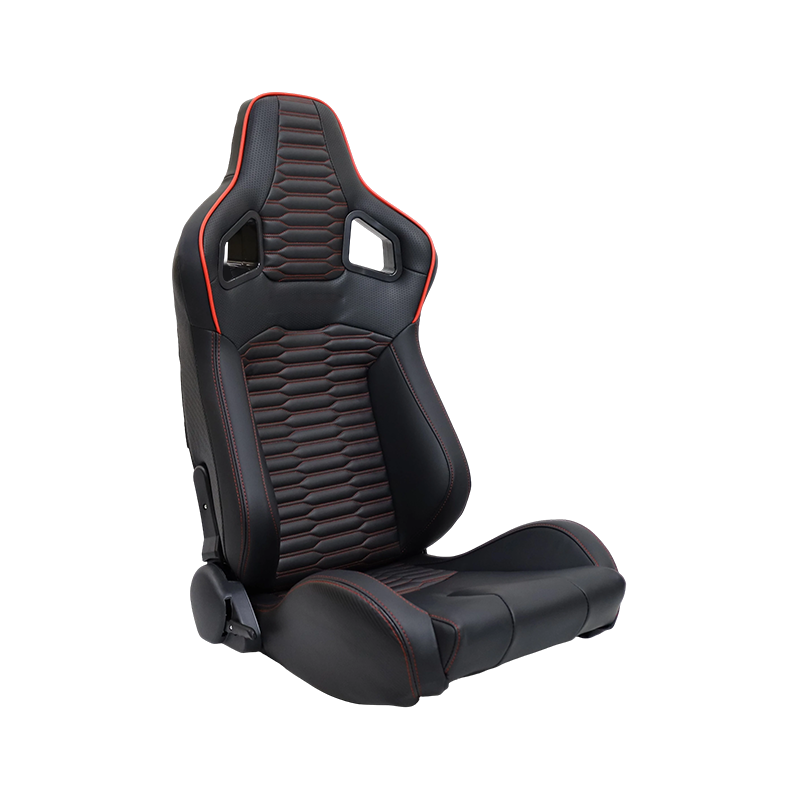
Customizing a vehicle interior often starts with the seats. Drivers may replace factory seats with sport-style designs, improve cabin appearance, add stronger side support, or create a more personalized driving position. However, custom modified car seats involve more than changing fabric, foam, or appearance. Modern seats are connected with safety systems, including airbags, seat belt anchors, occupancy sensors, and electronic modules.
A modified seat can deliver improved comfort and driving support, yet compatibility with original safety systems requires careful evaluation. A seat is not an isolated component; it works as part of a larger occupant protection structure. Vehicle safety organizations have noted that changing seat mounting systems or relocating seats may influence seat belt performance, airbag operation, and occupant protection systems.
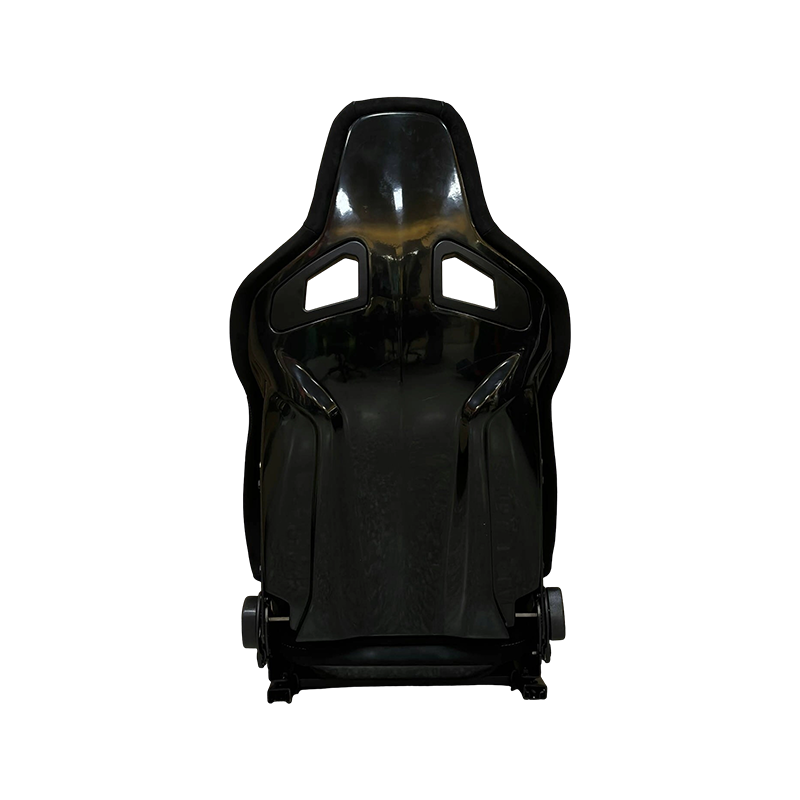
Original equipment seats are designed together with the vehicle platform. Engineers consider seat frame strength, mounting points, belt geometry, sensor placement, and impact response during development.
Replacing or modifying one part may change how these systems interact.
Seat rails may look simple, but they are engineered to handle significant forces during collisions. Factory mounting points are reinforced areas of the vehicle structure rather than random attachment locations.
| Component | Primary Function | Modification Concern |
| Seat rail | Position adjustment and load transfer | Incorrect brackets may reduce structural strength |
| Mounting bolts | Secure seat connection | Wrong grade or size may affect durability |
| Seat frame | Occupant support | Altered structure may change impact behavior |
| Belt anchor point | Restraint positioning | Incorrect angle can reduce belt effectiveness |
Many modern vehicles place side airbags inside the factory seat back. These airbags are positioned according to the original seat shape, door structure, and occupant location.
Replacing an OEM seat with an aftermarket design may remove or reposition these components. The result is not simply a different appearance; it can change the relationship between the occupant and the airbag deployment area.
Vehicle manufacturers have warned that modifications involving seats, airbag modules, sensors, and related wiring may influence airbag system operation. :contentReference[oaicite:1]{index=1}
Passenger seats in many vehicles include weight detection or occupancy classification systems. These systems help determine airbag deployment strategies.
Changing seat cushions, foam density, or internal structures may influence sensor readings.
| Seat Modification | Possible System Impact |
| Replacing seat foam | May change pressure distribution |
| Changing upholstery layers | May affect sensor sensitivity |
| Installing racing seats | May remove factory occupancy components |
| Adding brackets | May change seat height and position |
A custom seat installation often depends on brackets and adapters. These parts determine how forces travel from the seat shell into the vehicle floor.
A high-quality modification normally considers:
A modified seat may place the driver lower, higher, or closer to the steering wheel compared with the factory configuration. These changes influence visibility, pedal reach, and belt alignment.
Common fitment concerns include:
Daily driving vehicles usually depend heavily on factory safety features. Removing or changing original seat components requires additional attention because airbags, electronic systems, and restraint designs are interconnected.
Street-focused seat upgrades generally prioritize:
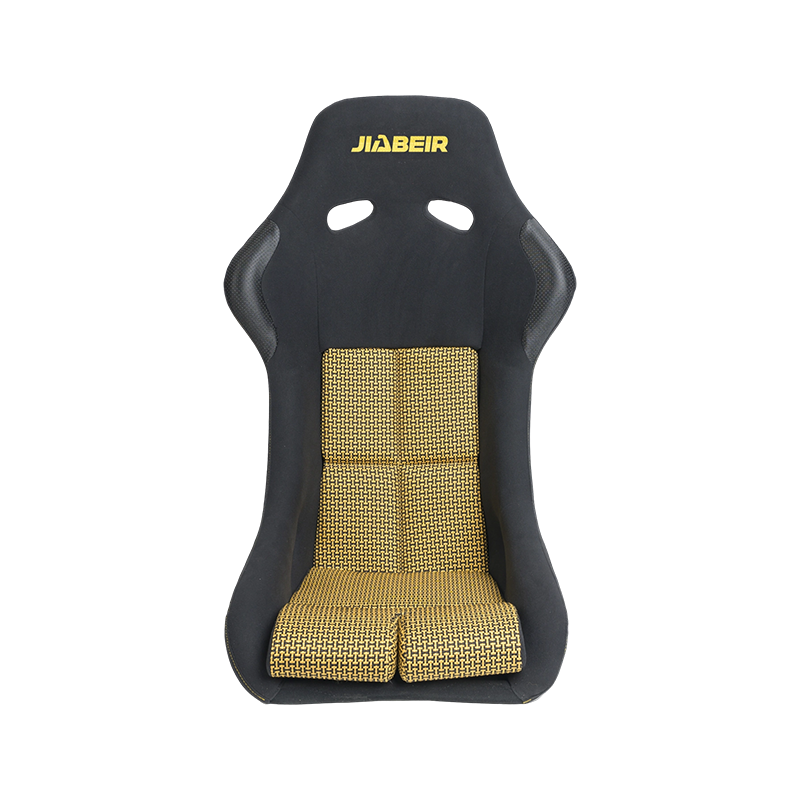
Motorsport-oriented vehicles often use fixed-back bucket seats, harnesses, and dedicated mounting systems. These setups are designed around different operating conditions compared with passenger vehicles.
| Application | Seat Design Focus | Main Requirement |
| Daily street car | Comfort and system integration | Compatibility with factory functions |
| Track vehicle | Driver containment and rigidity | Proper racing equipment installation |
| Show vehicle | Interior appearance | Visual customization |
Before installing a modified seat, review:
Modern vehicles may have multiple seat-related electrical connections. These can include:
Ignoring these systems may create warning signals or reduce the function of integrated safety equipment.
A rigid seat shell does not automatically replace a vehicle’s complete safety design. Seat strength, mounting structure, belt compatibility, and vehicle architecture must work together.
Universal hardware improves installation flexibility, but different chassis platforms have different floor structures and mounting requirements.
Airbag systems are designed as coordinated protection networks. A warning light may indicate a larger compatibility issue rather than a simple electrical inconvenience.
The aftermarket seat industry continues moving toward more integrated solutions. Manufacturers are exploring lightweight composite materials, adjustable support structures, and improved compatibility with modern vehicle electronics.
Future custom seat designs may focus on:
Custom modified car seats can transform driving comfort, appearance, and support, but their installation involves more than replacing factory hardware. Airbags, OEM rail systems, sensors, and restraint components all influence the final result.
A successful seat modification balances personalization with engineering considerations. Careful attention to mounting design, electronic compatibility, and vehicle structure helps ensure that an upgraded interior remains practical and reliable for its intended use.
Hot Products

If you are interested in our products, please consult us!
contact us
E-mail: [email protected]
Tel: +86-577 6681 1072+86-577 6556 8920
WeChat / WhatsApp: +86-139 5884 2868
Add: Jiangnan Avenue Economic Development Zone, Nanbin Street, Ruian, zhejiang, China.
Copyright © by Ruian JIABEIR Auto Parts Co., Ltd. Rights Reserved.
Car Seats Manufacturer & Custom Modified Car Seats


 English
 русский
 Español
 Português