Jul 24, 2026
Compact sports cars, track vehicles, and modified performance cars often create a unique driving challenge: limited cabin space combined with demanding driver positioning. A steering wheel that feels too far away, pedals positioned at an awkward angle, or a seat that provides insufficient support can gradually affect driving posture and comfort.
Custom racing bucket seats are designed to address these challenges by offering a more focused connection between the driver and the vehicle. However, replacing a factory seat does not automatically solve every posture problem. The final result depends on seat dimensions, mounting position, body shape, and cockpit layout.
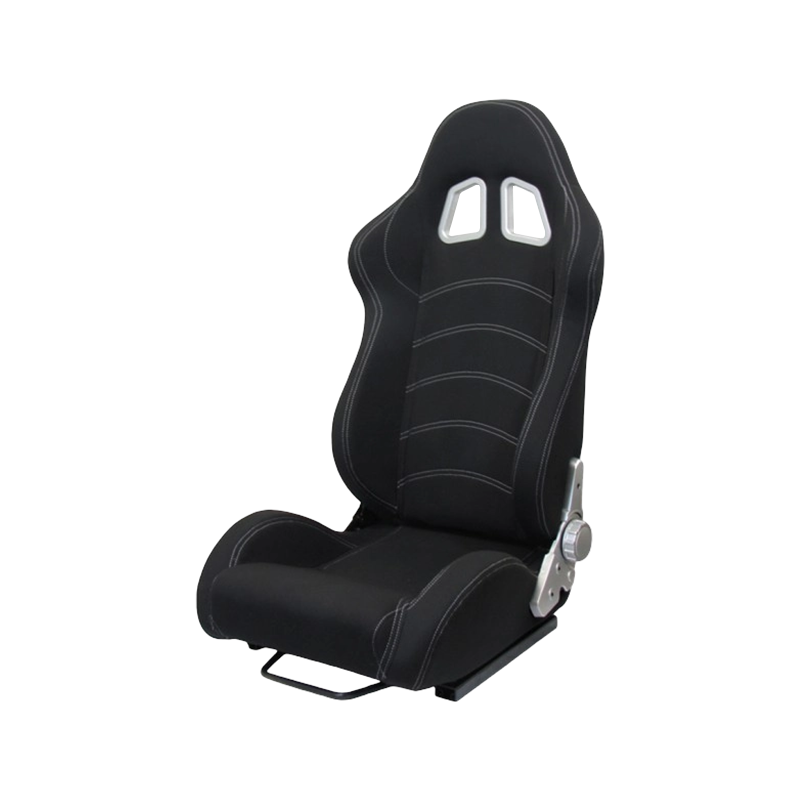
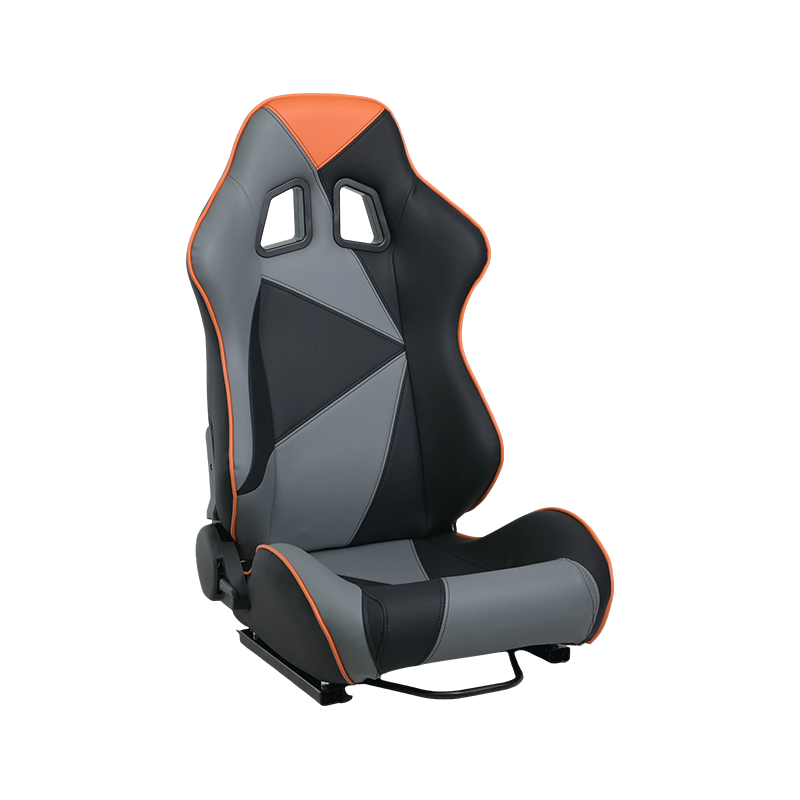
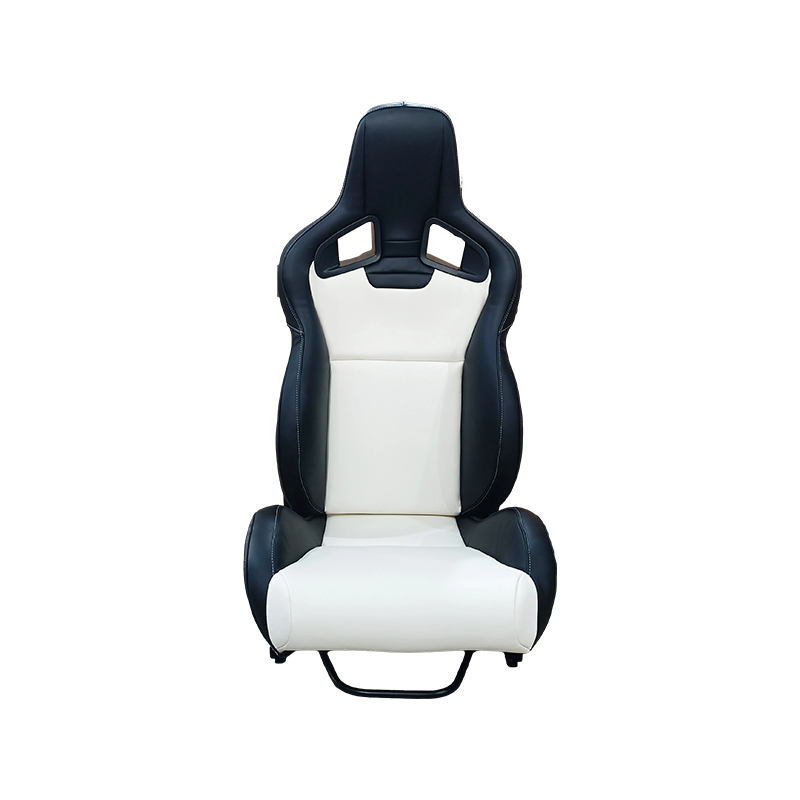
Racing-style bucket seats typically use body-contouring designs with side bolsters and fixed structures to reduce unnecessary movement during cornering. These characteristics can help maintain a consistent driving position, especially in performance-focused applications.
Small cockpits often force manufacturers to compromise between passenger space, vehicle size, and driving controls. This can create several common posture issues:
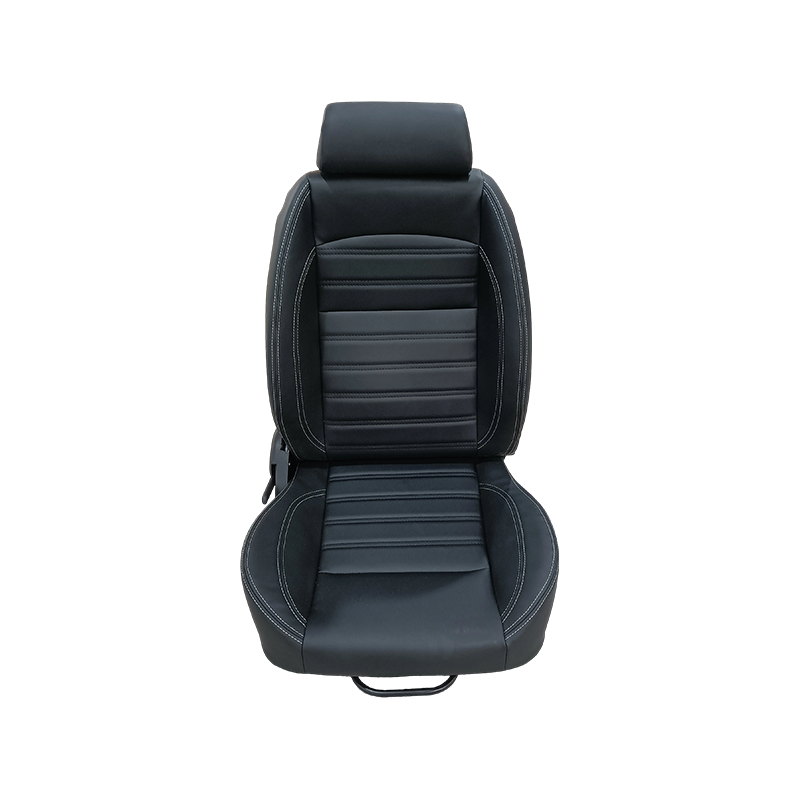
A standard factory seat usually provides adjustability for a broad range of drivers. However, a general-purpose design may not provide enough lateral support or precise positioning for aggressive driving environments.
One major difference between conventional seats and racing bucket designs is movement control. A traditional seat allows more body shifting, while a bucket seat uses deeper side support to keep the driver centered.
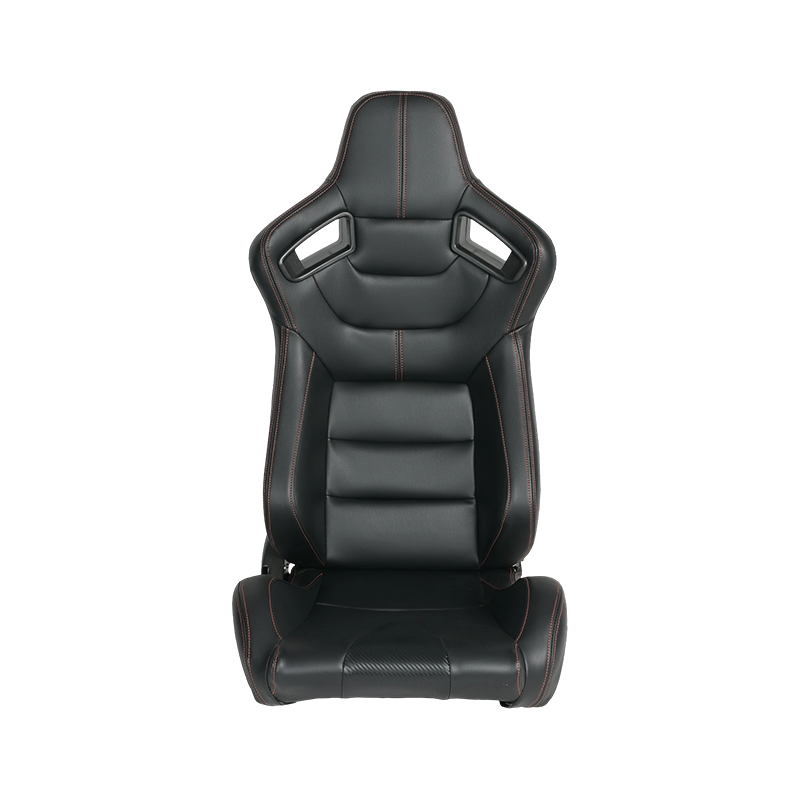
This locked-in feeling can reduce the need for drivers to brace themselves through their arms or lower back during cornering. Many racing-oriented seats combine high side bolsters, harness openings, and supportive contours to maintain driver alignment.
The seat shell itself is only one part of posture improvement. Mounting brackets and rails determine the final relationship between the driver, steering wheel, and pedals.
| Adjustment Area | Posture Influence | Typical Adjustment Range |
| Seat height | Changes visibility and leg angle | 20–60mm variation depending on bracket design |
| Seat angle | Affects hip and back alignment | Approx. 5–20 degrees adjustment |
| Forward/backward position | Controls pedal reach | Rail-based adjustment |
| Side offset | Aligns driver with controls | Vehicle-specific adjustment |
A properly positioned seat allows the driver to maintain a natural elbow bend, comfortable knee angle, and stable shoulder contact.
Tight cockpit layouts often appear in vehicles designed for quick directional changes. During cornering, the body naturally moves toward the outside of the turn.
Custom bucket designs use:
These features help create a more repeatable driving posture. Proper seat shape is especially important during long sessions, where small ergonomic issues can become noticeable fatigue factors.
A common misunderstanding is that a tighter racing seat automatically improves comfort. The opposite can happen if the seat size does not match the driver.
| Driver Characteristic | Possible Seat Requirement |
| Broad shoulders | Wider upper shell design |
| Long legs | Extended seat base or adjusted pedal position |
| Short torso | Higher shoulder support positioning |
| Narrow hip width | Closer side containment |
A seat that is too narrow may create pressure points, while a seat that is too wide may fail to provide sufficient body control.
Even a well-designed racing seat can feel uncomfortable with incorrect installation. Seat height, tilt angle, and rail placement influence how the body interacts with the vehicle.
Common installation-related problems include:
Racing simulator communities often report that discomfort comes from setup errors rather than the bucket seat concept itself, especially regarding seat angle and support positioning.
Many performance bucket seats use fiberglass composites or carbon fiber structures. These materials provide a rigid foundation while keeping weight controlled.
| Material | Typical Characteristics | Common Application |
| Steel frame | Durable and cost-efficient | Street performance seats |
| Fiberglass composite | Rigid with moderate weight | Track-inspired seats |
| Carbon fiber composite | High stiffness-to-weight ratio | Premium racing applications |
Material alone does not determine ergonomic quality. Cushion density, shell shape, and mounting position remain equally important.
A racing seat needs to provide support without creating excessive pressure. Different foam densities are used to balance firmness and vibration absorption.
Important padding areas include:
A street vehicle requires frequent entry and exit, adjustable comfort, and compatibility with factory safety equipment. A fixed racing seat may provide nice support but reduce convenience.
Track environments place greater demands on body control. Drivers benefit from seats that minimize movement and maintain consistent positioning through repeated high-load situations.
| Vehicle Type | Seat Priority |
| Daily performance car | Balance between comfort and support |
| Weekend track car | Driver containment and feedback |
| Competition vehicle | Rigid positioning and harness compatibility |
The aftermarket seat industry continues moving toward more personalized solutions. Advanced manufacturing methods, digital measurement tools, and modular mounting systems allow seats to better match individual drivers and specific vehicle layouts.
Future customization trends may include:
Custom racing bucket seats can significantly improve posture in tight cockpit layouts, but they work ideally as part of a complete seating system rather than a simple replacement component. The shell shape, mounting structure, driver dimensions, and vehicle controls must work together.
A properly fitted bucket seat helps create a stable connection between driver and machine. The real advantage comes from precise positioning, reduced body movement, and improved ergonomic support rather than appearance alone.
Hot Products

If you are interested in our products, please consult us!
contact us
E-mail: [email protected]
Tel: +86-577 6681 1072+86-577 6556 8920
WeChat / WhatsApp: +86-139 5884 2868
Add: Jiangnan Avenue Economic Development Zone, Nanbin Street, Ruian, zhejiang, China.
Copyright © by Ruian JIABEIR Auto Parts Co., Ltd. Rights Reserved.
Car Seats Manufacturer & Custom Modified Car Seats


 English
 русский
 Español
 Português