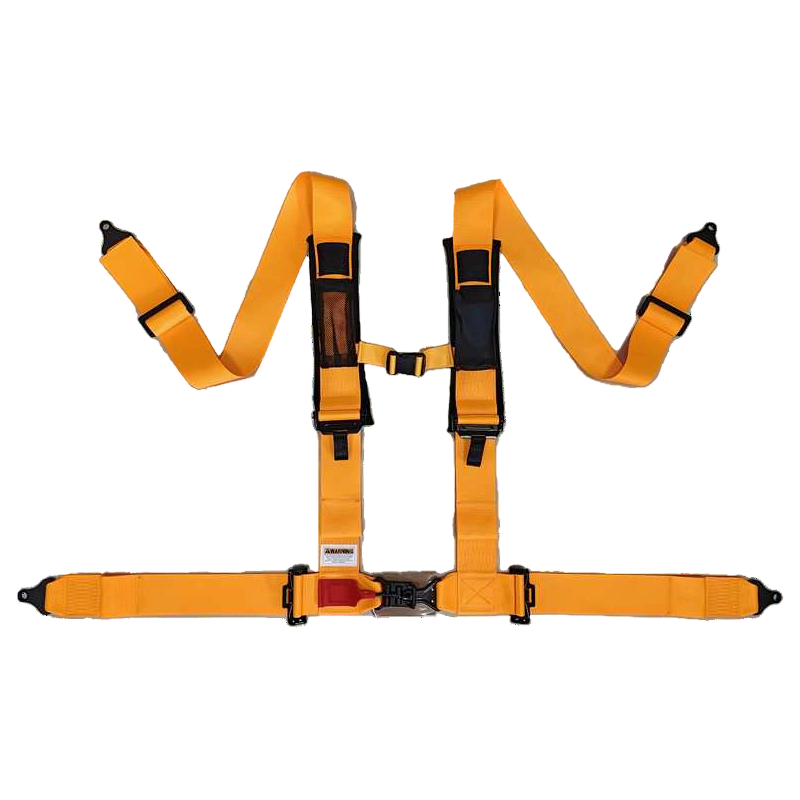
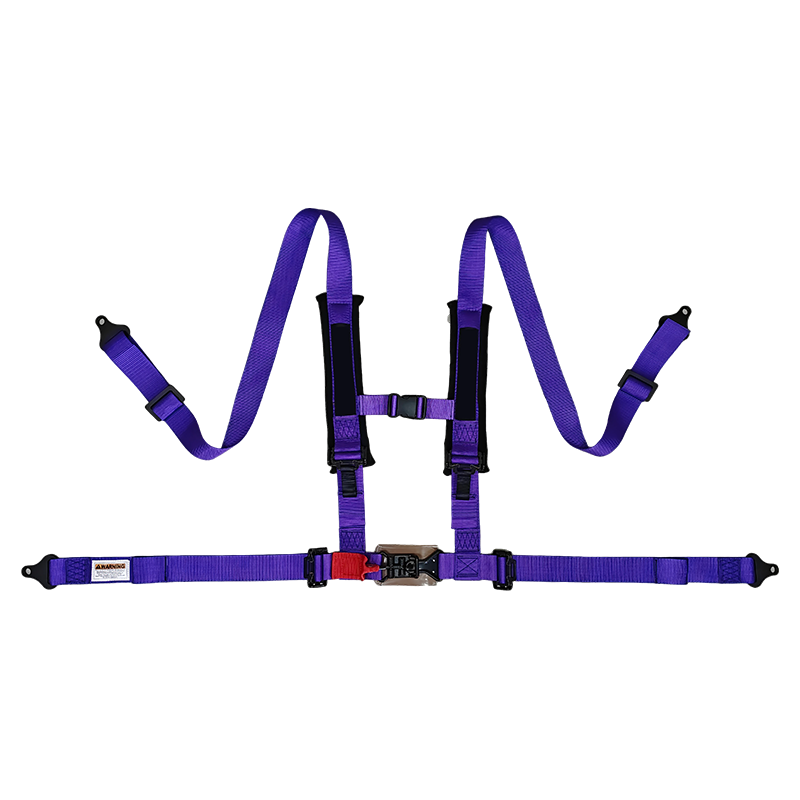
Custom Racing Harness
Home / Products / Racing Harnesses
Be the First to Know!
SUBMIT

Racing Harness For Sale

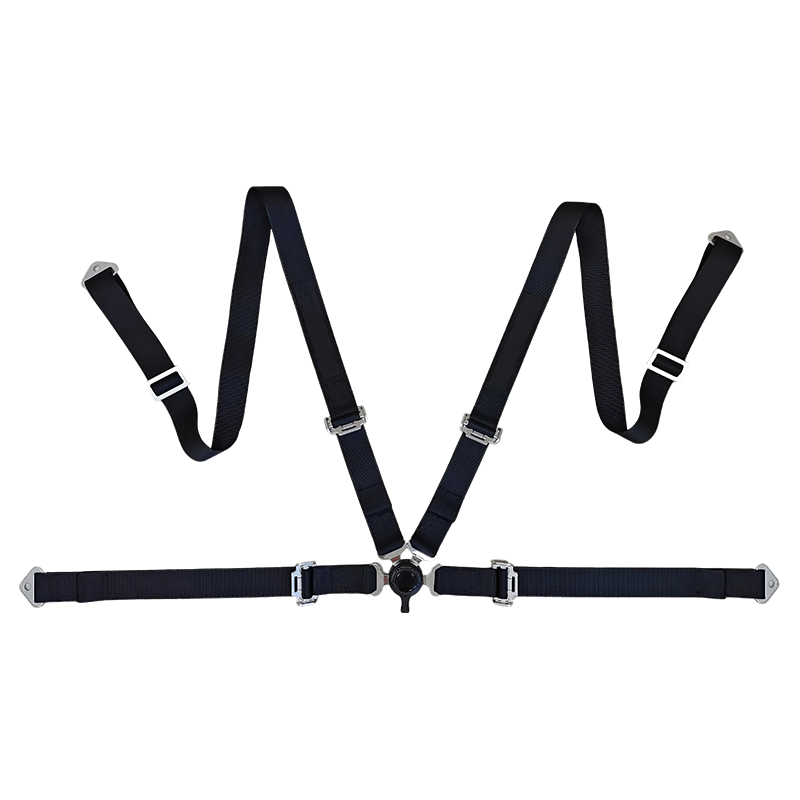
  • JBR SFI4209 High-Performance Racing Harnesses

    JBR SFI4209 High-Performance Racing Harnesses

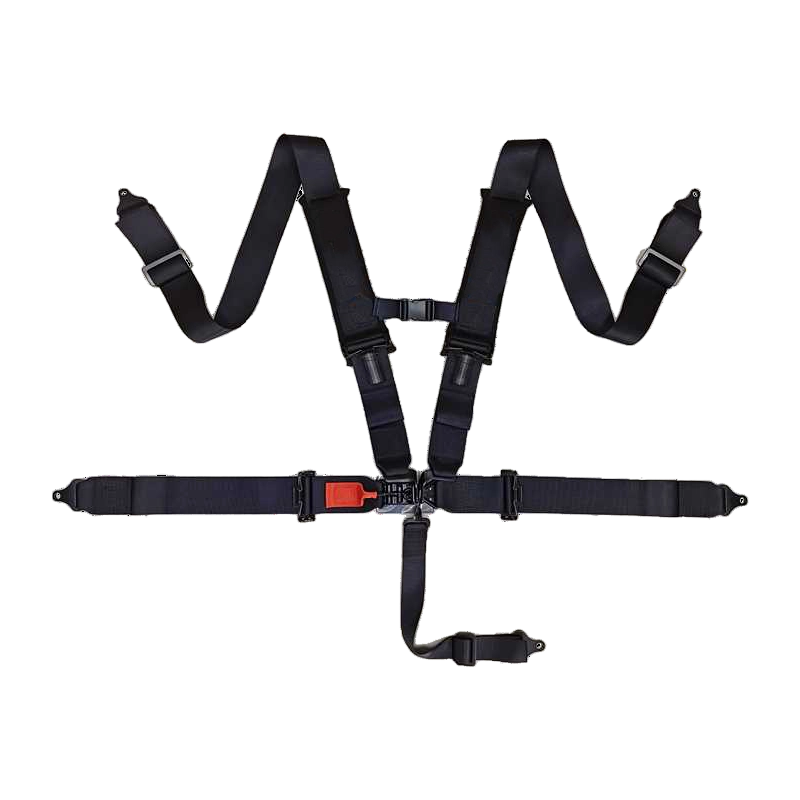
  • JBR SFI5101 Professional Racing Harnesses

    JBR SFI5101 Professional Racing Harnesses

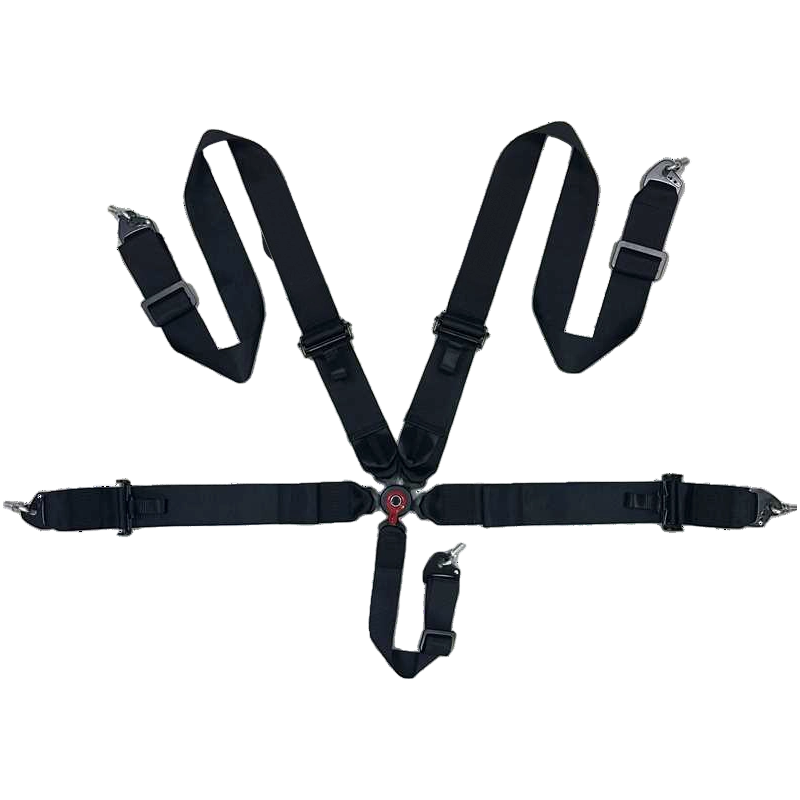
  • JBR D4101 Advanced Racing Harnesses

    JBR D4101 Advanced Racing Harnesses

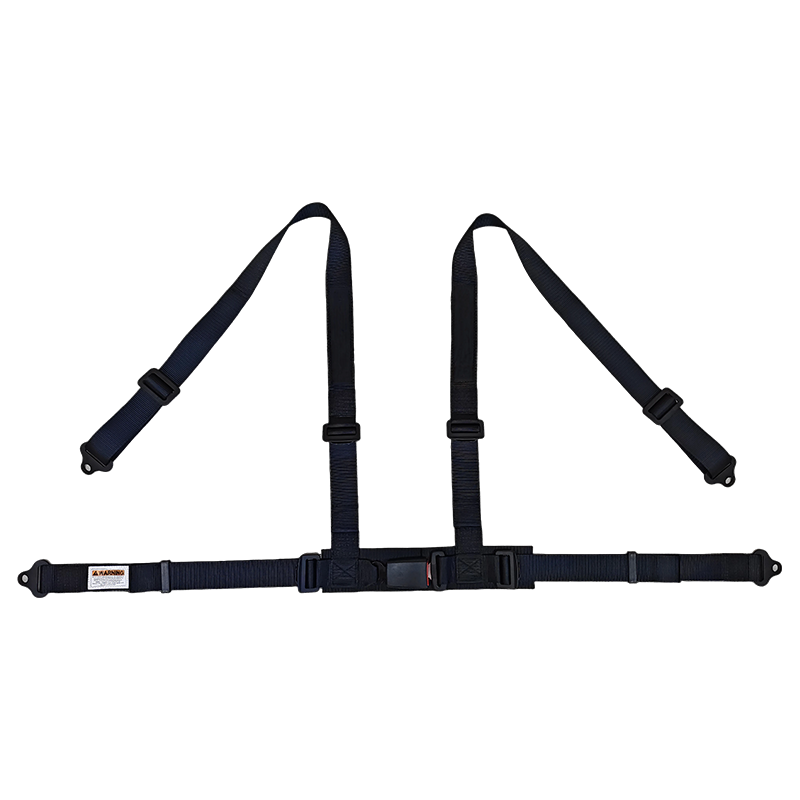
  • JBR D4102 Comfortable Racing Harnesses

    JBR D4102 Comfortable Racing Harnesses

  • JBR D3301 Multi-Functional Racing Harnesses

    JBR D3301 Multi-Functional Racing Harnesses

  • JBR D3101 Lightweight Racing Harnesses

    JBR D3101 Lightweight Racing Harnesses

Racing harnesses are an essential component of motorsports, designed to keep drivers secure during high-speed events. These harnesses come in a variety of designs and configurations, each aimed at enhancing safety while maintaining comfort throughout the race. Whether you're participating in a professional race or a hobbyist event, selecting the right racing harness is crucial for both performance and protection.

Designed for the largest Security

One of the primary features of racing harnesses is their ability to secure the driver firmly in place, preventing unnecessary movement during high-speed maneuvers. The largest racing harnesses feature a multi-point belt system, including 5-point and 6-point harness options, which ensures that the driver remains safely anchored in the seat. The belts are strategically positioned to absorb impact forces and distribute them evenly, reducing the risk of injury in the event of an accident.

Advantageous Material for Durability

The materials used in racing harnesses are a key factor in their performance and longevity. High-strength webbing, typically made from materials such as nylon or polyester, is commonly used in the construction of these harnesses. These materials are chosen for their ability to withstand special conditions, including the heat and abrasion that can occur during racing. Additionally, many racing harnesses feature reinforced stitching and hardware, providing extra strength to ensure the harness remains intact during the largest intense moments of the race.

Adjustability for a Complete Fit

Racing harnesses are designed to be highly adjustable, offering a customized fit for drivers of various sizes. This adjustability ensures that the harness remains snug yet comfortable, Small the risk of discomfort or slippage during a race. Many harnesses come with easy-to-use buckle systems that allow for quick adjustments, ensuring that drivers can make changes even while seated in the car.

Lightweight Yet Strong

Despite the high level of security and durability, racing harnesses are built to be lightweight. This is crucial for maintaining the car's performance due to the Small added weight. The lightweight design does not compromise on the strength of the harness, as it is constructed with materials that are both robust and flexible. This combination of strength and lightness ensures that the harness provides good protection without negatively affecting the car’s overall speed and agility.

Ergonomic Design for Comfort

Comfort is another important consideration when selecting a racing harness. Long races can be physically demanding, and drivers need a harness that does not cause discomfort or restrict movement. Racing harnesses are designed with ergonomics in mind, ensuring that the straps do not dig into the driver’s body during extended periods of use. The soft padding and smooth webbing contribute to the overall comfort, making it easier for drivers to focus on the race without being distracted by discomfort.

Easy Installation and Maintenance

Racing harnesses are designed for ease of installation in the largest racing seats, making them an accessible option for both experienced and novice racers. The installation process is typically straightforward, with clear instructions provided by manufacturers. Additionally, maintaining a racing harness is simple, as many models are machine washable or can be wiped down easily. Regular cleaning and inspection are essential to ensure the harness remains in good condition, particularly after a race.

Racing harnesses are an indispensable part of any motorsport event, offering unparalleled safety, comfort, and durability. Whether you're driving in a professional circuit or a local event, the right racing harness ensures that you remain secure and protected throughout the race. With features such as adjustability, ergonomic design, and robust materials, these harnesses meet the needs of drivers who demand the best. Investing in a high-quality racing harness is a step towards improving both safety and performance on the track.

About JIABEIR

Established in 2009 and rooted in GeXiang High-Tech Park, Rui'an, Zhejiang Province, Ruian JIABEIR Auto Parts Co., Ltd. specializes in the R&D and production of high-end racing seats, racing simulators, and gaming chairs. With a registered capital of RMB 10 million, the company operates a modern factory spanning 10,000 square meters and employs over 90 professionals. Equipped with two in-house production lines, we ensure end-to-end quality control from raw materials to finished products, guaranteeing superior quality and timely delivery.

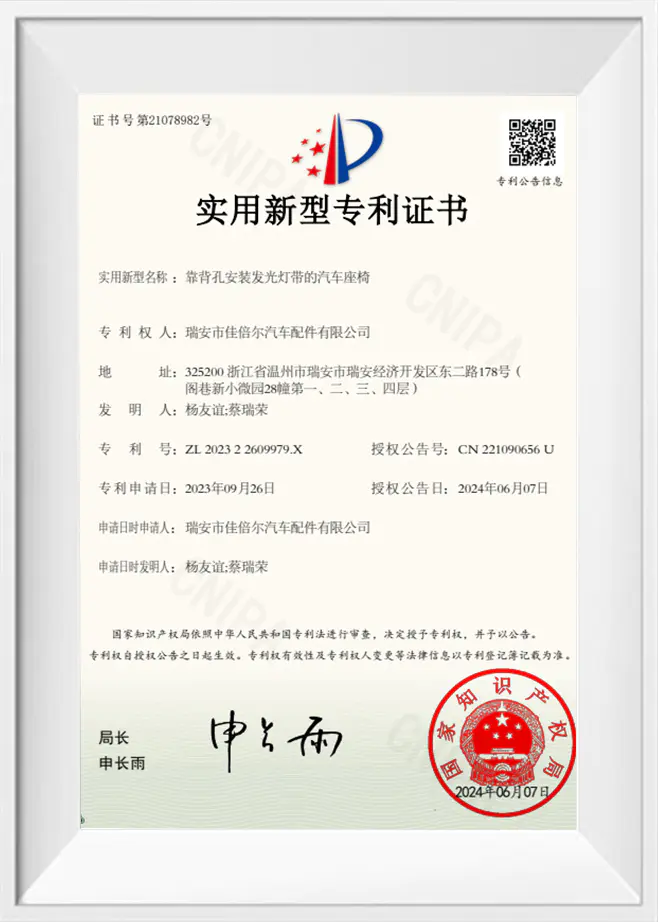
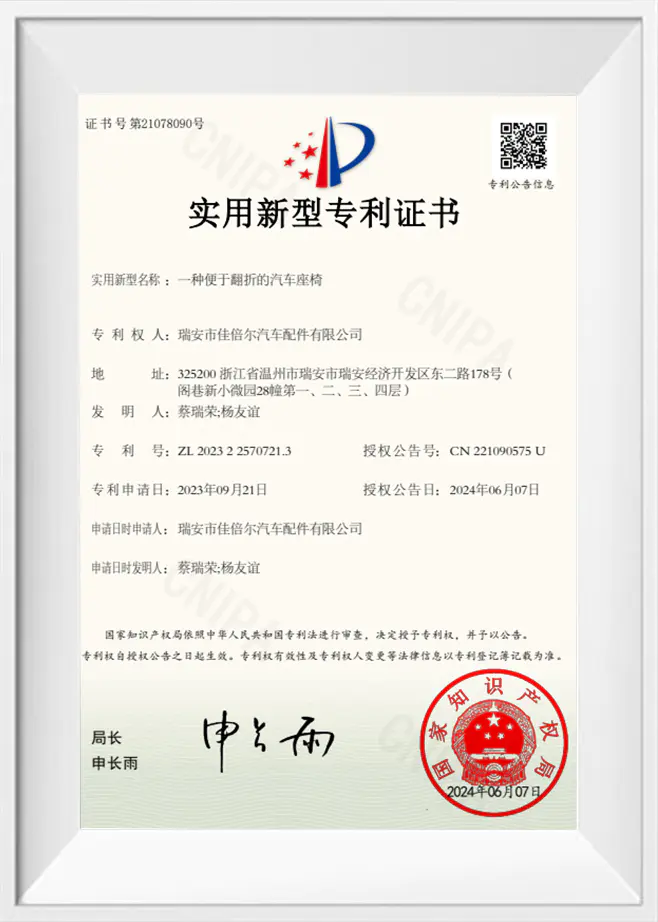
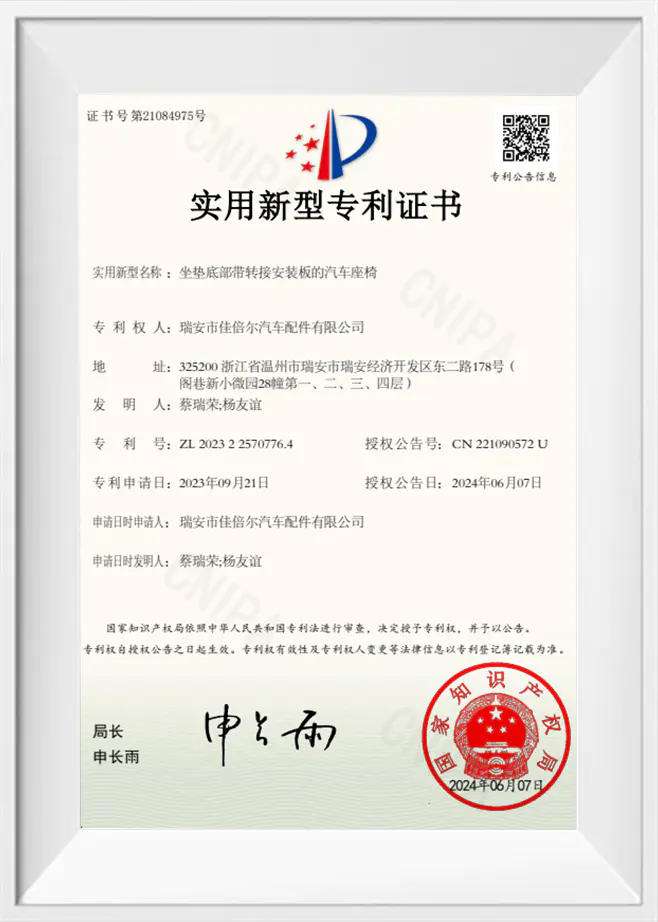
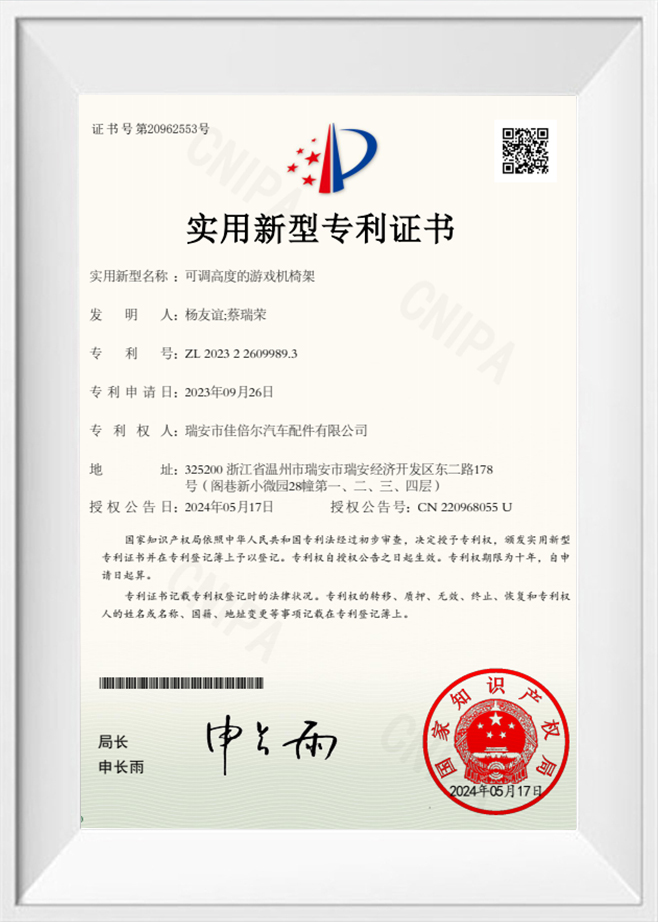
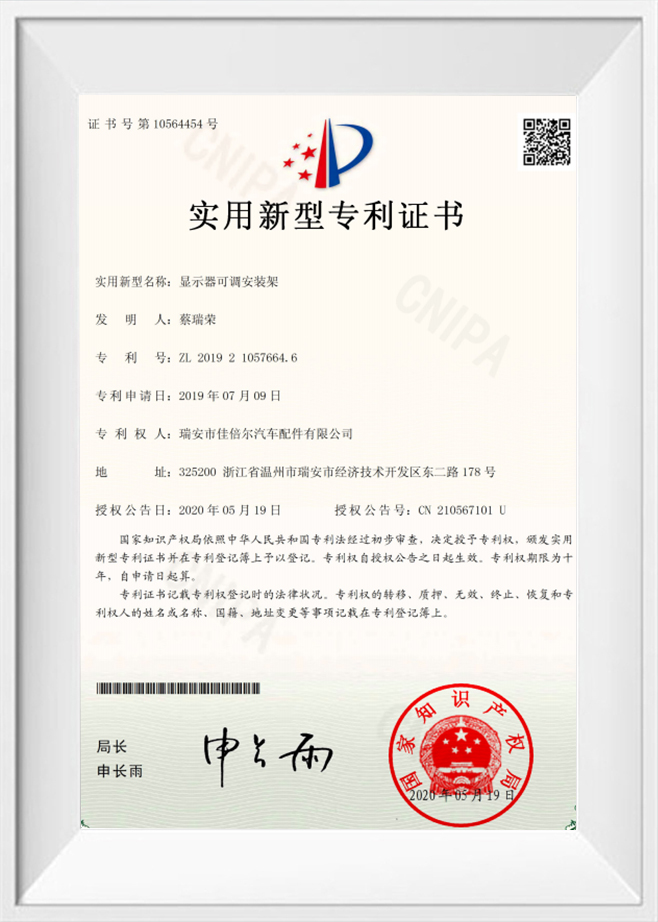
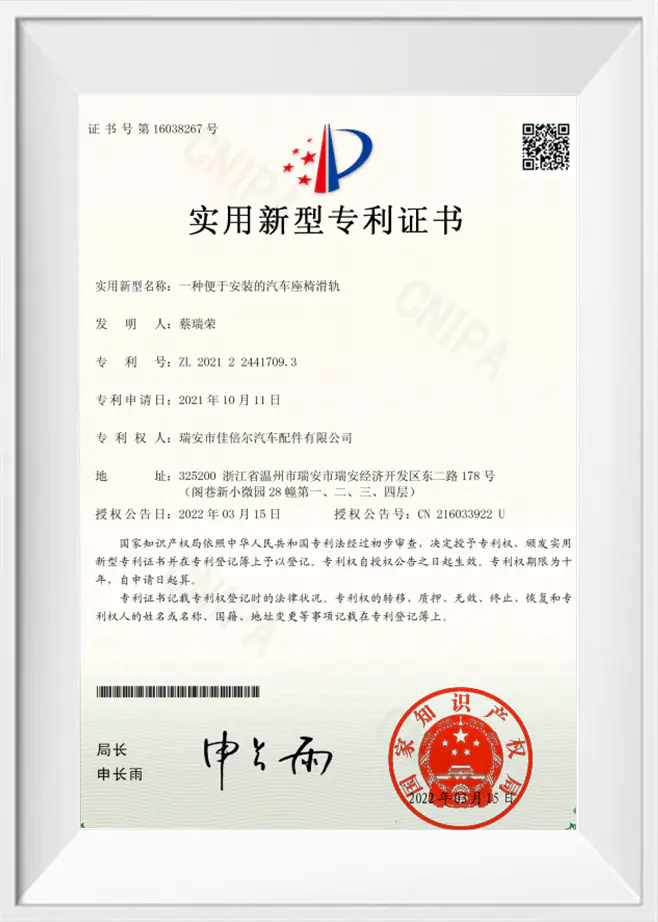
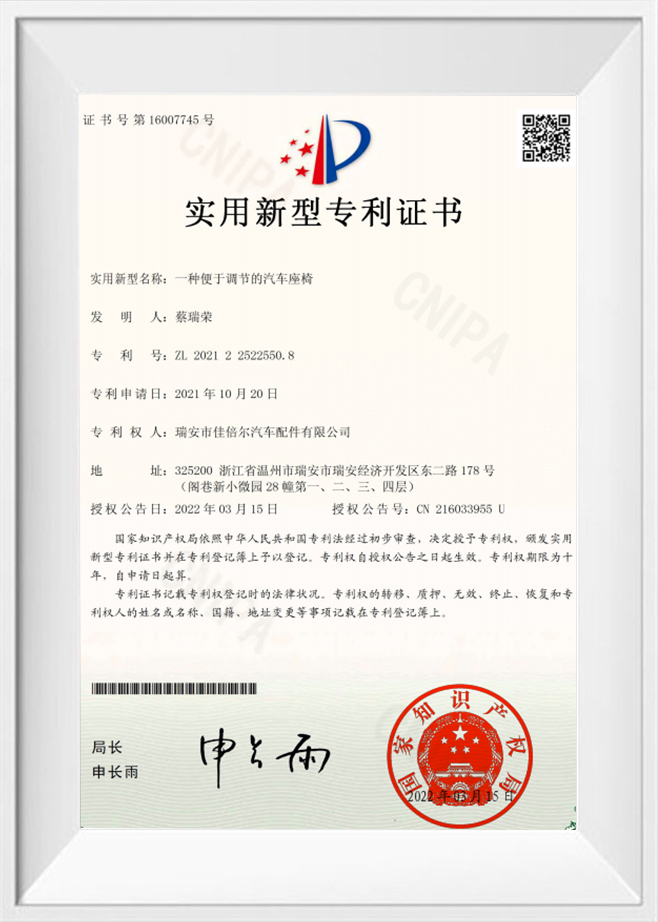
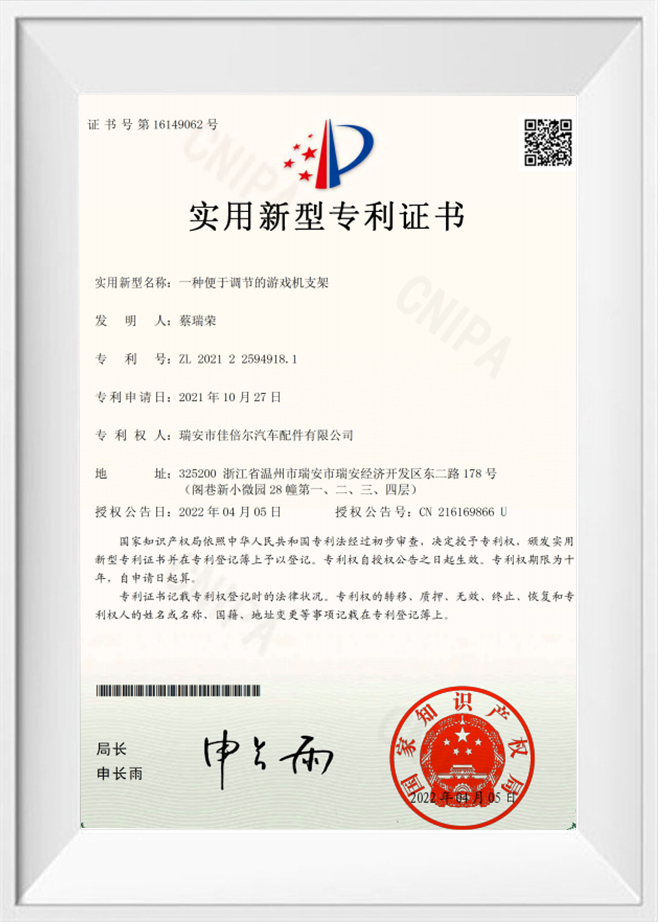
Driven by innovation, the company holds **1 invention patent, 20+ utility model patents, and nearly 100 design copyrights**, and is certified under the **IATF16949:2016** international standard. In 2022, our products were selected for the **Qatar World Cup**, providing professional seating solutions for coach and substitute benches—a testament to our global recognition.

Our products are distributed across dozens of countries in Europe, America, the Middle East, and Asia, with key markets including the U.S., Italy, and Brazil. We offer tailored **ODM/OEM services** and uphold the philosophy of **"Quality is the lifeline, service creates value."** By continuously refining craftsmanship and prioritizing user experience, we deliver ergonomic and aesthetically advanced seating solutions that are committed to advancing automotive sports culture worldwide.

Ruian JIABEIR Auto Parts Co., Ltd.

Latest Updates

Certificate Of Honor

Custom Racing Harness Materials and Off-Road Seat Belt Harness Safety

What Materials Are Commonly Used for custom racing harnesses, and Which Is Better?

A custom racing harness is only as good as the material holding the driver in place. The webbing, the thread, the hardware plating, and the padding all contribute to performance in a crash. Different materials suit different applications.

Comparison of custom racing harness materials

Component

Preferred material

Alternative

When to choose an alternative

Webbing

Polyester

Nylon

Drag racing (frequent replacement)

Thread

Nomex

Polyester

Budget builds (no fire risk)

Hardware (adjusters)

Zinc-plated steel

Aluminum

Weight-critical applications

Hardware (buckles)

Steel or aluminum

Aluminum for open-face helmets (less chin impact risk)

Padding

Closed-cell foam

Gel-filled

Endurance racing over 4 hours

End fittings

Steel (3mm thick)

Cast steel (cheaper)

Never—cast steel cracks

Are Off-Road Seat Belt Harnesses Safer?

The question seems simple. A harness holds the driver tighter than a factory seat belt. Tighter must be safer, right? Not always. Off-road seat belt harnesses introduce risks that street belts do not have. Whether they are safer depends entirely on the vehicle, the installation, and the type of off-road driving.

The submarining risk in steep descents

A factory three-point seat belt allows the upper body to rotate forward slightly while the lap belt holds the pelvis down. That rotation is intentional. It prevents the pelvis from sliding under the lap belt—a motion called submarining.

Off-road seat belt harnesses, especially five-point and six-point designs, hold the upper body completely rigid. The anti-submarine strap (the fifth point between the legs) pulls down on the front of the pelvis. On flat ground or during a forward impact, that works. But off-road vehicles frequently descend steep slopes. The driver leans forward naturally to see the trail. The harness holds the shoulders back while gravity pulls the pelvis forward. The combination can force the lap belt up over the iliac crests of the pelvis. The belt ends up around the soft abdomen. In a rollover or impact, that positioning causes internal injuries that a three-point belt would not.

Rollover protection matters more than the harness

An off-road vehicle without a roll cage is not safer with a harness. It is more dangerous. A factory three-point belt allows the driver to duck sideways during a rollover if the roof collapses. A harness holds the driver upright. The roof collapses into the driver's head instead of past it.

Off-road seat belt harnesses require a roll cage or factory roll bar that meets specific height requirements. The driver's helmeted head must stay below a line drawn from the top of the roll bar to the top of the door frame. No roll cage, no harness. The belt does not create safety. The cage creates safety. The belt just keeps the driver inside it.

Harness angle and mounting points

Factory seat belts mount to specific points designed to pull the belt across the skeleton. Off-road seat belt harnesses often mount to floor pans, seat brackets, or roll cage tubes without proper engineering.

  • Shoulder straps: The ideal mounting angle is 10–20 degrees below horizontal from the driver's shoulders. Too low (approaching 45 degrees down), and the straps compress the spine during an impact. Too high (above the shoulders), and the straps slide off during a rollover. Many off-road installations mount shoulder straps to a harness bar that sits at the driver's shoulder height. That works. Mounting to the floor behind the seat does not.
  • Lap belt: The belt must sit across the hip bones, not the soft abdomen. The mounting points should be 45–60 degrees from vertical relative to the driver's hip joint. Most off-road seat belt harnesses use universal mounting brackets. The driver positions them incorrectly. The belt rides up. The safety advantage disappears.
  • Anti-submarine strap: This strap mounts directly below the driver, typically to the seat bracket or the floor. The strap must be tight enough to prevent pelvis movement but not so tight that it creates a pressure point. Most off-road drivers leave the fifth strap loose or disconnect it entirely. Without it, a five-point harness becomes a four-point harness. Four-point harnesses allow submarining.

When off-road seat belt harnesses are safer

In a dedicated off-road race vehicle with a full roll cage, proper harness mounts, a fixed seat, and a helmet, a six-point harness is unquestionably safer than a factory belt. The driver stays centered in the seat. The forces spread across the skeleton instead of the spine. The helmeted head stays within the cage.

In a daily-driven Jeep that sees trails on weekends, the answer is less clear. The factory three-point belt works with the stock seats, the stock roll bar, and the driver's expectation of movement. An off-road seat belt harness installed without a harness bar, without proper mounting angles, and without an anti-submarine strap is not safer. It is a different set of risks, not a reduced set.

Comparison of off-road seat belt harnesses vs. factory belts

Factor

Off-road harness (properly installed)

Off-road harness (poorly installed)

Factory three-point belt

Forward impact

Excellent (no chest contact with steering wheel)

Poor (belt rides up into abdomen)

Good (airbag works with belt)

Rollover with cage

Excellent (driver stays centered)

Dangerous (belt holds driver into collapsing roof)

Moderate (driver may hit cage)

Rollover without a cage

Dangerous (driver cannot duck)

Dangerous

Moderate (driver can duck sideways)

Ejection risk

Very low

Very low (belt holds)

Low

Extraction time

Slow (multi-step buckle)

Slow

Fast (single button)

Submarining resistance

Excellent (with anti-submarine strap)

Poor (without strap)

Good (pelvis rotates)

Comfort on long trails

Moderate (restrictive)

Poor (pressure points)

Good (allows movement)

The bottom line for off-road drivers

An off-road seat belt harness is safer than a factory belt if and only if four conditions are met:

  • The vehicle has a roll cage or factory roll bar that protects the driver's head with a helmet in place
  • The shoulder straps mount at or slightly below shoulder height
  • The lap belt mounts at the correct angle and sits across the hip bones
  • The driver wears the anti-submarine strap correctly every time