Racing Simulator Purpose and Types of Racing Simulator Cockpits
What is the Purpose of a Racing Simulator?
A racing simulator does more than hold a steering wheel and pedals. It bridges the gap between playing a game and driving a car. The purpose breaks down into three areas: immersion, consistency, and skill transfer.
Immersion through physical context
Sitting at a desk with a wheel clamped to the edge works. But the experience changes completely when the wheel sits at the correct height, the pedals angle up naturally, and the seat holds the body in a driving position. A racing simulator provides that context. The brain receives consistent visual, auditory, and physical cues. The track becomes a place, not just a screen. Lap times drop not because the equipment is faster, but because the driver stops fighting an unnatural posture.
Consistency for practice and improvement
A wheel that moves when the driver pulls on it destroys muscle memory. Pedals that slide on the floor change braking points lap to lap. A rigid racing simulator fixes every component in space. The steering column does not flex. The pedal deck does not lift. The seat does not rock. Under those conditions, the driver can make small adjustments to technique and see real results. Inconsistent hardware hides driver errors. Consistent hardware exposes them. That exposure is the point.
Skill transfer to real driving
Racing simulators with load cell pedals and direct drive wheels produce braking and steering forces similar to real cars. The driver learns to trail brake, to catch slides, to find the limit of grip. None of that happens with a controller or a basic wheel. The purpose of a high-end racing simulator is not entertainment. It is training. Professional race teams use simulators for driver development. Amateurs use them for the same reason, just at a lower budget.
What is the Material of a Sim Racing Cockpit?
The material of a sim racing cockpit determines rigidity, weight, cost, and how the rig feels under hard braking. Four material families dominate the market.
Aluminum extrusion (8020 or 4040 profiles)
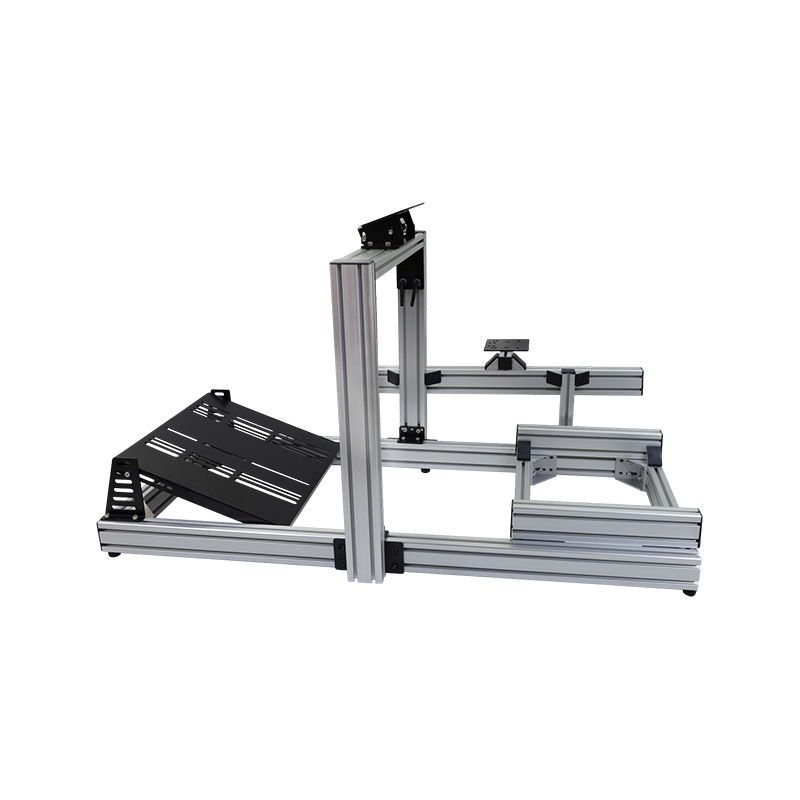
T-slot aluminum extrusion is the gold standard for serious sim racing cockpits. The material consists of hollow aluminum beams with internal bracing and external slots. Bolts slide into the slots, allowing infinite adjustability. A rig made from 40mm x 80mm or 40mm x 120mm profiles weighs 25–40kg fully assembled, but does not flex under direct drive wheels or load cell pedals. The material cuts to length with a standard saw. Assembly uses hex keys and basic hand tools. The downside: aluminum extrusion looks industrial. It belongs in a workshop, not a living room.
Carbon fiber (high-end only)
Premium racing simulator cockpits use carbon fiber for specific components—the steering column mount, the pedal plate, and the seat brackets. Full carbon fiber rigs exist, but cost thousands. Carbon fiber is stiffer than steel at one-third the weight. It also dampens vibration better than aluminum. The drawbacks: carbon fiber rigs have little adjustability. Once the factory drills holes, the rig fits one body type. Anyone taller or shorter cannot use it. Carbon fiber also cracks under point loads. A dropped tool can ruin a thousand-dollar component.
What Are the Different Types of Racing Simulator Cockpits?
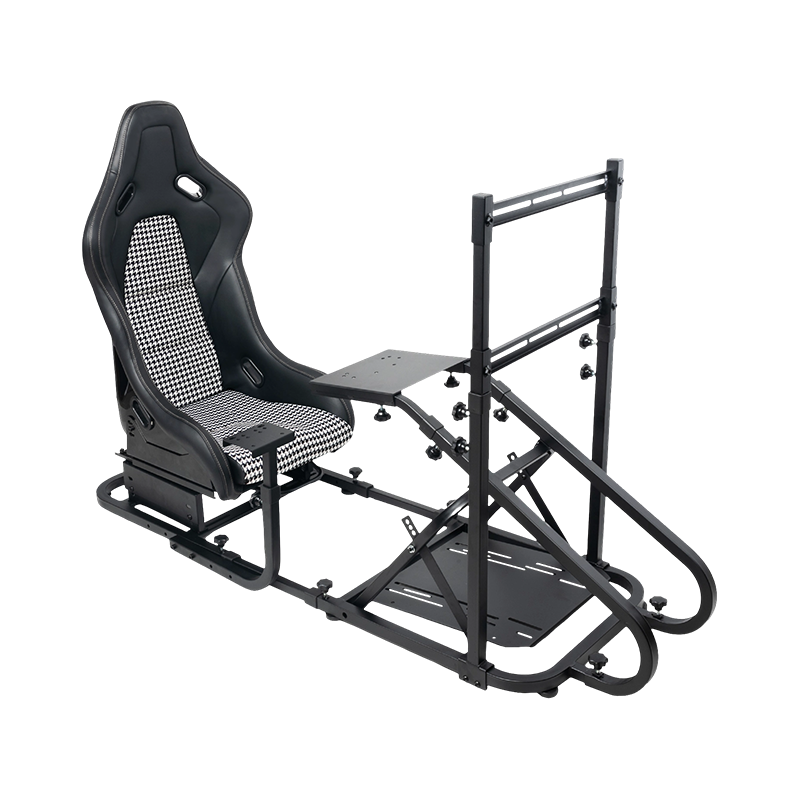
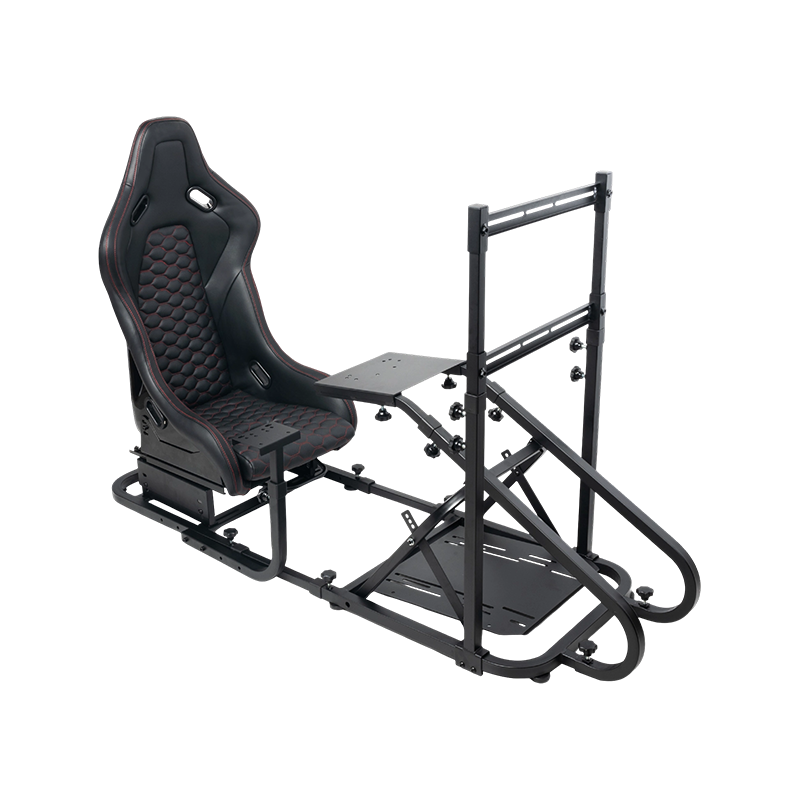
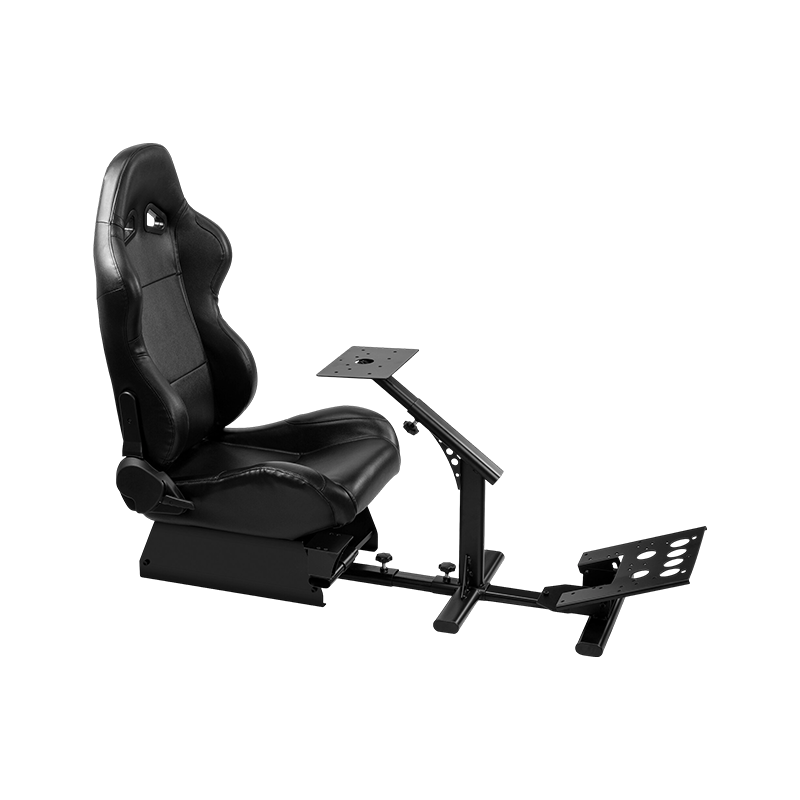
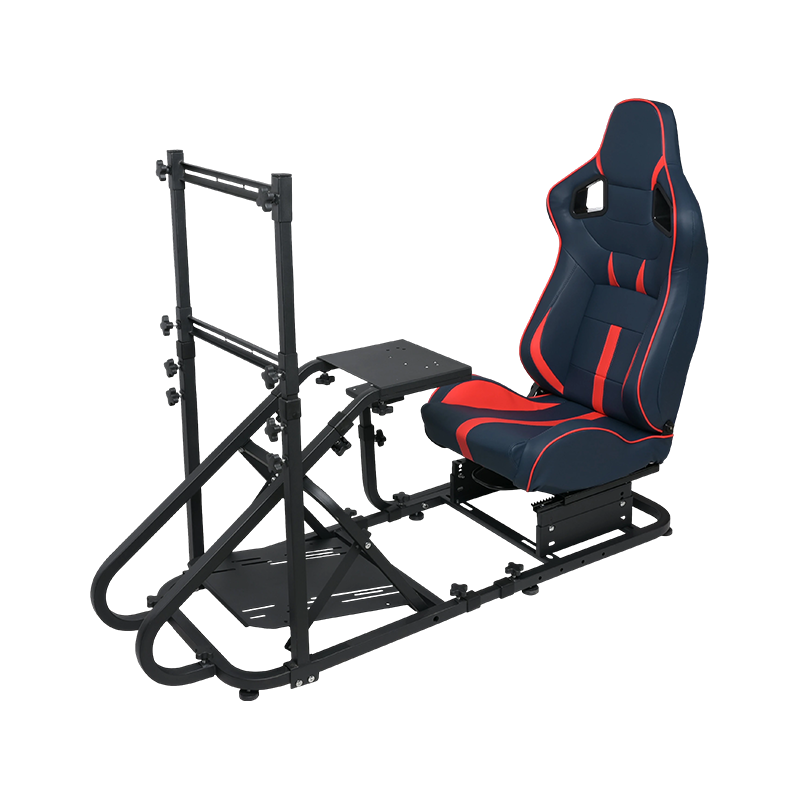
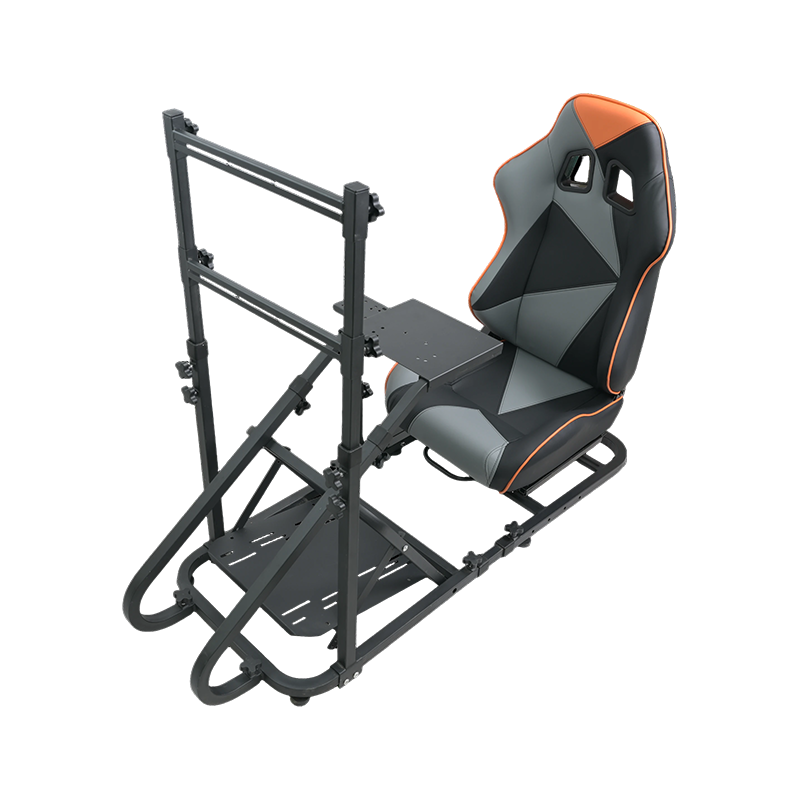
Racing simulator cockpits fall into categories based on configuration, adjustability, and intended use. The right type depends on the driver's space, budget, and how seriously they take sim racing.
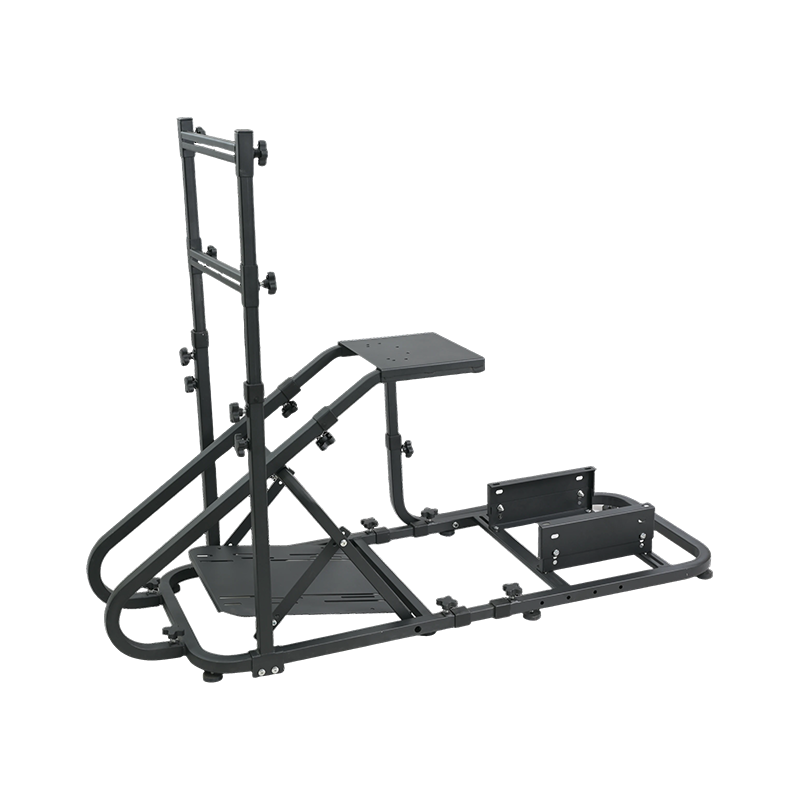
Frames without a seat (bring your own seat)
These sim racing cockpits consist of the frame, wheel deck, and pedal plate. The user supplies a seat from a real car, a junkyard find, or an aftermarket racing seat. Aluminum extrusion rigs are almost always sold this way. The advantage: the driver chooses a seat that fits their body. A real car seat adds sliders and a reclining function. A racing bucket seat holds the driver firmly during hard braking. The disadvantage: finding and mounting a seat takes time. Seat brackets are not universal. Some frames require specific adapters.
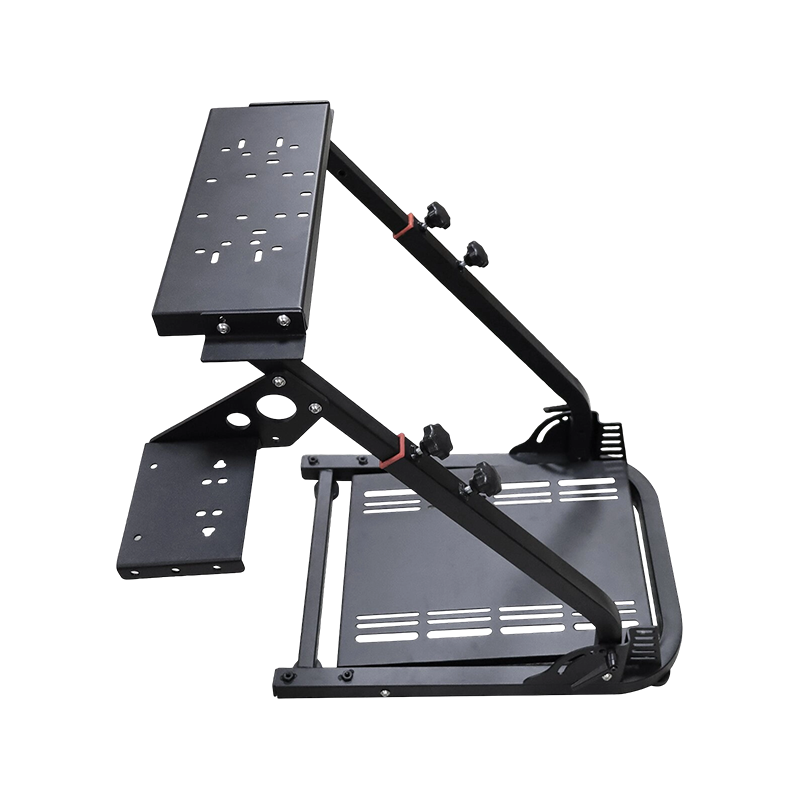
Folding and collapsible cockpits
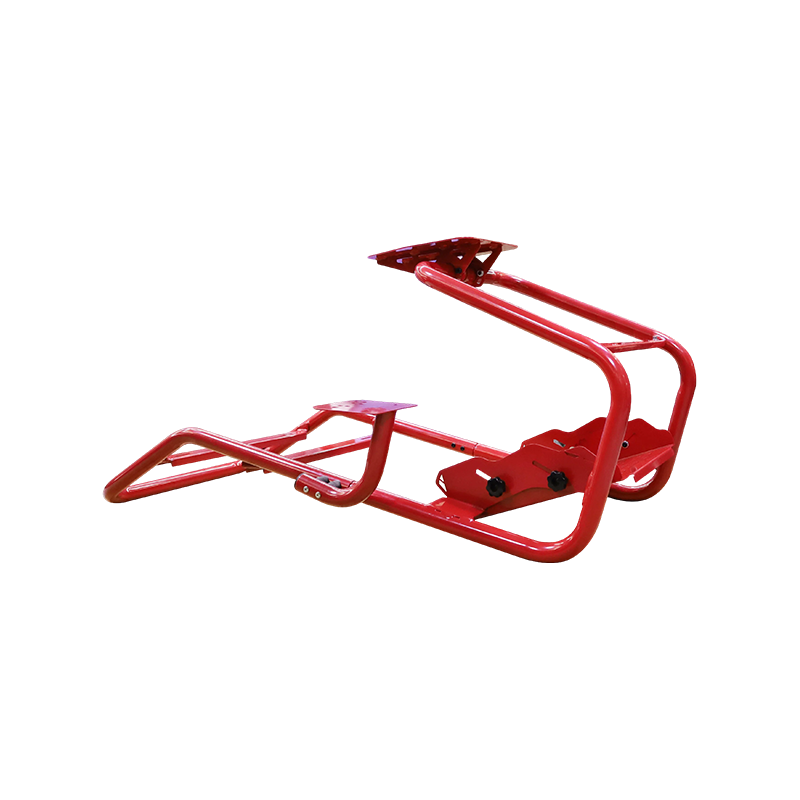
Drivers with limited space choose foldable sim racing cockpits. The wheel deck folds down. The pedal plate folds up. The entire rig stores against a wall or under a bed. The trade-off is rigidity. Folding rigs use hinges and locking mechanisms that introduce flex. Direct drive wheels cause the wheel deck to shake. Load cell pedals make the pedal plate lift. These types work well for gear-driven wheels and potentiometer pedals. For high-end equipment, folding cockpits frustrate more than they help.
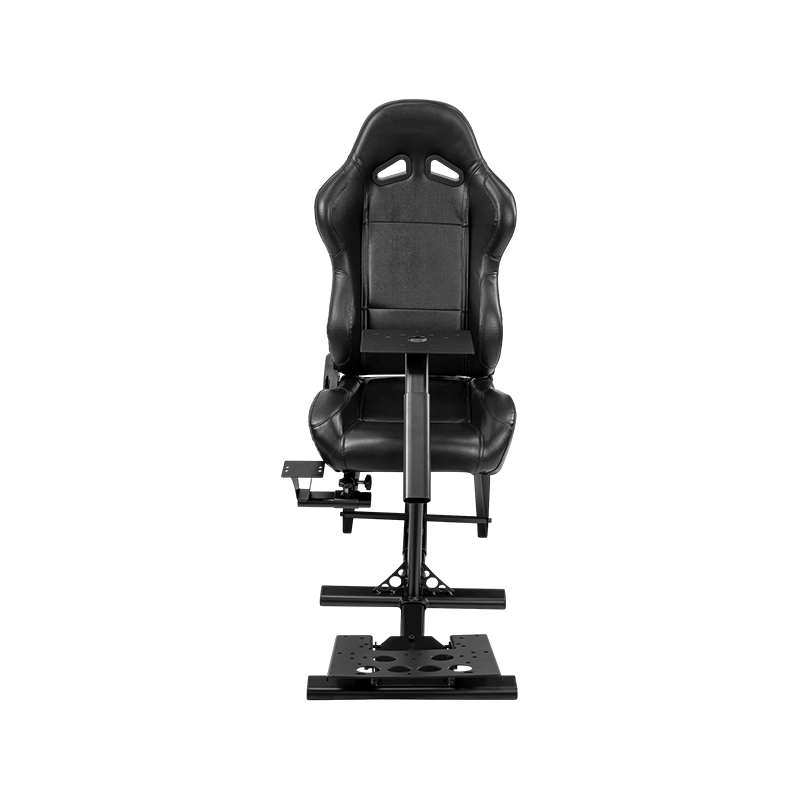
Wheel stand (half cockpit)
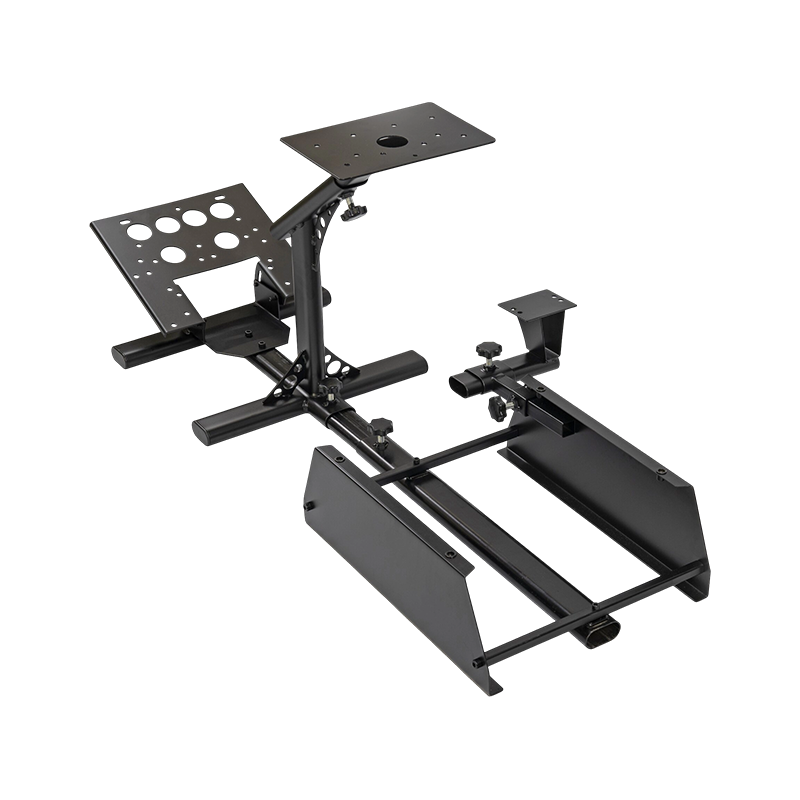
A wheel stand is not a full racing simulator cockpit. It holds the wheel and pedals but provides no seat. The user sits in an office chair or gaming chair. The front wheels of the chair sit in a tray to prevent rolling backward under braking. Wheel stands cost less than full cockpits and store more easily. The downsides: the office chair swivels and rocks. The driver fights the chair as much as the wheel. For casual sim racing, a wheel stand is acceptable. For consistent lap times, the chair movement becomes a problem.
Motion platform ready
These sim racing cockpits include reinforced mounting points for motion actuators. The frame uses thicker aluminum profiles or steel tubes. The pedal plate and wheel deck are gusseted to handle the forces from motion systems. A standard cockpit flexes when mounted to a motion platform. The actuators amplify any weakness. Motion-ready types cost 30–50% more than standard frames but save the cost of rebuilding later when the driver upgrades.
Comparison of racing simulator cockpit types
|
Type
|
Space needed
|
Setup time
|
Rigidity
|
Best for
|
|
Integrated with seat
|
Large (1.5m x 0.6m)
|
30–60 minutes
|
Medium to high
|
First-time buyers
|
|
Frame without seat
|
Large
|
1–3 hours (plus seat sourcing)
|
High
|
Enthusiasts with specific seat preferences
|
|
Folding/collapsible
|
Small (storage)
|
2–5 minutes setup
|
Low to medium
|
Apartment dwellers
|
|
Wheel stand
|
Small to medium
|
1–2 minutes
|
Low to medium
|
Casual racers using office chair
|
|
Motion-ready
|
Large
|
2–4 hours
|
Very high
|
Drivers planning to add motion
|

 English
 русский
 Español
 Português