From Raw Fabric to Finished Shell: Carbon Fiber Car Seat Custom Processing Procedure
What "Custom Processing" Means for Carbon Fiber
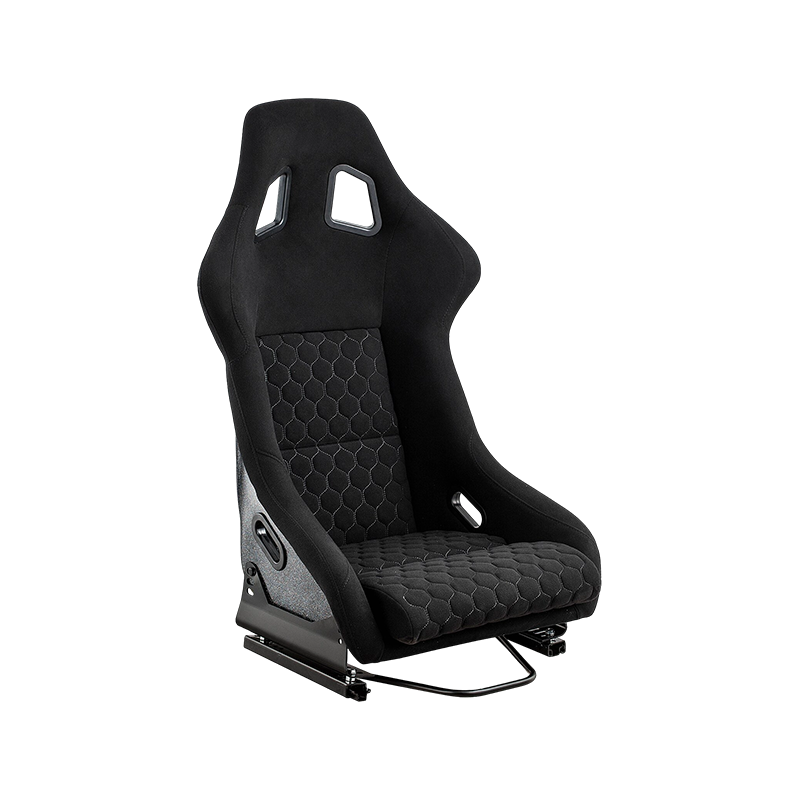
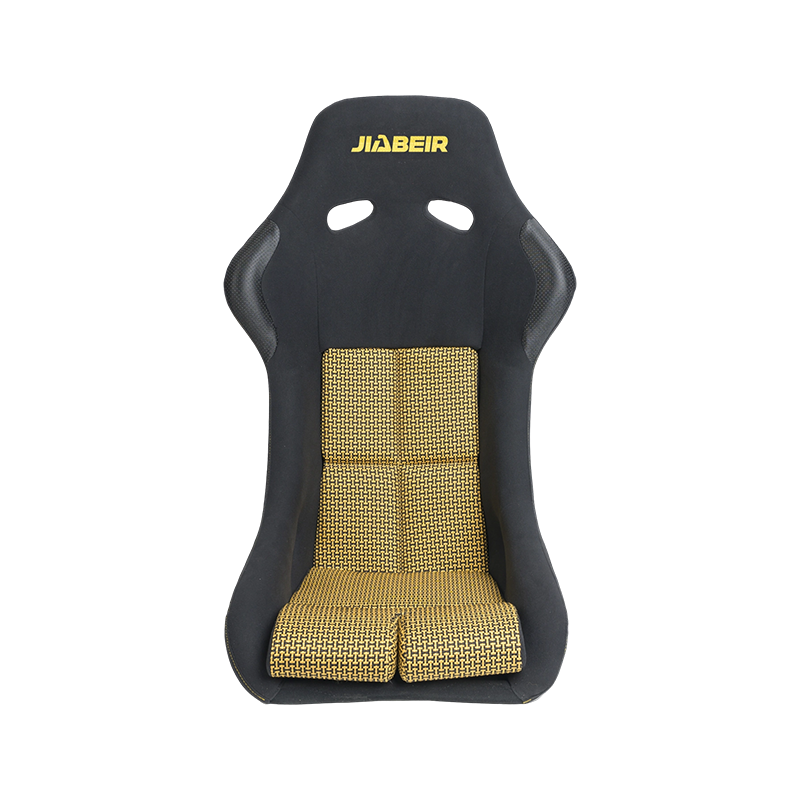
Carbon fiber car seat custom processing is not pulling a pre-made shell from a mold and trimming the edges. True custom work involves creating a seat shell to specific dimensional requirements—different hip width, shoulder width, back angle, or mounting configuration. The process follows a fixed sequence of steps, each affecting the final product's strength, weight, and fit.
The Seven-Step Process Flow
Step 1: Driver measurement and buck creation → A technician records hip width, shoulder width, torso length, thigh length, and desired back angle. These measurements guide the construction of a foam buck—a positive model of the driver's seated body shape.
Step 2: CAD modeling and mold design → The foam buck gets scanned into 3D software. The model adds 3-5mm of clearance for padding and upholstery. A CNC machine cuts a two-part aluminum or epoxy tooling mold from the CAD data.
Step 3: Release agent application → The mold receives multiple coats of semi-permanent release wax or liquid release agent. Skipping this step bonds the carbon permanently to the mold.
Step 4: Carbon fabric cutting and layup → Pre-preg carbon fiber (fabric pre-impregnated with resin) gets cut into patterns based on the mold geometry. Layers stack at alternating fiber orientations—typically 0°, 45°, and 90°—to achieve multidirectional strength. A custom seat uses 6 to 12 layers, depending on weight targets.
Step 5: Bagging and autoclave curing → The laid-up mold goes into a vacuum bag, which removes air and applies atmospheric pressure. The bagged assembly enters an autoclave (pressurized oven) at 120°C to 180°C for 2 to 4 hours. Heat and pressure cure the resin, fusing layers into a solid shell.
Step 6: Demolding and trimming → After cooling, the shell releases from the mold. A diamond-coated rotary tool trims flash (excess material) from the edges. Holes for mounting brackets and harness slots get drilled or routed.
Step 7: Finishing and inspection → The shell receives a clear coat or remains matte. Each seat gets weighed, measured against the original CAD, and inspected for voids or delamination using tap testing or ultrasonic scanning.
Custom Carbon vs. Standard Carbon vs. Fiberglass Process
|
Process Step
|
Custom Carbon Seat
|
Standard Carbon Seat (Off-the-Shelf)
|
Fiberglass Seat
|
|
Driver measurement required
|
Yes
|
No (fixed sizes)
|
No (fixed sizes)
|
|
Mold creation
|
New mold per custom geometry
|
Existing mold
|
Existing mold
|
|
Layup method
|
Hand layup pre-preg
|
Pre-preg or wet layup
|
Hand layup or spray-up
|
|
Curing method
|
Autoclave (pressurized heat)
|
Autoclave or oven
|
Air cure or oven
|
|
Lead time (first seat)
|
4-8 weeks
|
1-4 weeks (stocked or made to order)
|
1-3 weeks
|
|
Tooling cost amortized
|
Per order or one-time
|
Spread across the production run
|
Spread across the production run
|
Material Face-Off: How Does a Fiberglass Racing Seat Compare to Other Options?
Where Fiberglass Fits in the Material Hierarchy
Fiberglass racing seats sit in the middle of the performance-to-price curve. Below them sit steel tube frames with foam padding. Above them sit carbon fiber composites. Fiberglass uses glass fibers embedded in polyester, vinyl ester, or epoxy resin. The material has been used in racing seats since the 1960s because it balances cost, weight, and rigidity better than any alternative at its price point.
Fiberglass vs. Four Other Materials
Fiberglass vs. steel tube frame. A steel tube seat weighs 12-18 kg (26-40 lbs) and uses foam for shape retention. The frame flexes under lateral load. Fiberglass weighs 7-12 kg (15-26 lbs) and uses the shell itself for structural support. No foam required beyond surface padding. The fiberglass seat transfers less flex to the driver during cornering.
Fiberglass vs. carbon fiber. Carbon fiber weighs 3-6 kg (7-13 lbs) for a comparable shell. Stiffness per kilogram is roughly twice that of fiberglass. But carbon costs 800−2,500forastandardseat,comparedto800−2,500forastandardseat, compared to 300-600 for fiberglass. The fiberglass seat offers 70-80% of the performance at 25-30% of the price. For club racers and track day drivers, fiberglass hits the sweet spot. For professional drivers counting every gram, carbon remains the standard.
Fiberglass vs. Kevlar hybrid. Kevlar (aramid fiber) adds impact resistance without significant weight gain. Fiberglass-Kevlar hybrid seats cost 30-50% more than pure fiberglass but resist cracking from side impacts or chassis flex. The trade-off: Kevlar is difficult to cut and drill. Post-processing takes longer. Most drivers never need the added impact resistance because the seat mounts to a chassis that already provides structure. Hybrids suit rally cars and off-road applications where impacts are common.
A Club Racer Chooses Seat Material
A driver in a Spec E30 series needs a new seat. The car already has a roll cage and a six-point harness. Budget for the seat is $600. Options:
Steel tube: too heavy, flexes under cornering loads, no FIA certification (series requires it).
Thermoplastic: no FIA certification, concerns about long-term shape retention in a hot race car.
Fiberglass: FIA certified, weighs 8.5 kg, fits the driver's 36-inch waist in medium shell.
Carbon fiber: exceeds budget,weightsavingsof3kgnotworththeextra1,600): exceeds budget,weightsavingsof3kgnotworththeextra1,150 for this series.
What a Fiberglass Car Seat Is and Is Not
A fiberglass car seat uses glass-reinforced plastic (GRP) as its structural shell. The material consists of woven or chopped glass fibers embedded in a thermosetting resin—typically polyester, vinyl ester, or epoxy. The seat is not a single material but a composite. The fibers provide tensile strength. The resin transfers load between fibers and holds the shape. A fiberglass car seat is not as light as carbon, not as cheap as a steel tube, and not as impact-resistant as Kevlar. It is, however, the common choice for drivers who actually use their cars on track.
Weight varies with fiber content. A fiberglass seat's weight comes from the ratio of glass to resin. Ideal composite aims for 50-60% glass by weight. Budget seats often run 30-40% glass; more resin means heavier and more brittle. A well-made fiberglass seat with 55% glass content weighs 7-9 kg. A resin-heavy budget seat of the same shell design might weigh 11-13 kg and crack sooner. Manufacturers rarely publish glass content percentages. Shoppers rely on weight as a proxy: heavier fiberglass seats at the same price point likely contain excess resin.
Two Fiberglass Seats, Two Outcomes
Two drivers buy fiberglass seats at the same price point: $380. Driver A buys a seat from a brand known for vacuum-bagged epoxy construction. The seat weighs 8.2 kg and has 35mm of removable, variable-density foam with a velour cover. Driver B buys a seat from a brand focused on appearance. The seat weighs 11.4 kg and has 15mm of glued foam covered in stitched vinyl.
After one season of six track days, Driver A's seat shows minor compression in the thigh bolsters but remains comfortable for 30-minute sessions. Driver B's seat shows significant foam flattening on the left bolster (entry/exit wear). The vinyl cover has stretched and no longer fits tightly. The seat bottom feels like sitting on a wooden board covered by a thin towel. Driver B cannot replace the foam because it is glued directly to the shell. Driver B buys a new seat. Driver A keeps the original.

 English
 русский
 Español
 Português