Jun 05, 2026
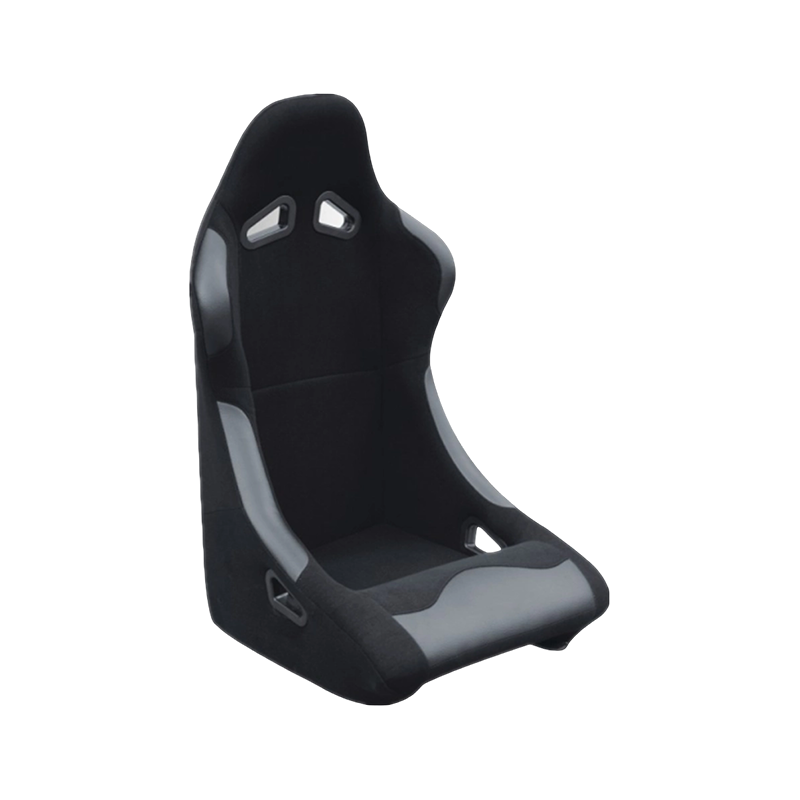
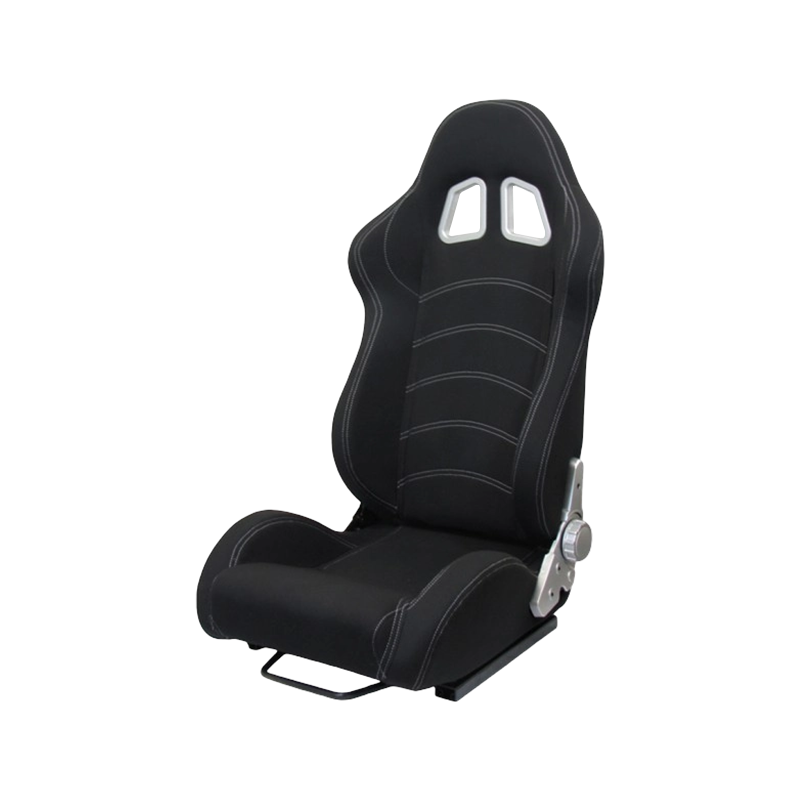
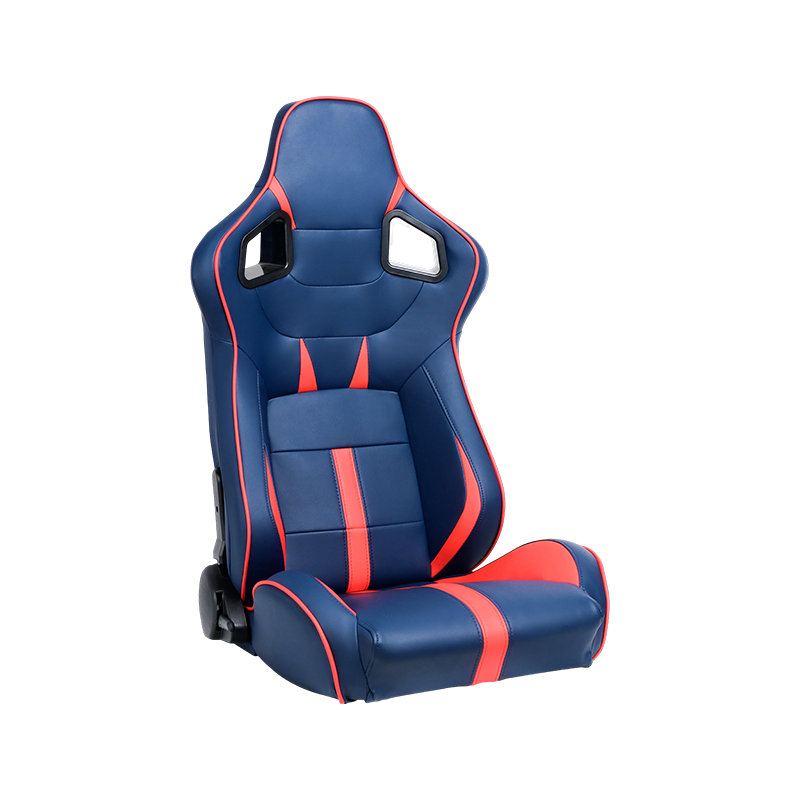
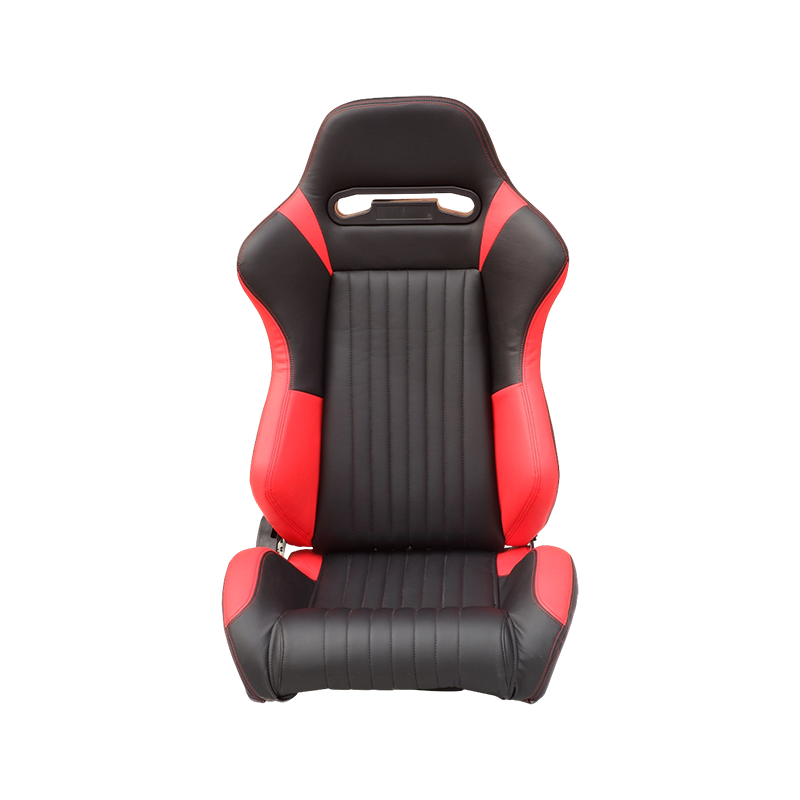
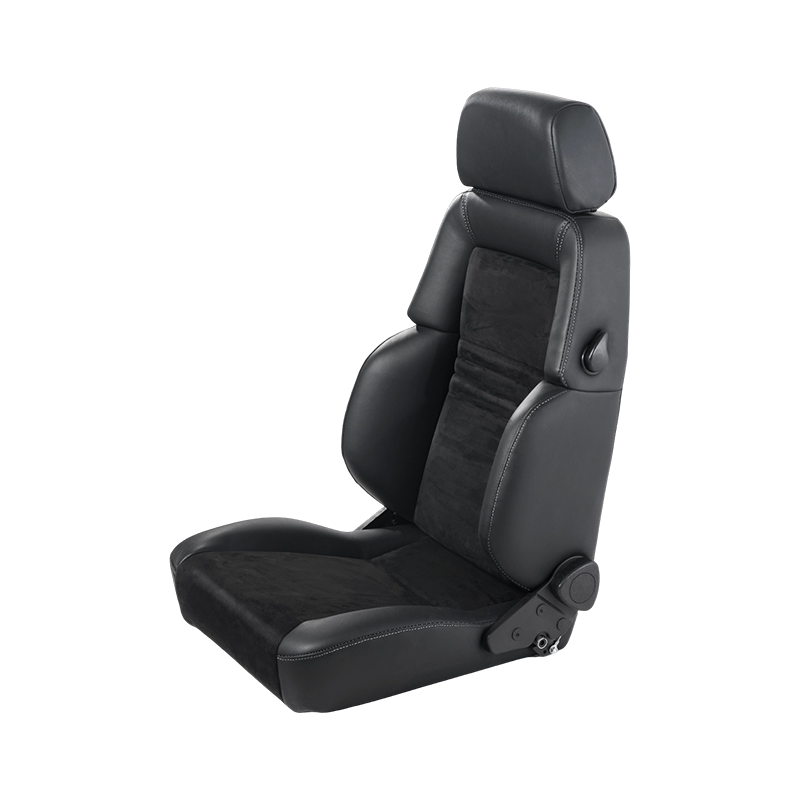
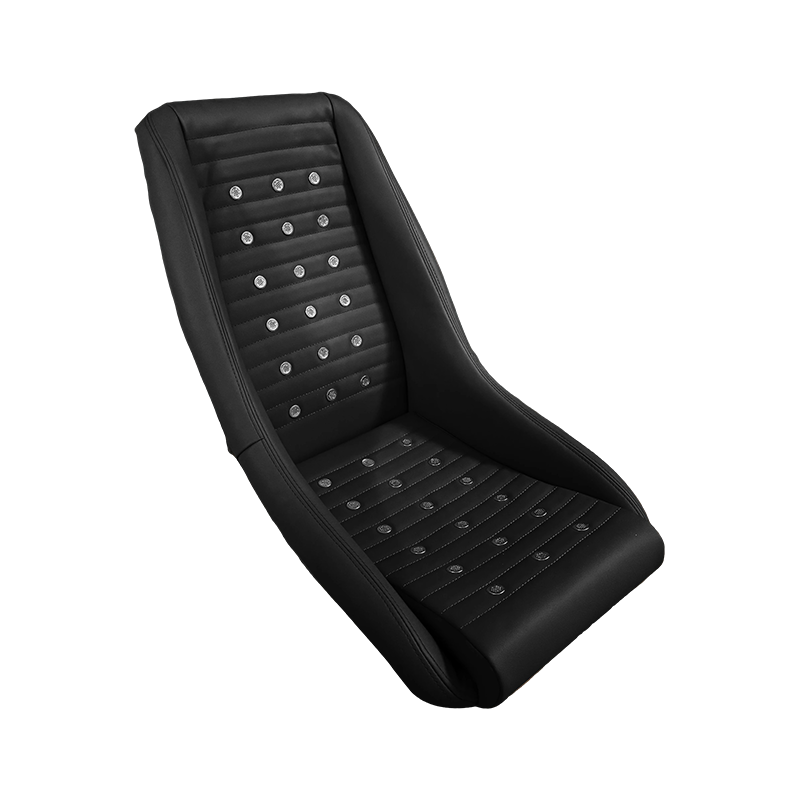
The discussion around ODM Sport Car Seats has shifted far beyond styling upgrades. Buyers are now questioning whether these seats truly match vehicle structure, crash behavior, and mounting geometry. The concern is not appearance but compatibility under real driving loads, especially during sudden deceleration or side impact scenarios.
OEM sport seating systems are designed together with the vehicle platform, meaning seat rails, buckle geometry, and restraint timing are engineered as a unified safety system. ODM sport seats, however, are typically produced as semi-universal or platform-adaptable components, which introduces variation in fitment and structural alignment.
This difference raises an important question: how close can an ODM sport seat get to vehicle-specific performance without full OEM integration?
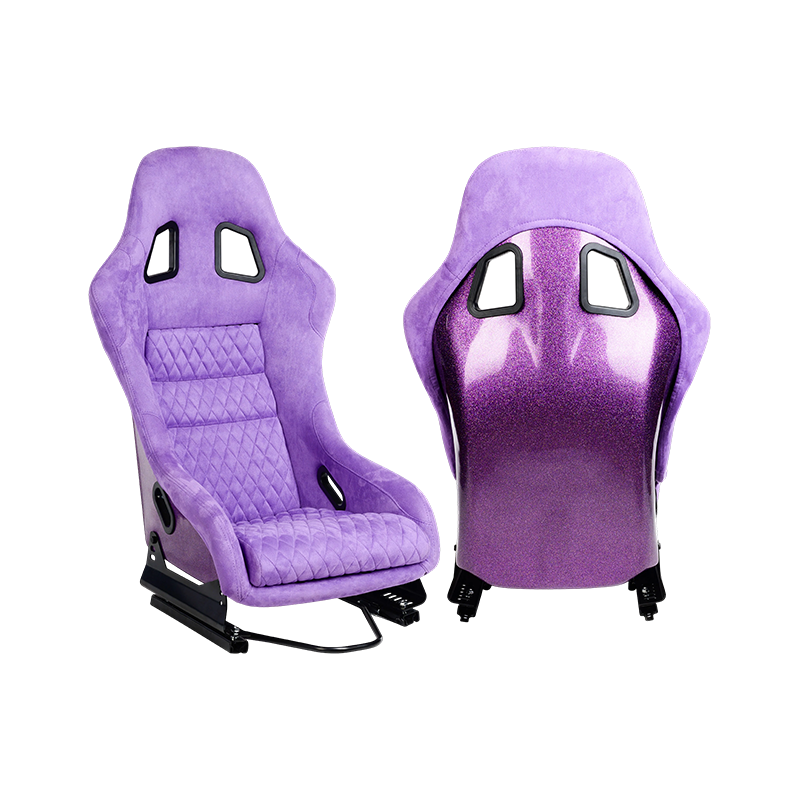
ODM sport seats often use a modular shell approach. This allows one seat frame to serve multiple vehicle platforms with bracket adjustments.
Typical technical features include:
By contrast, OEM sport seats are engineered around crash pulse calibration and airbag positioning. Seat deformation under load is controlled to specific thresholds, often tested under lateral loads reaching approximately 4g and frontal impact pulses exceeding 8g conditions derived from regulatory standards.
ODM designs rarely follow a single vehicle crash pulse profile, which creates variability in how force is distributed through the seat base and backrest during impact.
Debated topics among users are whether ODM sport seats truly match vehicle floor geometry.
Key compatibility factors include:
Even small deviations can affect driver posture. A 20 mm upward shift in seat height may alter steering wheel alignment and reduce shoulder belt efficiency during emergency braking.
Forum feedback and user installations frequently highlight that vehicles with flat factory rails (such as certain BMW and Subaru platforms) are easier to adapt, while vehicles with integrated seat frame structures require bracket modification or rail replacement.
ODM sport seats often operate outside the OEM airbag ecosystem. This is a critical distinction.
Factory sport seats are typically connected to:
Removing or replacing the OEM seat interrupts this communication chain. The vehicle may trigger warning indicators, and in many cases disables part of the Supplemental Restraint System (SRS).
Even if the ODM seat itself is structurally strong, it does not synchronize with electronic crash systems. This creates a separation between mechanical strength and system-level crash protection.
Performance seating is frequently evaluated based on how it behaves under sudden load transfer.
ODM sport seats generally rely on rigid shell construction, meaning energy is transferred rather than absorbed. This differs from OEM sport seats that incorporate controlled deformation zones within the seat frame.
Common ODM specifications:
A rigid shell improves lateral stability during aggressive cornering, but increases load concentration on the pelvis and spine under frontal deceleration.
Installation behavior varies widely depending on vehicle architecture.
Typical adaptation methods include:
Enthusiast installations often report that OEM seat rails from donor vehicles are reused to improve alignment precision. However, this introduces complexity because rail locking mechanisms are not standardized across manufacturers.
Another recurring challenge is harness bar alignment. Shoulder strap height must remain within a narrow range relative to the driver’s torso. Even a small mismatch can alter restraint efficiency during abrupt deceleration.
ODM sport seat quality varies significantly depending on manufacturing source.
Higher-grade versions typically include:
Lower-tier versions may reduce cost by:
Over time, repeated vibration exposure can cause micro-flex fatigue around mounting points, especially in vehicles frequently driven on uneven surfaces.
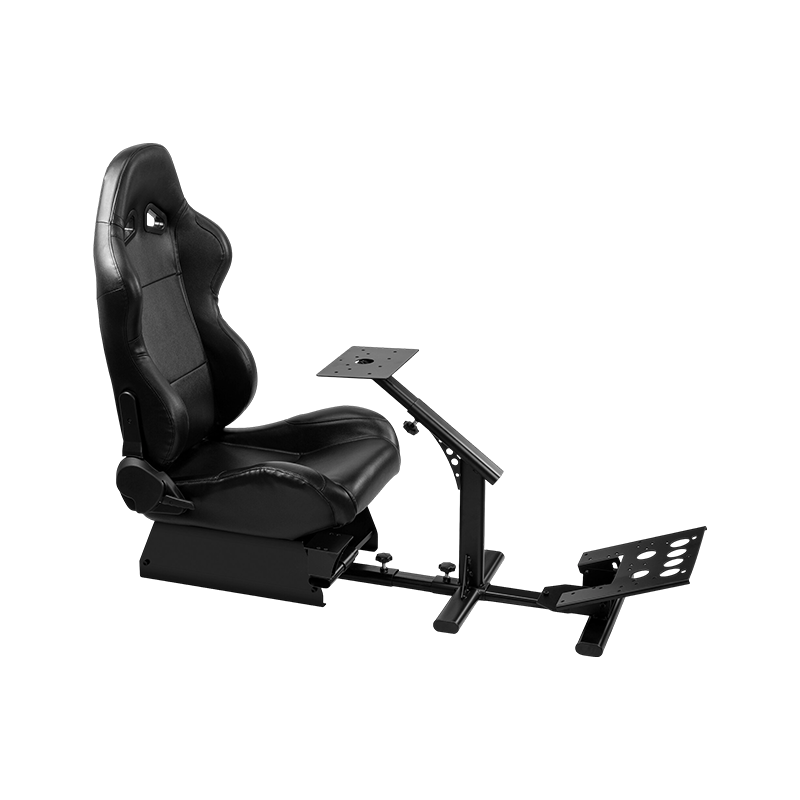
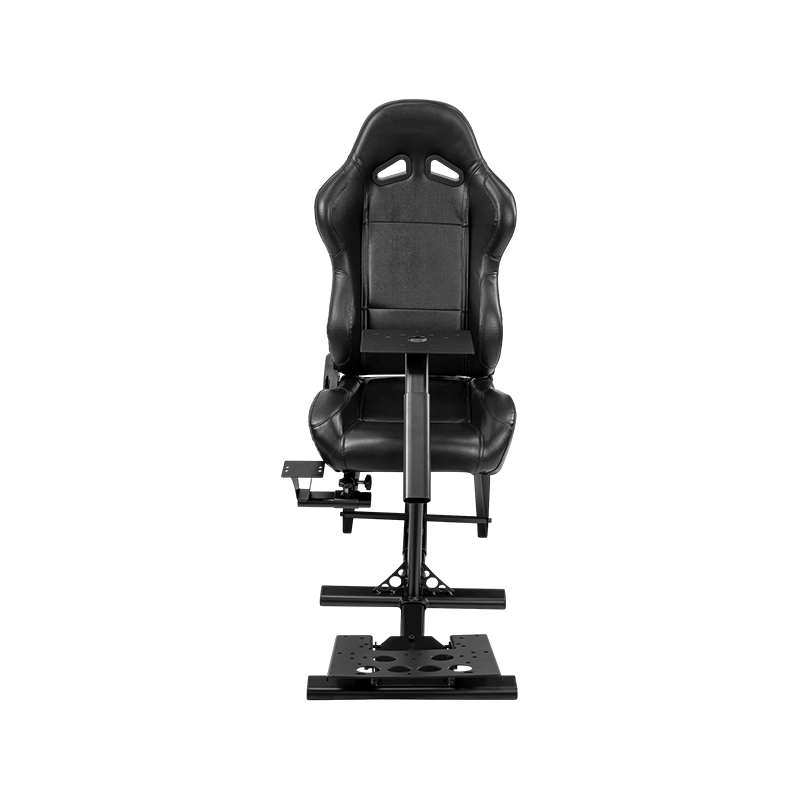
ODM sport seats are often used in three main environments:
Each use case introduces different priorities. Track environments value rigidity and harness control. Street use requires compatibility with airbags and comfort during extended driving. Sim rigs prioritize mounting simplicity and stability.
The same seat may perform differently depending on how it is integrated into the system around it.
Hot Products

If you are interested in our products, please consult us!
contact us
E-mail: [email protected]
Tel: +86-577 6681 1072+86-577 6556 8920
WeChat / WhatsApp: +86-139 5884 2868
Add: Jiangnan Avenue Economic Development Zone, Nanbin Street, Ruian, zhejiang, China.
Copyright © by Ruian JIABEIR Auto Parts Co., Ltd. Rights Reserved.
Car Seats Manufacturer & Custom Modified Car Seats


 English
 русский
 Español
 Português