Jun 12, 2026
Interest in Custom Modified Car Seats has grown alongside performance builds, interior restyling projects, and motorsport-inspired upgrades. The real concern behind these modifications is not appearance or comfort, but how far seat changes can influence crash behavior, restraint timing, and structural integrity during impact.
Modern vehicle seating is part of a tightly integrated safety system. Seat frames, belt anchors, airbag modules, and sensors are engineered together so crash loads travel through predictable paths. Once a seat is modified, that load path can shift in ways the original design never validated.
The key question becomes whether customization simply changes styling—or quietly alters how the vehicle protects occupants under harsh force.
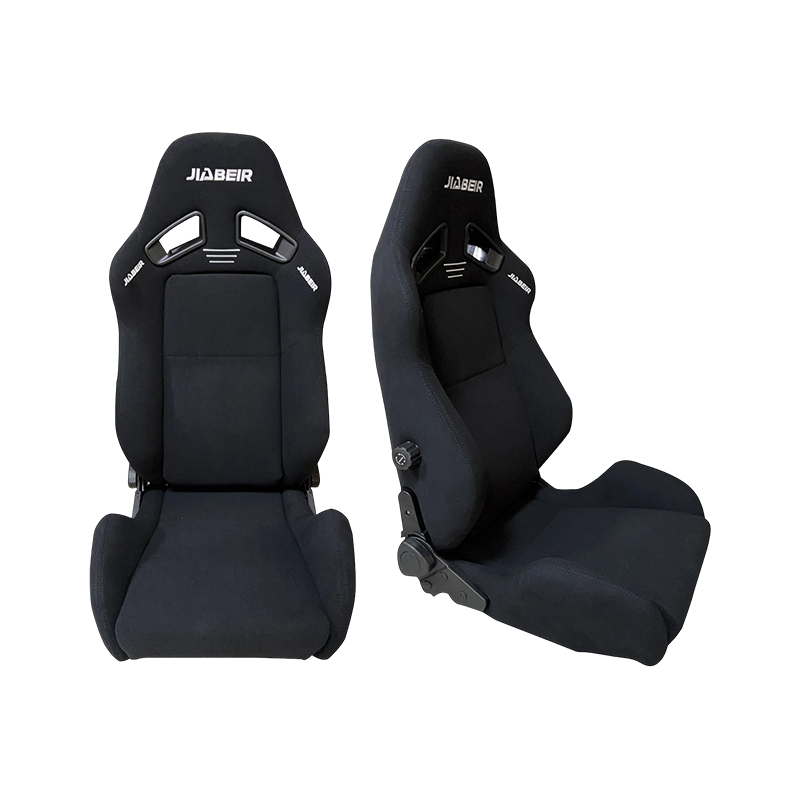
Every factory seat is anchored into reinforced floor points designed to handle specific crash loads. These anchors are tested under standardized conditions such as FMVSS 207 and 210 requirements for seat strength and belt anchorage.
Typical OEM seat system characteristics:
Custom modifications often replace or relocate parts of this system. Even small adjustments such as bracket spacers or aftermarket sliders may change how force is distributed. Research on modified seating systems shows that improper mounting can increase occupant acceleration and injury risk due to altered load paths during impact conditions.
The structural concern is not only strength loss but also unpredictability in how energy moves through the cabin.
The sensitive issues involve airbag integration. Many modern seats contain:
Custom modifications often require removal or bypassing of these components. Once disconnected, the vehicle may:
Regulatory discussions around seat modifications highlight that removing OEM seats can interrupt restraint systems that are calibrated specifically to seating position and geometry .
Even if a custom seat is mechanically strong, it does not automatically communicate with the vehicle’s safety electronics. That gap creates a mismatch between physical protection and electronic coordination.
Crash safety depends heavily on how the seat is attached—not just the seat itself.
Common custom installation methods include:
Each introduces different risk profiles:
Adapter rails:
Custom fabricated mounts:
Universal rails:
Technical analysis of modified seating systems indicates that poorly matched mounting geometry can significantly increase pelvic and spinal load during frontal impacts due to misaligned force channels.
The seat may remain physically attached yet still transmit crash energy in a non-optimized way.
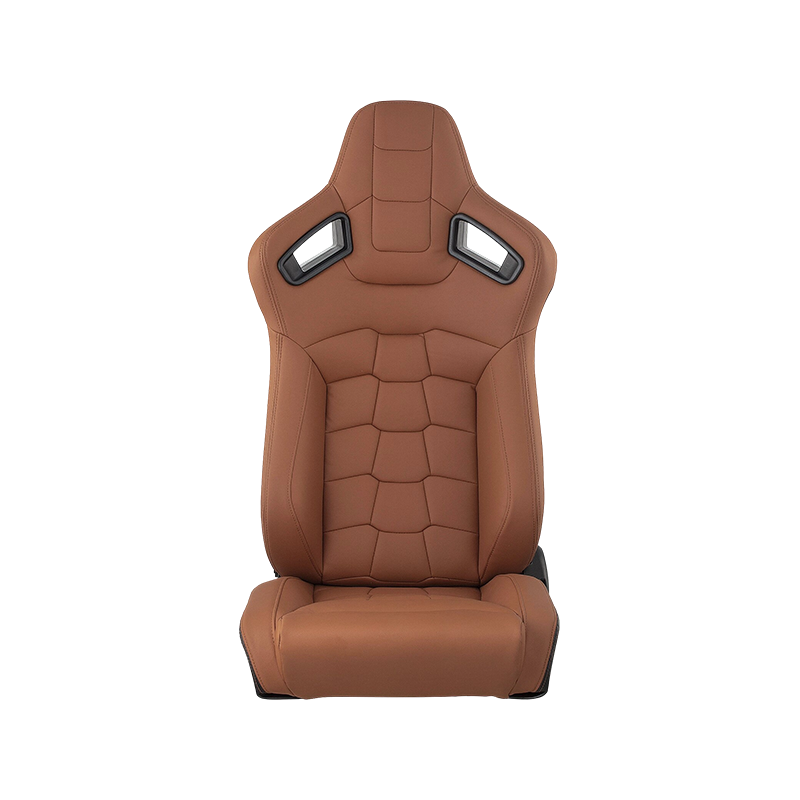
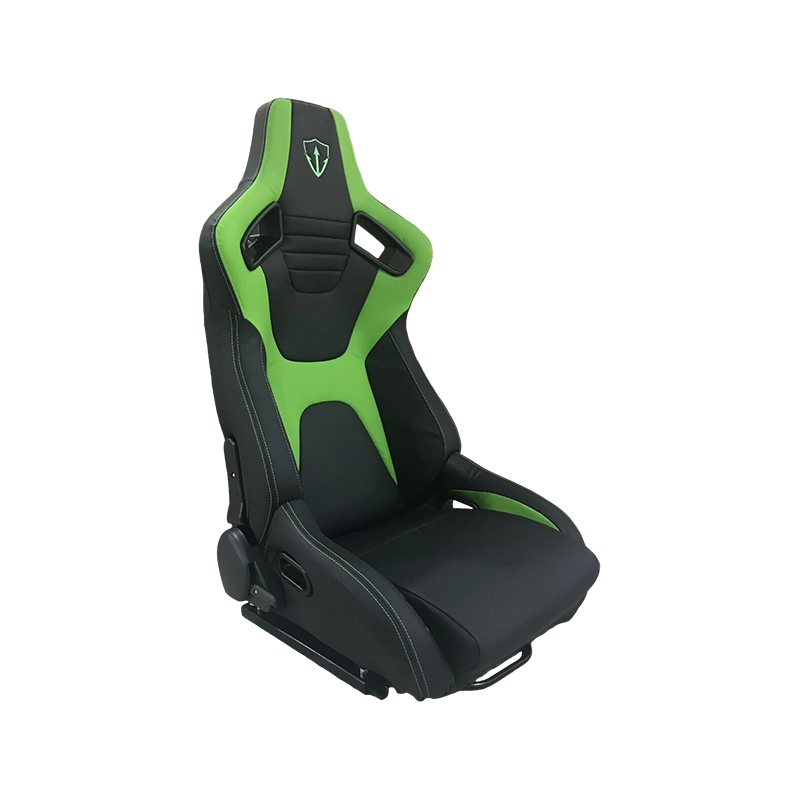
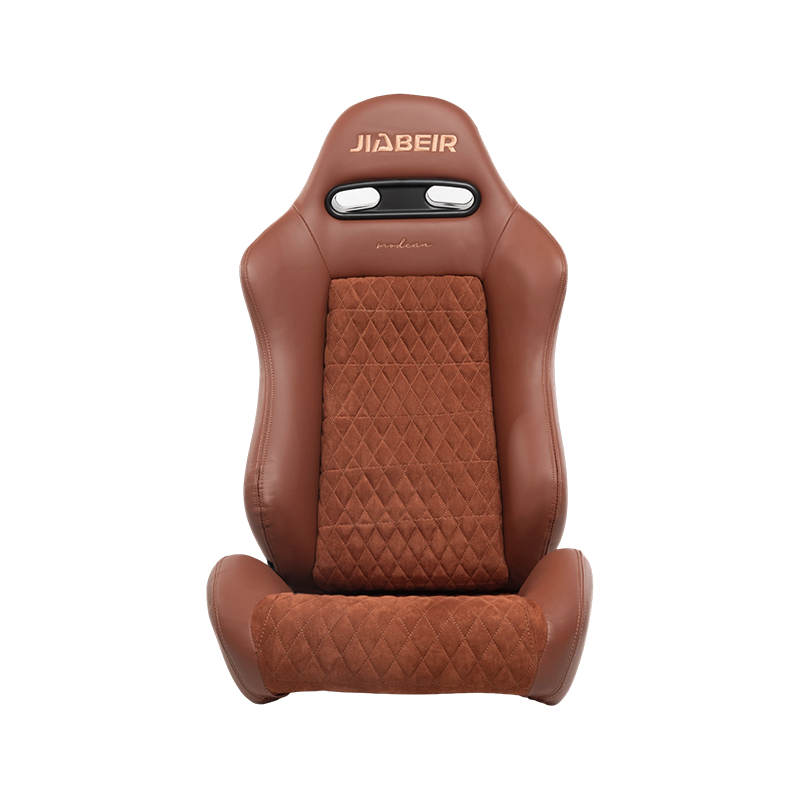
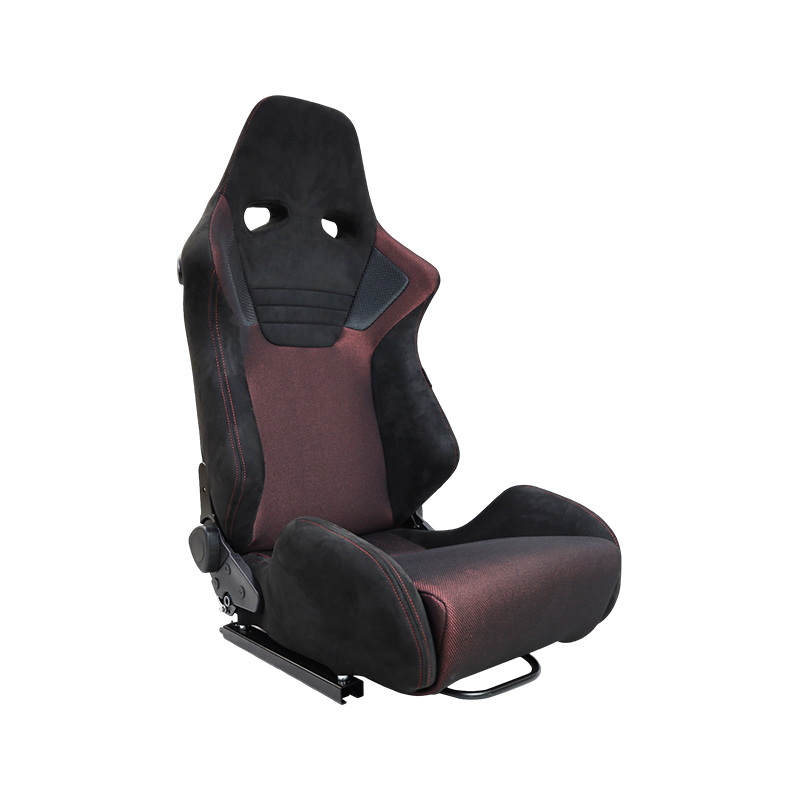
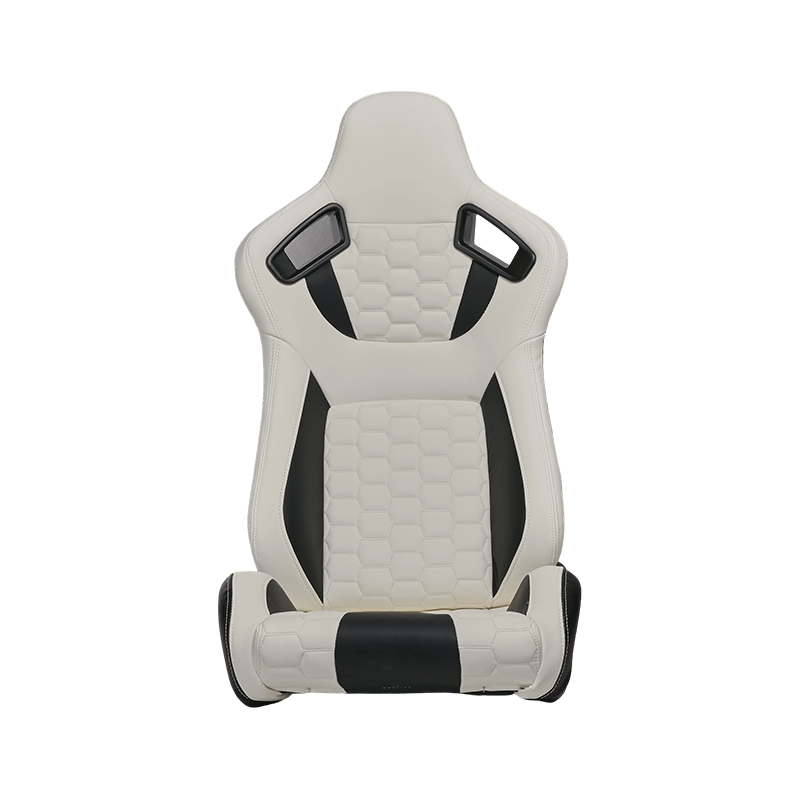
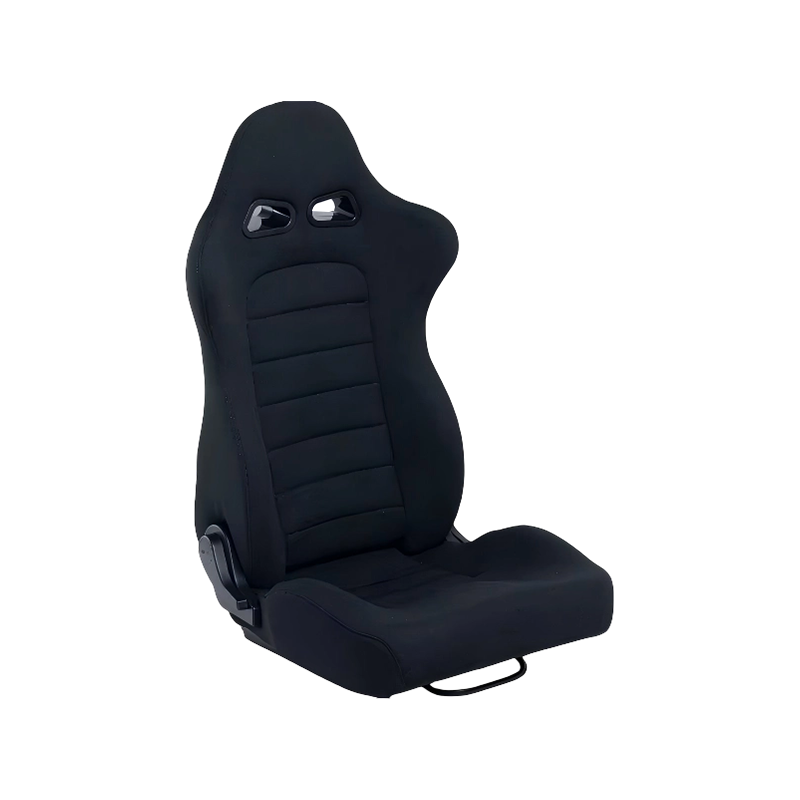
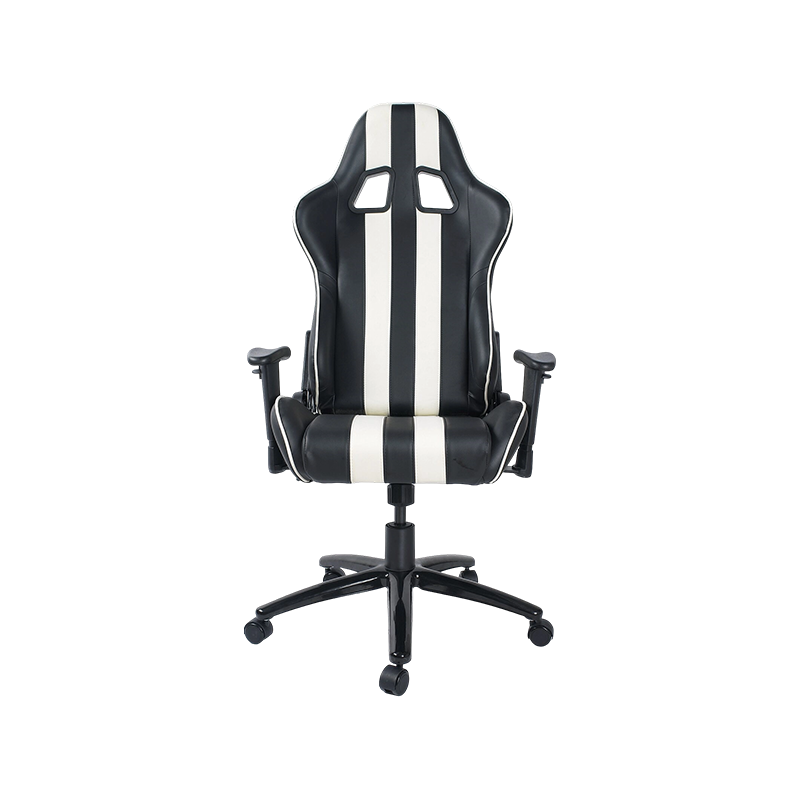
Custom seats range widely in material quality and construction design.
Typical configurations include:
OEM seats are engineered with controlled deformation zones that absorb and distribute energy. Modified seats, especially rigid bucket-style shells, often prioritize stiffness over controlled collapse.
This difference changes occupant interaction:
Even minor variations in foam layering can alter how impact forces are transferred to hips, spine, and shoulders.
Beyond mechanical issues, electrical compatibility is a frequent complication.
Custom seat installations may cause:
Modern vehicles rely on CAN-based communication between seat modules and central restraint controllers. Removing or modifying seats breaks this communication loop. Some installations attempt electronic bypass solutions, but these only simulate presence signals without restoring actual safety function.
This creates a scenario where the dashboard may appear normal while key crash systems remain partially inactive.
Crash compatibility is not just about surviving force—it is about controlled response.
OEM seat systems are designed so that:
Modified seats can change this balance:
Even small deviations in seating height or angle can shift how the body interacts with restraint systems during sudden deceleration events.
Custom seating is widely used in:
Each application carries different expectations. Track setups often accept reduced comfort for increased lateral stability. Street-driven builds must balance usability, compliance, and system integrity.
Community discussions around modified vehicles frequently highlight a recurring pattern: performance gains in handling are often achievable, while full preservation of factory-level crash integration is much harder to maintain once seating systems are altered.
Hot Products

If you are interested in our products, please consult us!
contact us
E-mail: [email protected]
Tel: +86-577 6681 1072+86-577 6556 8920
WeChat / WhatsApp: +86-139 5884 2868
Add: Jiangnan Avenue Economic Development Zone, Nanbin Street, Ruian, zhejiang, China.
Copyright © by Ruian JIABEIR Auto Parts Co., Ltd. Rights Reserved.
Car Seats Manufacturer & Custom Modified Car Seats


 English
 русский
 Español
 Português