Oct 16, 2026
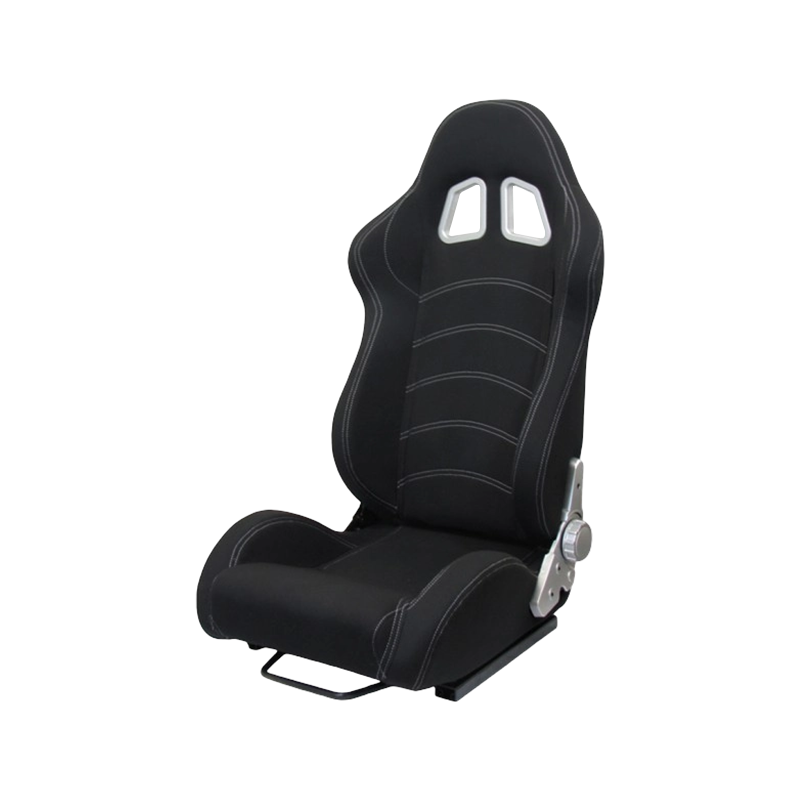
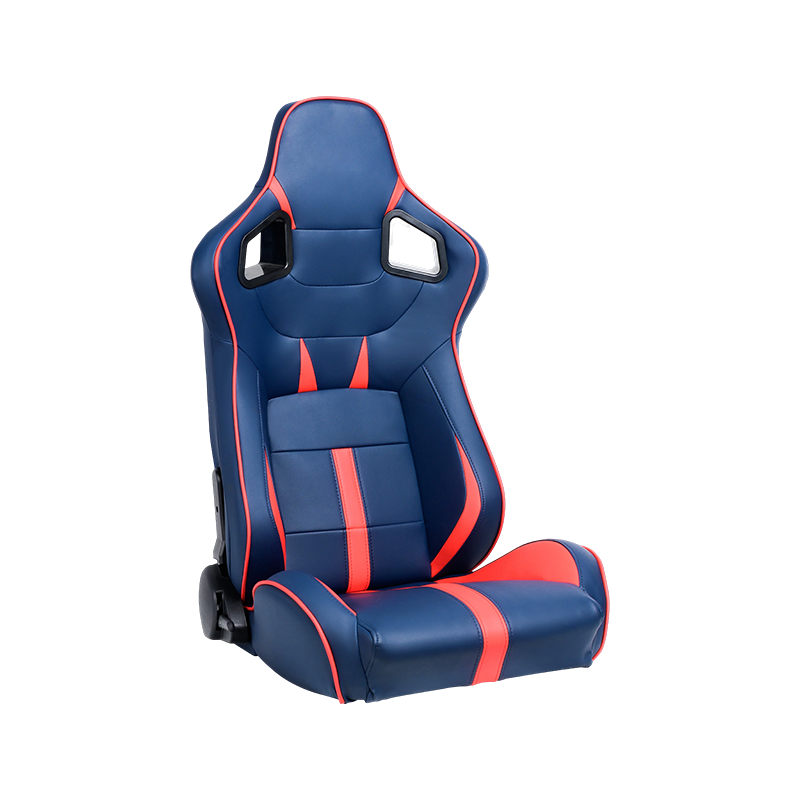
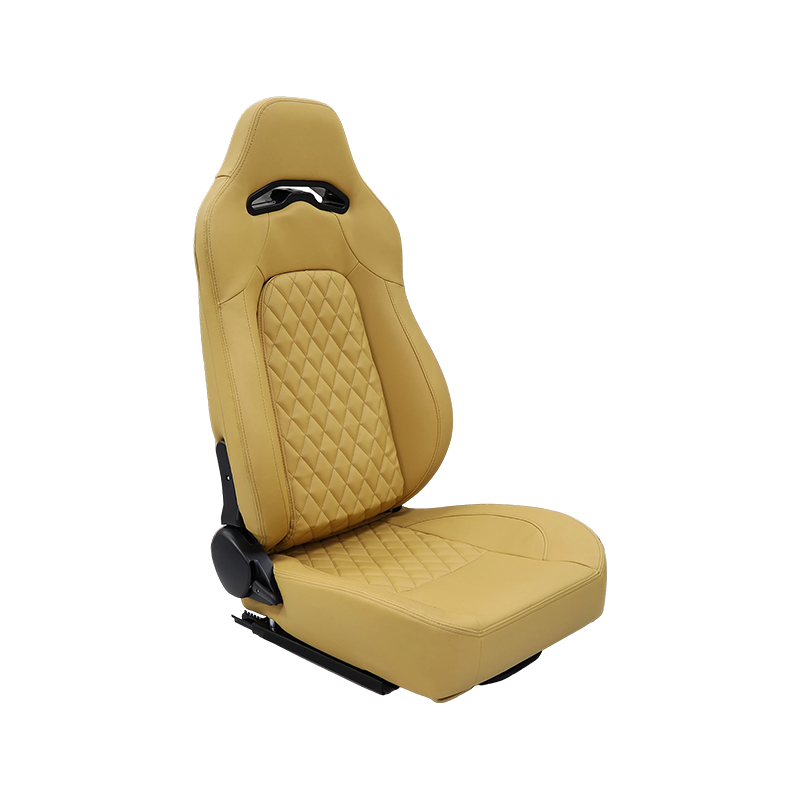
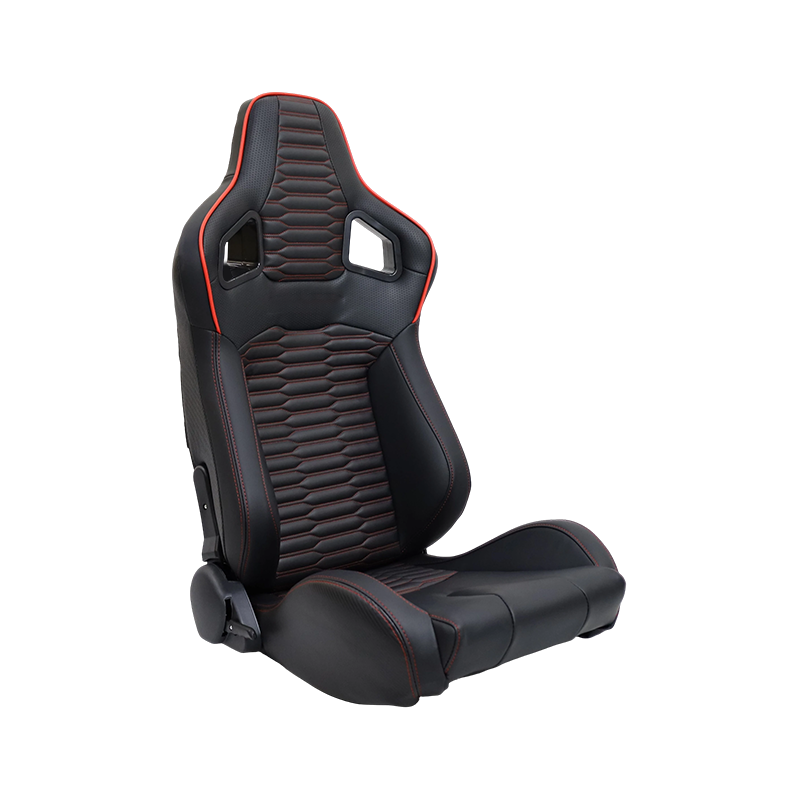
Custom car seats can change the appearance, support, and interior layout of a sports car. However, a seat that looks right in a catalog may not fit the vehicle's floor structure, mounting points, or electronic systems. These issues deserve attention before buyers confirm an order, particularly for distributors, automotive workshops, and OEM customers handling multiple vehicle applications.
At JIABEIR, we understand that fitment accuracy plays an important role in custom seat projects. Our approach is to clarify the intended application, dimensional requirements, and customization details before production begins. Buyers considering custom sports car seats should review the following risks to reduce compatibility problems and avoid unnecessary changes during installation.
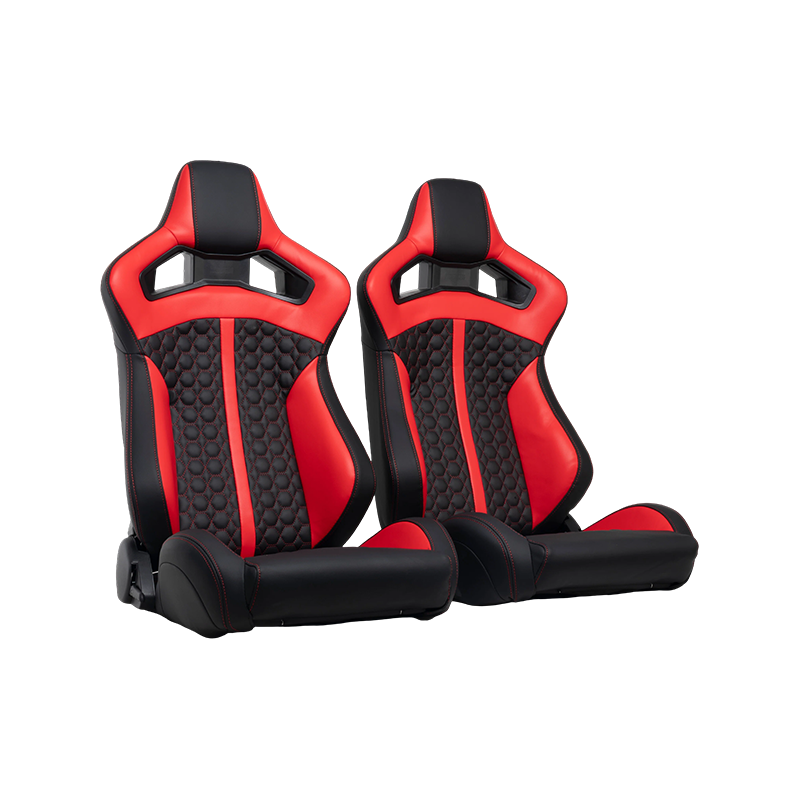
Seat mounting points vary across vehicle platforms, model years, and interior configurations. A seat may have suitable external dimensions but still fail to align with the original mounting brackets.
At JIABEIR, we recommend sharing dimensional drawings, reference photographs, and the intended vehicle application before confirming a custom configuration. Measurements should be verified rather than estimated from appearance alone.
Vehicles carrying the same model name may have different floor structures, seat rails, control systems, or interior dimensions across production years and trim levels. A bracket designed for one version may not fit another version without a documented compatible solution.
To reduce this risk, buyers should provide:
These details help our team evaluate the intended application and clarify which dimensions require additional verification before production.
Modern automotive seats may contain side airbags, occupancy sensors, seat-belt pretensioners, heating elements, ventilation systems, and powered adjustment mechanisms. Replacing an original seat can affect these systems, depending on the vehicle and the replacement design.
Before ordering, check the following:
Buyers should not assume that an aftermarket seat can retain every factory safety function. A warning light disappearing does not prove that an airbag or restraint system works correctly. Road-use regulations also vary by location, so the intended application must be established before purchasing replacement seats.
Mounting a seat successfully is only part of the fitment process. The installed position must also provide appropriate clearance and allow the driver to operate the vehicle comfortably.
| Potential Issue | What to Verify |
| Insufficient headroom | Measure the combined height of the seat, brackets, and sliders. |
| Restricted door clearance | Check the seat's outer bolsters against the door panel. |
| Limited steering access | Confirm the seat position allows comfortable steering wheel reach. |
| Pedal interference | Check legroom and the driver's ability to operate all pedals. |
| Restricted adjustment | Verify slider travel and backrest movement, where applicable. |
JIABEIR encourages buyers to assess the complete installation rather than evaluating the seat shell in isolation. Brackets, rails, and other accessories can change the final seating height and available adjustment range.
Custom projects may include different upholstery materials, colors, stitching patterns, logos, or seat shapes. Although these choices help align the product with a brand's requirements, structural and dimensional changes need separate consideration.
As a manufacturer, JIABEIR recommends confirming the approved sample and technical specifications before proceeding with a customized production order. This process helps align the finished product with the buyer's expectations.
Before confirming a custom seat project, buyers can use this checklist to organize the essential information:
Successful custom seat procurement depends on more than styling. Mounting dimensions, vehicle-specific differences, electronic integration, driving position, and material specifications all influence whether the finished product meets the intended application requirements.
At JIABEIR, we encourage distributors, automotive businesses, and OEM buyers to communicate their requirements clearly before placing an order. Share your vehicle information, dimensional drawings, reference images, and customization preferences with our team to discuss suitable product configurations.
Planning a custom sports seat project? Contact JIABEIR to discuss your application, review fitment requirements, and establish the specifications needed for your next order.
Hot Products

If you are interested in our products, please consult us!
contact us
E-mail: [email protected]
Tel: +86-577 6681 1072+86-577 6556 8920
WeChat / WhatsApp: +86-139 5884 2868
Add: Jiangnan Avenue Economic Development Zone, Nanbin Street, Ruian, zhejiang, China.
Copyright © by Ruian JIABEIR Auto Parts Co., Ltd. Rights Reserved.
Car Seats Manufacturer & Custom Modified Car Seats


 English
 русский
 Español
 Português