Jul 03, 2026
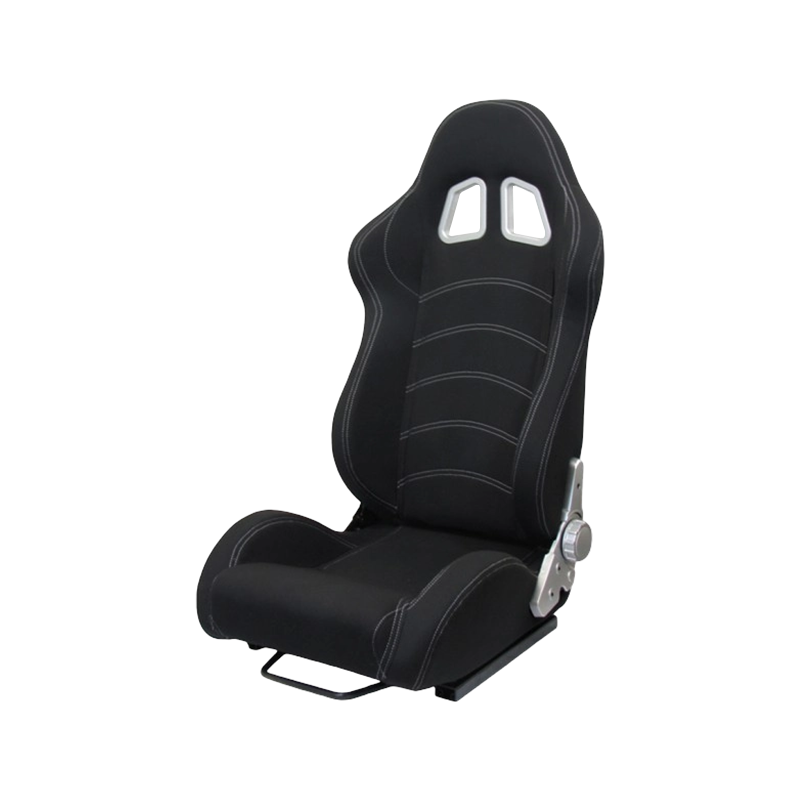
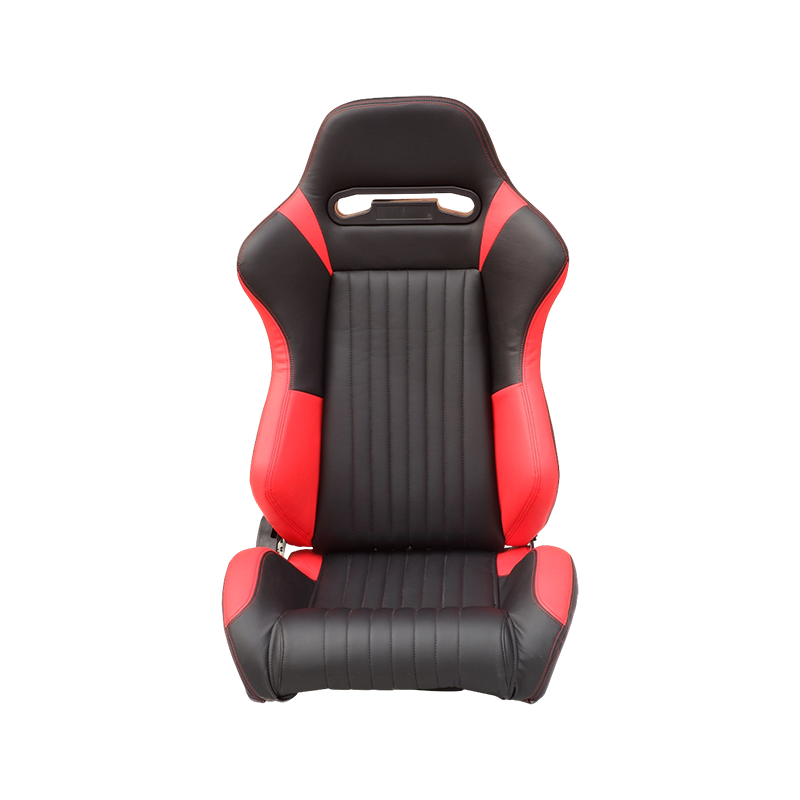
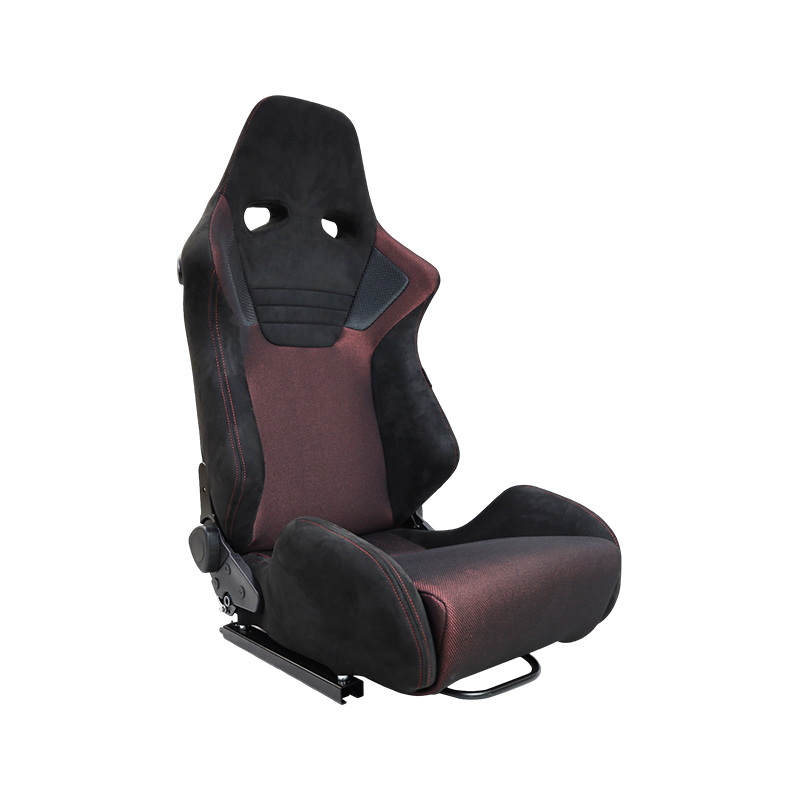
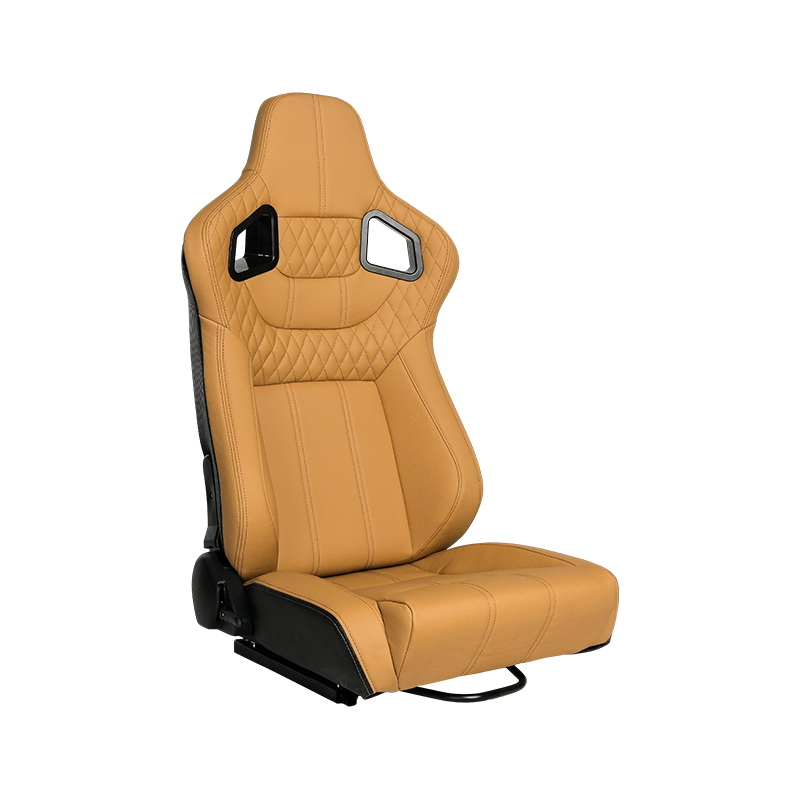
Wholesale bucket seats often appear interchangeable across vehicle platforms, yet real-world installation experience tells a different story. A seat may look standardized in catalog photos, but beneath the surface, chassis architecture, rail geometry, and load distribution rules create meaningful mismatches. These gaps are not always obvious at the purchase stage, which makes fitment a technical decision rather than a visual one.
The topic becomes more complex once bucket seats wholesale listings mix universal marketing language with partially standardized hardware. A single mounting pattern does not guarantee compatibility with every floor pan or safety structure.
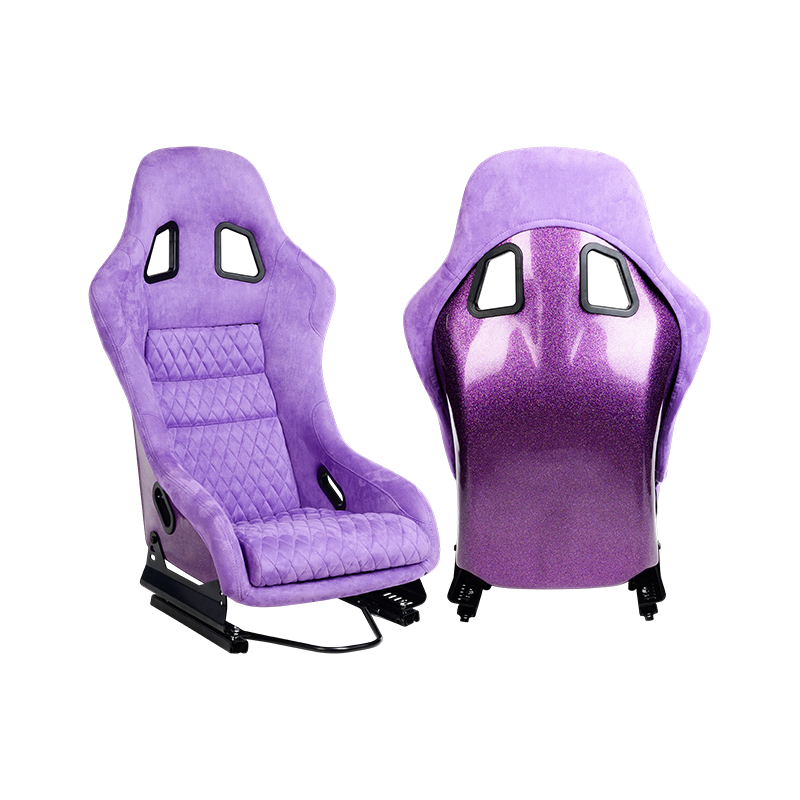
Vehicle manufacturers rarely align seat rail layouts across platforms. Even within the same brand, spacing varies significantly. Common aftermarket patterns include 270mm × 270mm or 300mm × 300mm bolt grids, but OEM floors may use asymmetric rails or integrated seat frames.
These differences mean wholesale seats are adaptable rather than universally compatible.
Even small deviations in mounting width—sometimes as little as 5–10mm—can create stress points. These stress zones may not be visible during static installation but become critical under braking or cornering load.
Industry observations from aftermarket fitting scenarios show that “close enough” alignment often leads to:
Carbon fiber bucket seats are valued for stiffness and reduced mass. However, chassis structures are not equally rigid. This mismatch creates stress transfer inconsistencies.
A rigid shell transfers vibration and load directly into mounting points rather than absorbing it through cushioning deformation. Over time, this can expose weak points in non-reinforced floor sections.
Fitment is not only about mounting holes. Cabin geometry introduces additional constraints such as steering clearance, roof height, and tunnel width.
| Measurement Area | Typical Range | Fitment Risk Factor |
| Seat base width | 350–420mm | High in compact cabins |
| Shoulder width | 500–600mm | Door contact risk |
| Hip support width | 320–380mm | Lateral restriction or looseness |
These values vary widely across models, making compatibility assessment essential before installation.
Custom modified car seats often attempt to bridge fitment gaps using spacer brackets, welded rails, or offset adapters. While this improves compatibility, it can also shift load paths away from engineered anchor points.
These trade-offs are often underestimated during wholesale sourcing decisions.
Seat geometry is designed around anthropometric averages, not individual variability. Waist width, shoulder span, and thigh angle all affect perceived fit.
A seat that appears compatible on paper may still produce:
Racing bucket seats prioritize lateral support over adjustability. This introduces tighter internal dimensions, which do not always align with street car interiors.
Typical racing seat internal hip width ranges from 340mm to 380mm, while shoulder width can reach 590mm or more depending on model profile. Narrow interiors amplify interference risk with door panels or center consoles.
Seat rake angle affects both comfort and visibility. A mismatch between factory mounting incline and aftermarket seat base can shift driver eye line outside ideal windshield reference points.
Even a 3–5 degree deviation can change:
| Seat Type | Fit Flexibility | Chassis Compatibility Range | Installation Complexity |
| Standard bucket seats | Medium | Wide but not universal | Moderate |
| Carbon fiber racing seats | Low–Medium | Limited without adapters | High |
| Custom modified seats | High (adjustable) | Depends on fabrication | Very high |
| Wholesale universal seat kits | Medium | Multi-platform but not all | Moderate–High |
Modern unibody platforms frequently include uneven floor stamping for reinforcement and wiring routing. This creates uneven seat base contact unless shimmed correctly.
Wider bucket seat shoulders can contact door panels during entry or exit. This is especially relevant in compact coupes and hatchbacks where cabin width is limited.
Raised center tunnels reduce available rail spacing and may force asymmetrical seat positioning, impacting driver alignment with the steering axis.
Wholesale bucket seats do not follow a universal chassis logic. Compatibility depends on a layered interaction between mounting geometry, cabin architecture, and seat shell design. The presence of adaptable hardware reduces installation barriers, yet does not eliminate dimensional constraints.
Understanding these fitment variables helps avoid the assumption that any seat labeled “universal” will integrate seamlessly across platforms. The real challenge lies not in purchasing the seat, but in aligning structural, ergonomic, and spatial conditions within the vehicle cabin.
Hot Products

If you are interested in our products, please consult us!
contact us
E-mail: [email protected]
Tel: +86-577 6681 1072+86-577 6556 8920
WeChat / WhatsApp: +86-139 5884 2868
Add: Jiangnan Avenue Economic Development Zone, Nanbin Street, Ruian, zhejiang, China.
Copyright © by Ruian JIABEIR Auto Parts Co., Ltd. Rights Reserved.
Car Seats Manufacturer & Custom Modified Car Seats


 English
 русский
 Español
 Português