Jun 26, 2026
The debate around ODM Harness Bar design usually starts with a simple assumption: a cross-bar should fit many coupe or sedan interiors with minor adjustment. Reality becomes more complicated once installation begins, especially when seat position, B-pillar spacing, and belt geometry differ between vehicle platforms.
A harness bar is not just a metal tube behind the seats. It acts as a shoulder belt anchor that must hold high load forces during sudden deceleration. Industry discussions and installation guides frequently note that these bars can experience several thousand pounds of force under crash conditions, meaning structural alignment and mounting accuracy are critical rather than optional.
This leads to a central question: does ODM universal fitment truly maintain correct geometry across different chassis layouts?
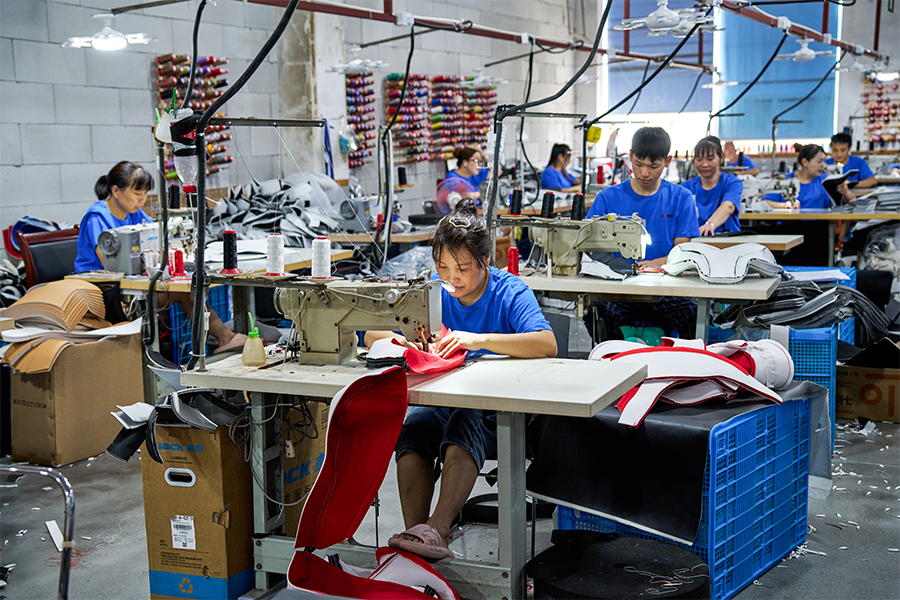
ODM harness bars are commonly designed with adjustable lateral arms and telescopic center sections. This allows adaptation across multiple vehicle widths.
Typical technical parameters include:
Despite this flexibility, interior geometry varies significantly:
Even small misalignment in shoulder strap angle can shift restraint efficiency. Motorsport safety recommendations often emphasize keeping harness angles within a controlled downward or near-horizontal range relative to the driver’s shoulders to avoid spinal compression or upward sliding during impact.
ODM harness bars are expected to handle harsh force transfer during abrupt deceleration. Unlike decorative crossbars, these components function as restraint anchors.
Typical load expectations:
Material selection plays a central role:
A key concern is that ODM systems may share universal brackets across multiple vehicles, which means load distribution efficiency can vary depending on bolt spacing and reinforcement geometry.
Universal harness bars often require iterative adjustment during installation. Unlike OEM-integrated systems, ODM versions depend heavily on manual alignment.
Common installation observations:
Forum feedback from performance car communities often highlights that “close fit” does not always equal correct geometry. Some installations require repeated loosening and re-tightening to achieve acceptable alignment, especially when aftermarket seats or sliders are involved.
A recurring issue is bar height mismatch. If the bar sits too high relative to the driver’s shoulders, harness straps may angle downward too steeply. If too low, upward force can develop during impact, increasing risk of spinal load concentration.
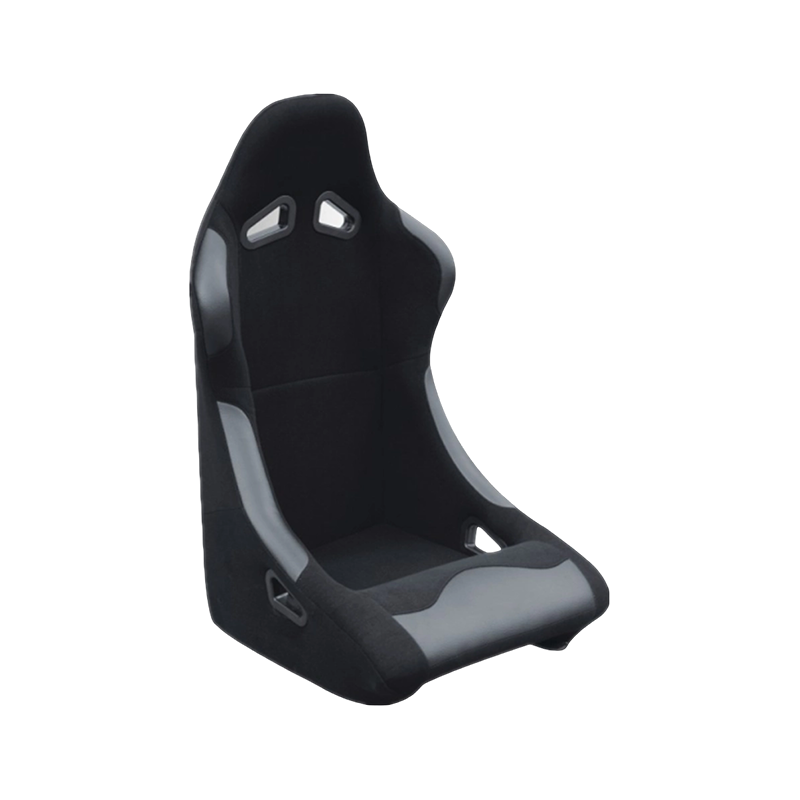
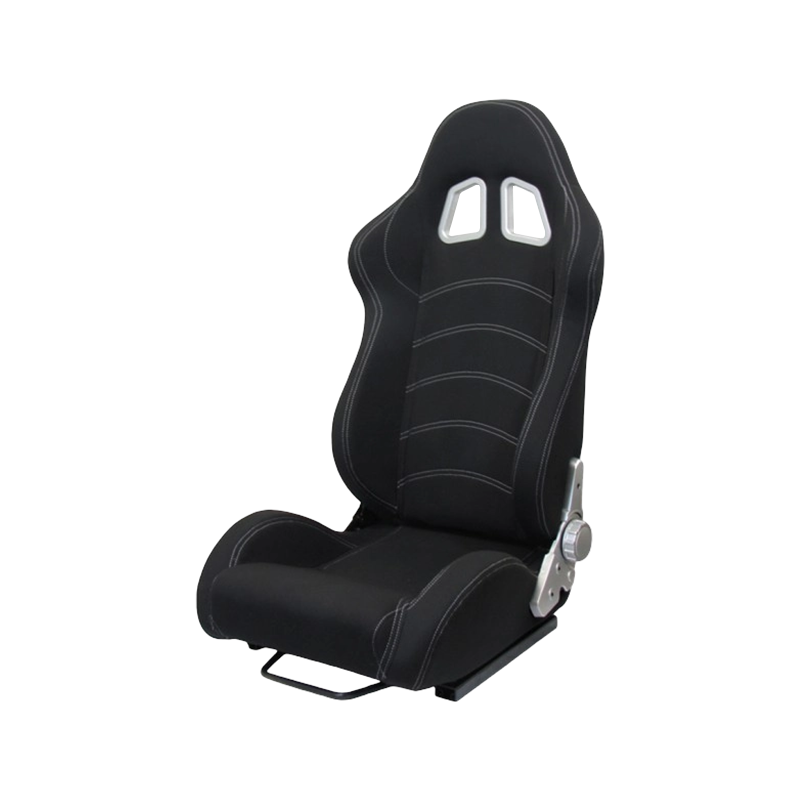
Harness bar effectiveness depends heavily on seat type and position. ODM systems assume a relatively standardized seating geometry, but real-world setups vary widely.
Key interaction points:
Even a small change in seat base height can alter harness angle significantly. This is why many track setups pair harness bars with fixed racing seats to maintain consistent restraint geometry.
Another overlooked factor is steering wheel alignment. Changing seat position to match harness bar geometry can affect reach distance, pedal control, and driving posture.
ODM harness bars range from budget universal kits to motorsport-grade steel assemblies. Differences are often found in:
Lower-cost versions may prioritize adjustability over rigidity, which can introduce micro-flex under repeated load. While not immediately visible, this flex can affect harness tension consistency during high-load scenarios.
Higher-grade units focus on minimizing deflection and maintaining fixed geometry once tightened.
A harness bar should not be viewed as an isolated safety upgrade. It operates within a broader restraint system that includes seat structure, belt routing, and occupant position.
Key limitations:
Community discussions often emphasize that improper installation can create a false sense of security. If mounting points shift under load or geometry is incorrect, harness systems can behave unpredictably during collision events.
ODM harness bars are commonly used in:
Track environments typically accept stricter installation standards, including fixed seat positions and professionally aligned harness geometry. Street-driven vehicles require a balance between usability and consistent restraint positioning, which is more difficult to maintain under universal-fit designs.
Hot Products

If you are interested in our products, please consult us!
contact us
E-mail: [email protected]
Tel: +86-577 6681 1072+86-577 6556 8920
WeChat / WhatsApp: +86-139 5884 2868
Add: Jiangnan Avenue Economic Development Zone, Nanbin Street, Ruian, zhejiang, China.
Copyright © by Ruian JIABEIR Auto Parts Co., Ltd. Rights Reserved.
Car Seats Manufacturer & Custom Modified Car Seats


 English
 русский
 Español
 Português