Oct 30, 2026
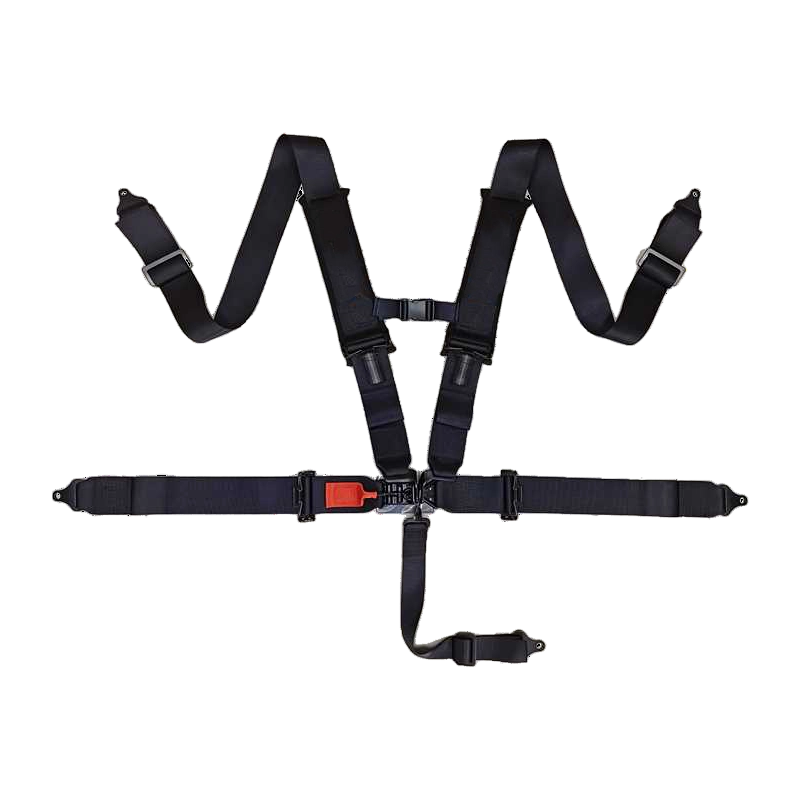
Adding a harness bar to a track car requires more than checking whether the bar fits behind the front seats. Its mounting structure, dimensions, and position must work with the seat and racing harness. An incompatible design may require additional fabrication or prevent the belts from following the installation requirements specified by the harness manufacturer and racing organization.
At JIABEIR, we understand that buyers need clear product specifications before committing to automotive equipment purchases. Track car owners, racing workshops, distributors, and OEM buyers should evaluate several fitment factors before ordering a racing harness bar. The following guide outlines the key checks that help buyers assess product compatibility and prepare for installation.
Harness bars are designed for particular mounting arrangements and vehicle applications. A bar that fits one model may not suit another because of differences in cabin width, seat layout, chassis structure, and mounting locations.
At JIABEIR, we recommend confirming the intended application and reviewing dimensional drawings before an order is finalized. Buyers should not assume that a universal-fit description guarantees compatibility with every vehicle.
A harness bar may be exposed to substantial forces during a collision. Its attachment points and supporting structure must therefore be suitable for the intended restraint system and vehicle application.
Before purchasing, buyers should verify:
Important: A decorative crossbar or ordinary strut brace should not be treated as a harness mounting structure unless it has been specifically designed and approved for that purpose. Avoid attaching restraint equipment to unsupported sheet metal or improvised brackets. A qualified motorsport fabricator should review uncertain installations.
The relationship between the harness bar, seat, and driver determines the shoulder belt routing. A bar positioned too high or too low can create an unsuitable belt angle, even if the component fits the vehicle physically.
Harness angle requirements vary with the harness design, seat arrangement, head-and-neck restraint, and governing rules. Buyers should not rely on a single universal angle. The installation should be checked with the driver seated in the actual driving position before the mounting arrangement is finalized.
Correct vehicle fitment also depends on the bar's physical dimensions. Insufficient clearance may interfere with seat movement, interior trim, or access to adjustment controls.
| Specification | What Buyers Should Verify |
| Overall width | Compatibility with the cabin and designated mounting locations. |
| Tube dimensions | Compliance with the applicable design and motorsport requirements. |
| Mounting hole spacing | Alignment with the specified brackets and vehicle attachment points. |
| Seat clearance | Space for backrest adjustment, seat travel, and belt routing. |
| Material and finish | Specified material, corrosion protection, and intended application. |
| Installation hardware | Required fasteners, attachment method, and manufacturer instructions. |
Requesting a dimensional drawing before purchase allows workshops and distributors to compare the product against the vehicle layout. Exact measurements and hardware requirements should be confirmed for the specific model rather than estimated from photographs.
A harness bar that physically fits a car is not automatically permitted for every racing event or road-use application. Different motorsport organizations may specify requirements for restraint systems, mounting structures, seat compatibility, and vehicle modifications.
Track-day requirements and sanctioned competition rules may differ. Buyers should confirm the intended use before ordering and avoid assuming that a harness bar alone provides the protection or compliance associated with a complete roll cage.
At JIABEIR, we encourage buyers to communicate their application and technical requirements clearly during the procurement process. This is particularly useful for automotive distributors, racing workshops, and OEM customers managing different vehicle configurations.
Before requesting a quotation, prepare the following information:
Providing these details helps clarify the proposed configuration and identify questions that require technical review before production or installation.
Choosing a harness bar involves more than matching its width to the vehicle. Mounting strength, shoulder belt geometry, seat clearance, hardware compatibility, and competition requirements all influence whether a proposed installation is suitable for its intended use.
At JIABEIR, we encourage customers to confirm technical specifications and vehicle compatibility before finalizing an order. Contact our team with your application details, dimensional requirements, and customization needs to discuss suitable product options for your project.
Hot Products

If you are interested in our products, please consult us!
contact us
E-mail: [email protected]
Tel: +86-577 6681 1072+86-577 6556 8920
WeChat / WhatsApp: +86-139 5884 2868
Add: Jiangnan Avenue Economic Development Zone, Nanbin Street, Ruian, zhejiang, China.
Copyright © by Ruian JIABEIR Auto Parts Co., Ltd. Rights Reserved.
Car Seats Manufacturer & Custom Modified Car Seats


 English
 русский
 Español
 Português