Nov 20, 2026
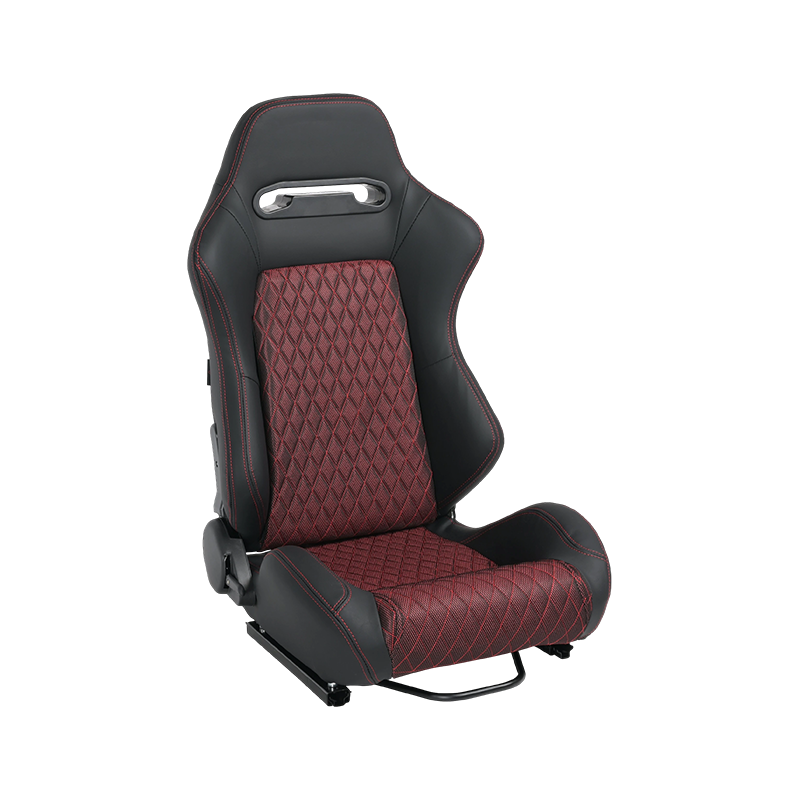
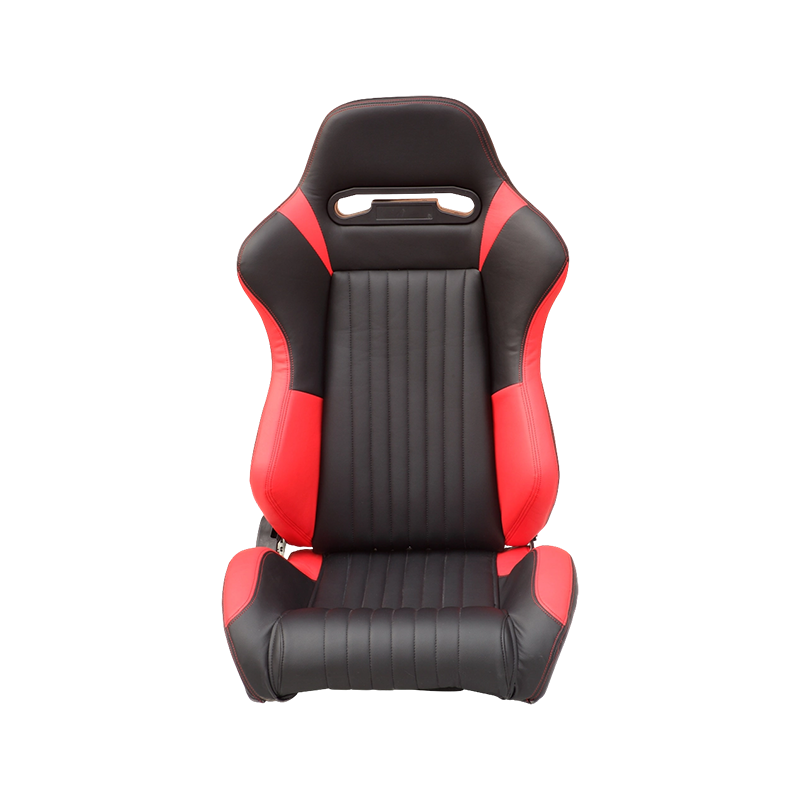
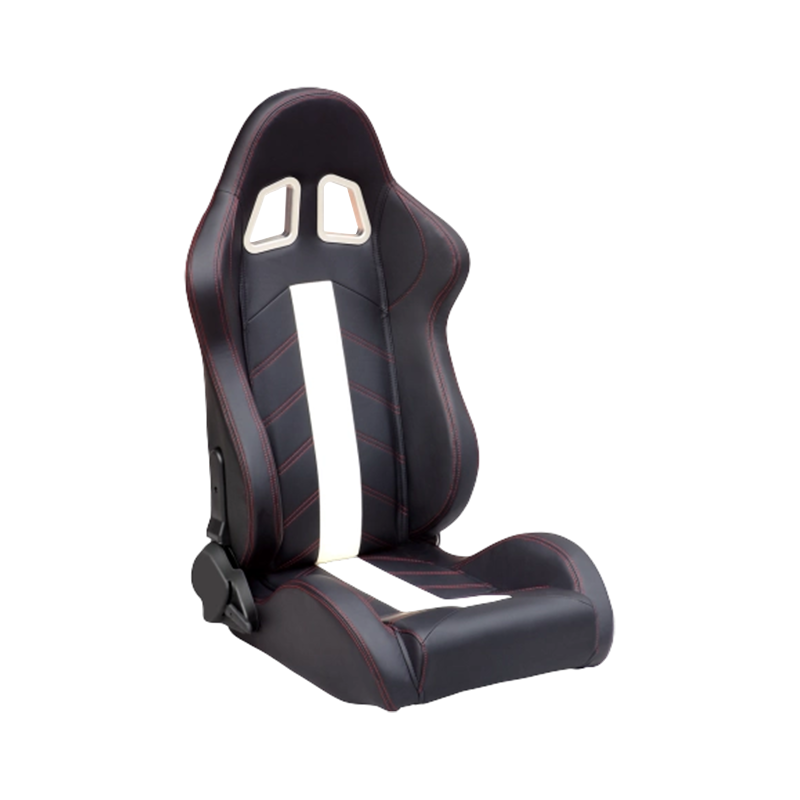
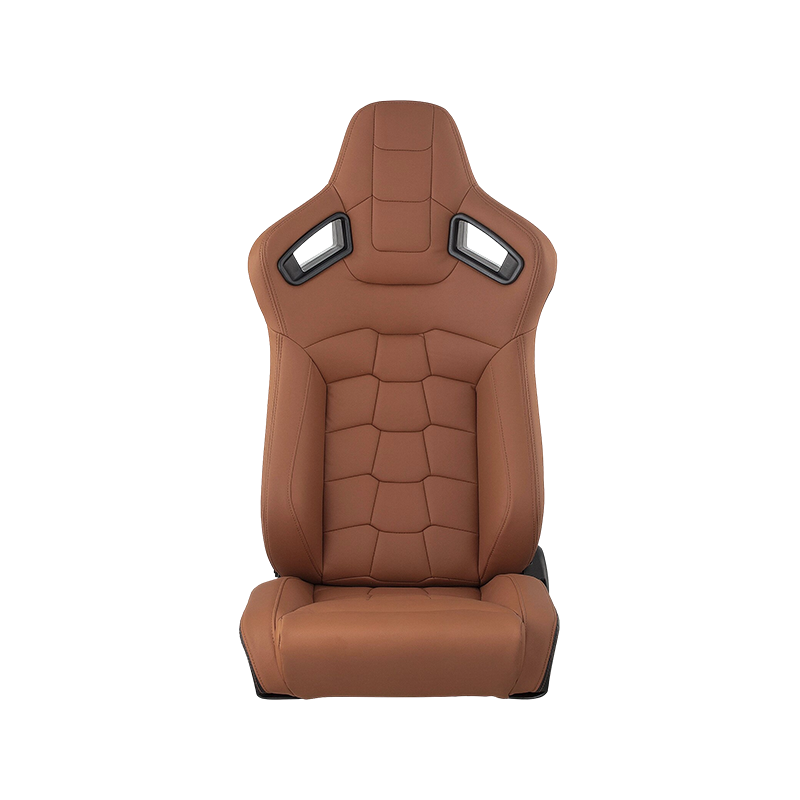
Replacing factory seats with racing-style bucket seats is a common modification in performance cars, track vehicles, and customized automotive projects. However, a seat that fits one vehicle platform may require different mounting hardware or dimensional adjustments for another. OEM buyers and automotive distributors need to consider seat dimensions, mounting configurations, cabin space, and vehicle-specific installation requirements before confirming an order.
At Ruian JIABEIER Auto Parts Co., Ltd., we understand that aftermarket car bucket seats must be evaluated according to their intended vehicle applications. As a manufacturer specializing in racing seats and automotive seating products, we work with customers to coordinate seat specifications, structural designs, and customization requirements for different markets.
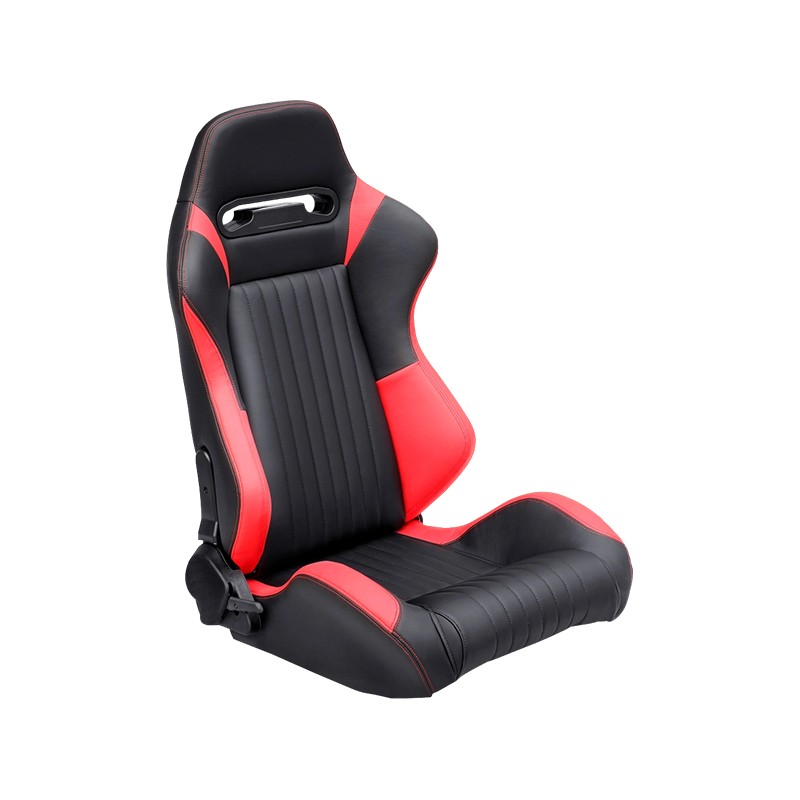
Passenger cars, SUVs, sports cars, and modified vehicles have different floor structures and interior dimensions. Even models from the same automotive brand may use different seat mounting positions and attachment systems.
Several factors influence compatibility:
Universal seat dimensions do not guarantee direct installation. Buyers should identify the exact vehicle make, model, production year, and seating position before assessing fitment.
Physical dimensions are an important starting point for platform compatibility. A bucket seat may have sufficient overall width but still interfere with the center console or door during installation.
| Measurement | Why It Matters |
| Overall seat width | Determines available space between the door and center console. |
| Hip area width | Affects driver fit and lower-body clearance. |
| Shoulder width | Helps evaluate upper-body support and cabin clearance. |
| Seat height | Influences headroom and driving position. |
| Seat base depth | Affects leg support and pedal reach. |
| Mounting hole spacing | Determines compatibility with brackets and sliders. |
At Jiabeier, we recommend that OEM buyers exchange dimensional drawings before confirming a customized seat project. Providing measurements in millimeters, together with installation photographs, helps our engineering team assess potential interference and mounting requirements.
Yes. Mounting configuration is a major factor in determining whether a bucket seat can be installed on a particular vehicle platform.
Many fixed-back racing seats use side mounting points. Metal brackets attach to designated threaded inserts on the seat shell and connect the seat to the vehicle-specific base or slider assembly. This arrangement allows adjustment of seat height and inclination within the permitted mounting design.
Bottom-mounted seats use attachment points underneath the seat. Their mounting hole patterns must correspond with the selected frame or slider system. Buyers should not assume that different manufacturers use identical hole spacing.
A typical installation assembly may contain the following components:
Mixing components from different manufacturers requires dimensional verification. The bolt pattern, bracket width, locking mechanism, and overall assembly height should all be checked before installation.
Modern factory seats often integrate electronic and safety-related components. Replacing them with aftermarket racing seats may affect the original vehicle systems.
Buyers should review the following items before planning a conversion:
At Jiabeier, we advise customers to evaluate these issues as part of the vehicle application review. Electronic bypass devices or wiring modifications should never be treated as universal solutions. Any changes must follow applicable vehicle safety regulations and qualified installation procedures.
Clear technical communication before production helps reduce compatibility issues and unnecessary sample revisions. We recommend preparing a vehicle fitment specification containing:
Our team can use these details to discuss seat dimensions, mounting arrangements, and customization possibilities. Jiabeier has a 10,000-square-meter manufacturing facility, two production lines, and an IATF 16949:2016-certified quality management system supporting our automotive seating operations.
A shared seat shell or upholstery design may serve several vehicle applications, provided the dimensions and installation arrangements are suitable. However, the mounting interface often needs vehicle-specific components.
For distributors and OEM brands, this approach can simplify product development and inventory planning. A practical sourcing strategy is to establish a common seat model while developing compatible brackets and mounting kits for different vehicle platforms.
At Jiabeier, we support OEM and ODM discussions involving seat appearance, material combinations, dimensions, and branding details. Our product development experience allows us to coordinate customer drawings and sample requirements during project evaluation. Any structural changes or safety-related modifications must also undergo the relevant technical verification.
Aftermarket bucket seat compatibility depends on more than the seat shell itself. Vehicle dimensions, mounting points, bracket configurations, cabin clearance, and electronic systems all influence the final installation result.
At Jiabeier, we encourage automotive distributors and OEM buyers to provide detailed vehicle information and mounting measurements before starting a new project. Our team can discuss suitable racing seat configurations, customized specifications, and manufacturing cooperation according to your application requirements.
Hot Products

If you are interested in our products, please consult us!
contact us
E-mail: [email protected]
Tel: +86-577 6681 1072+86-577 6556 8920
WeChat / WhatsApp: +86-139 5884 2868
Add: Jiangnan Avenue Economic Development Zone, Nanbin Street, Ruian, zhejiang, China.
Copyright © by Ruian JIABEIR Auto Parts Co., Ltd. Rights Reserved.
Car Seats Manufacturer & Custom Modified Car Seats


 English
 русский
 Español
 Português