Nov 13, 2026
Finding a suitable manufacturing partner involves more than comparing racing seat designs and wholesale prices. OEM buyers need to examine production capabilities, material consistency, structural testing, customization options, and quality management before establishing a long-term supply relationship. At Jiabeier, we understand that reliable manufacturing support is essential for automotive brands, racing equipment distributors, and aftermarket businesses developing their own seating product lines.
As an experienced automotive seating manufacturer, Ruian JIABEIR Auto Parts Co., Ltd. works with international customers on racing seats, racing simulators, and gaming chairs. Our experience has shown that evaluating racing seat manufacturers requires a structured review of both technical capabilities and business cooperation conditions.
Manufacturing experience provides useful information about a supplier's ability to handle different product structures, materials, and customer specifications. OEM buyers should examine the company's establishment history, product range, factory facilities, and engineering resources.
Several questions can help during the initial assessment:
At Jiabeier, we began operations in 2009 and specialize in the development and production of racing seats, racing simulators, and gaming chairs. Our 10,000-square-meter manufacturing facility and two independent production lines support product development and manufacturing activities for international customers.
Material specifications directly influence seat durability, appearance, weight, and user experience. Buyers should request detailed information rather than evaluating a sample through visual inspection alone.
| Component | Purchasing Considerations |
| Seat frame | Structural design, metal thickness, welding quality, and corrosion protection |
| Seat shell | Fiberglass construction, surface finish, dimensions, and structural requirements |
| Upholstery | PVC leather, fabric, carbon-look finishes, color consistency, and abrasion resistance |
| Foam padding | Density, thickness, resilience, and seating comfort |
| Adjustment hardware | Slider compatibility, locking mechanisms, and operating durability |
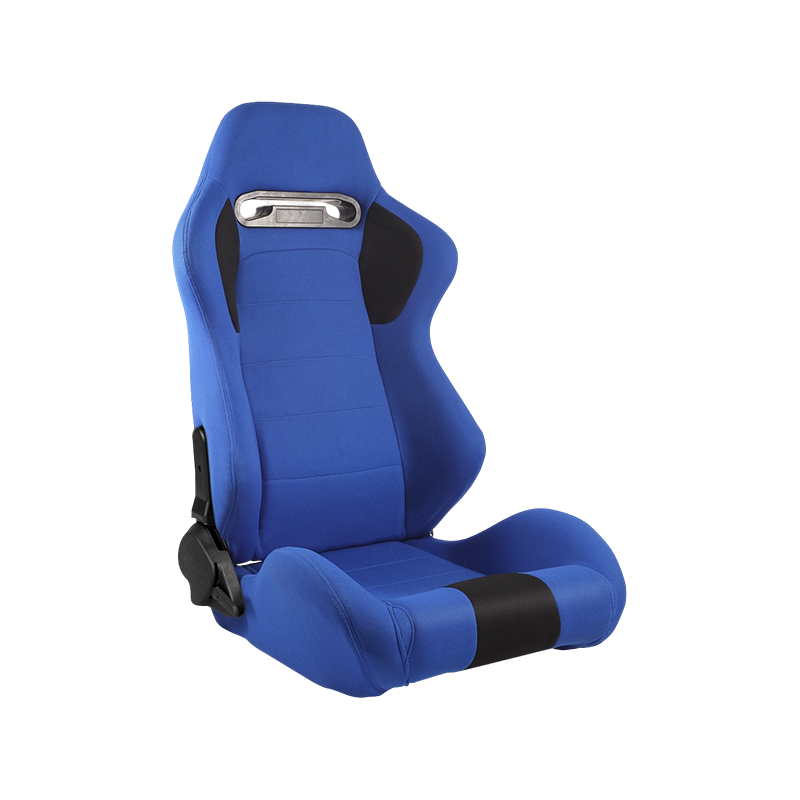
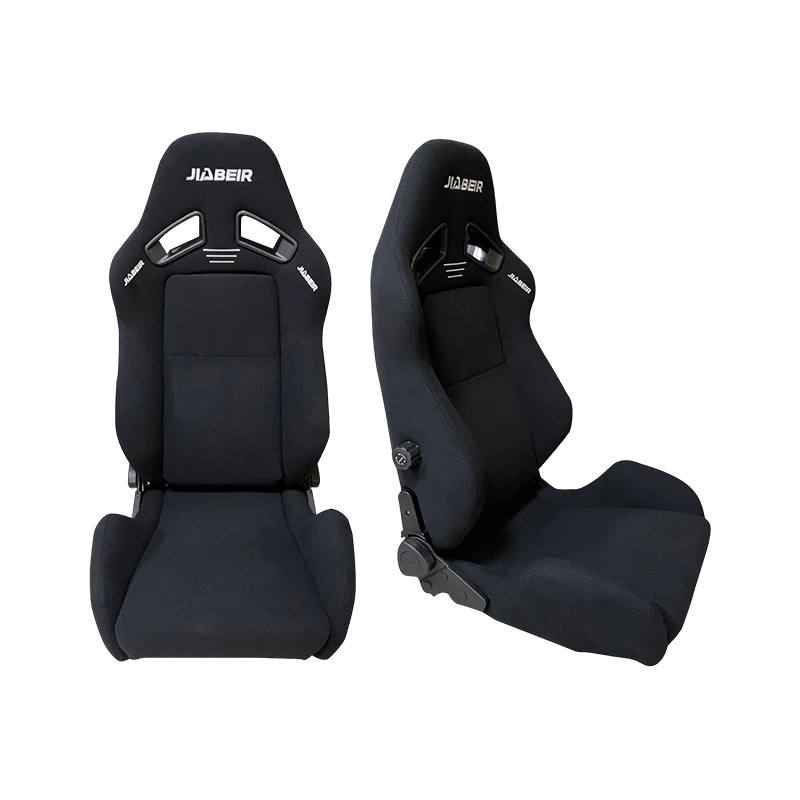
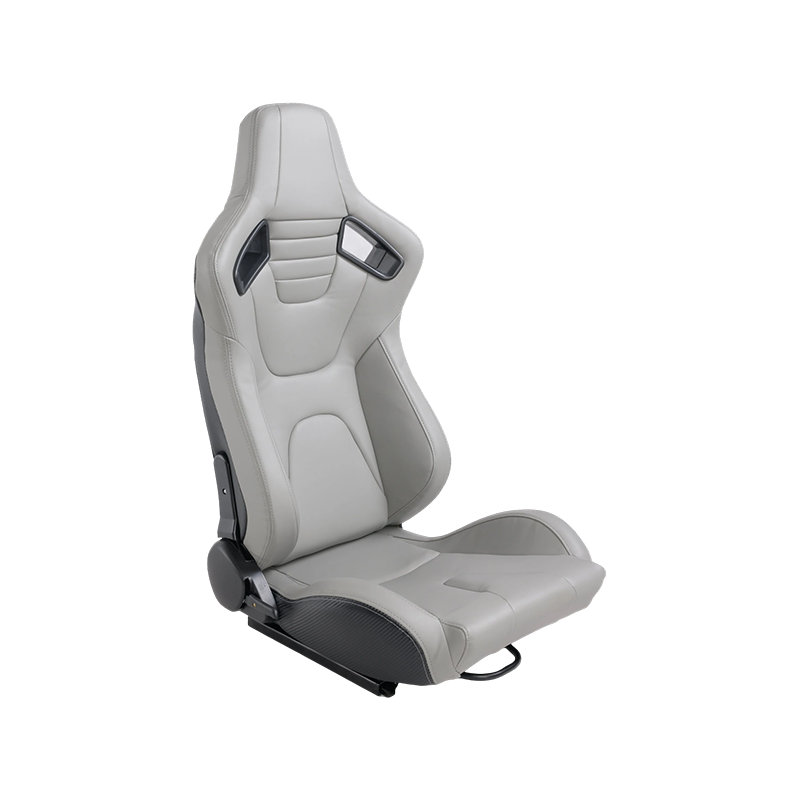
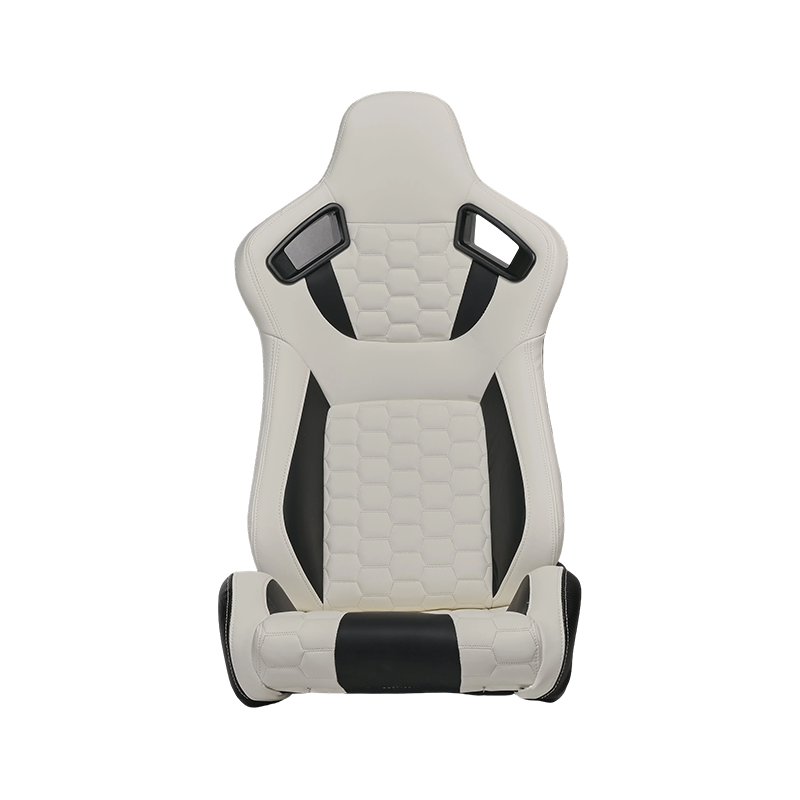
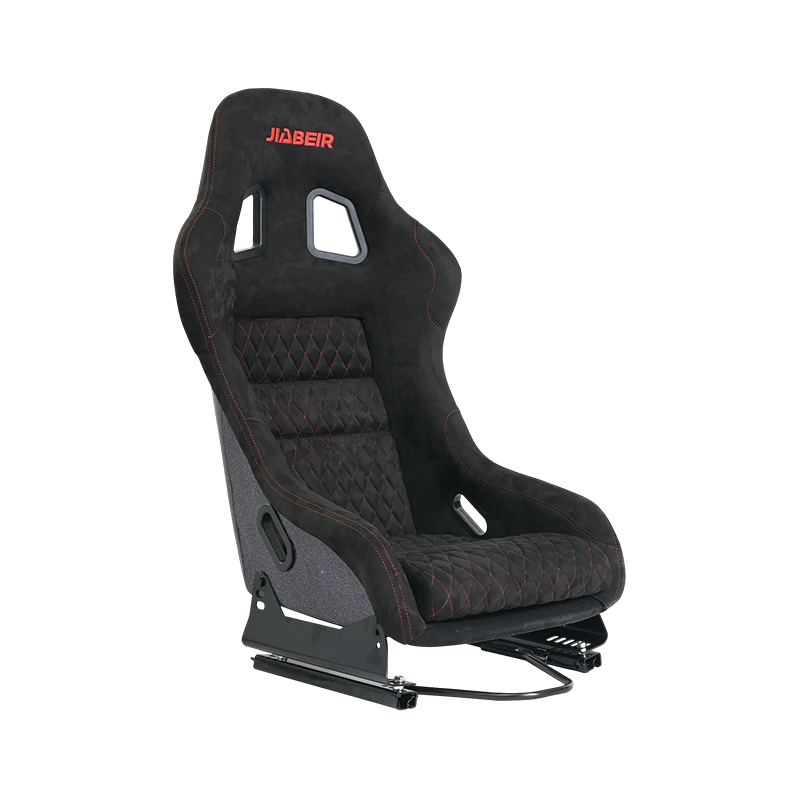
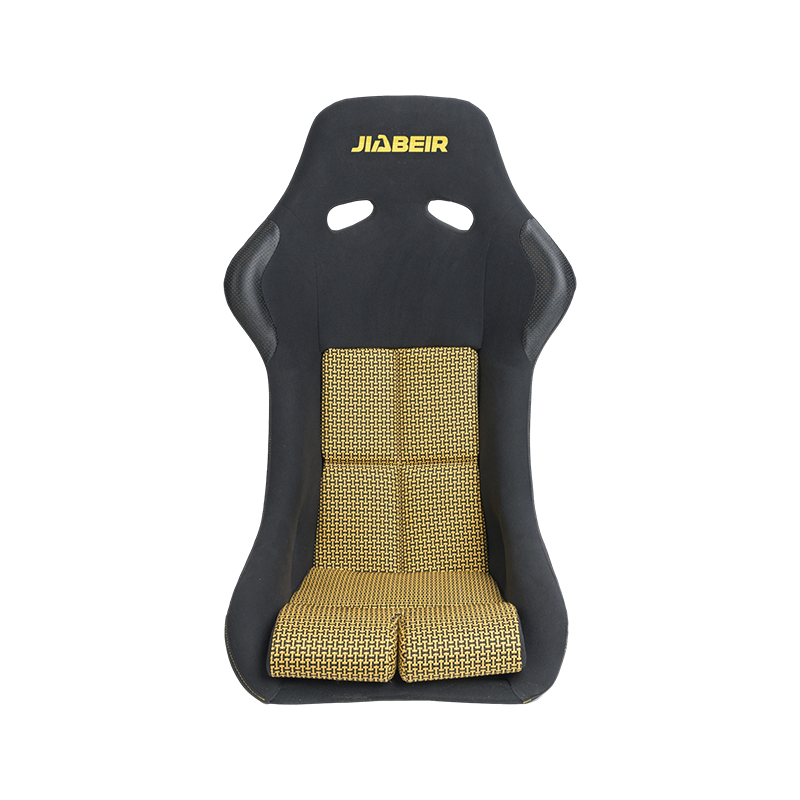
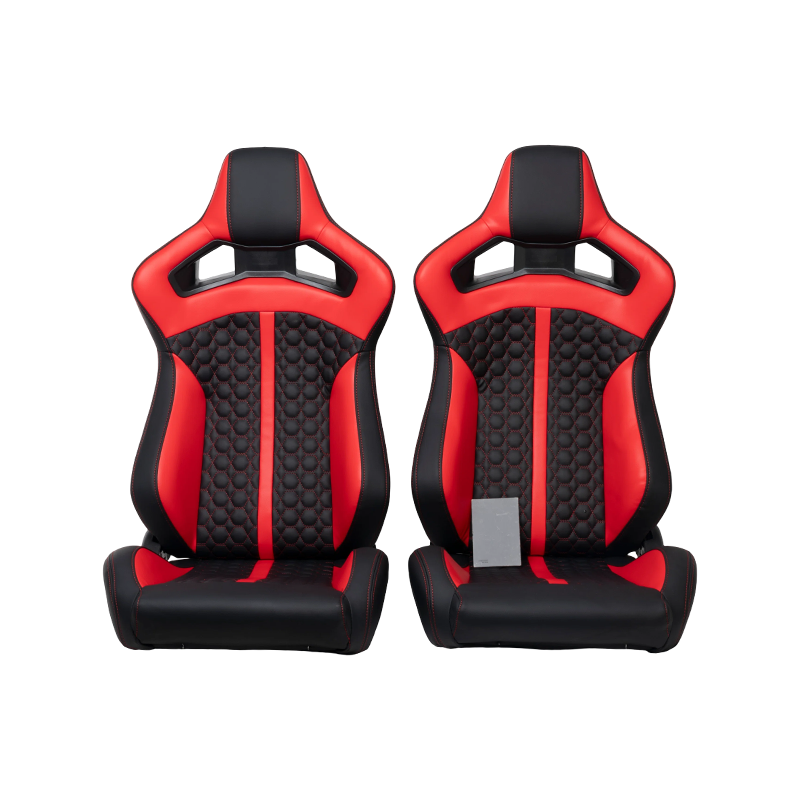
Our racing seat range includes different upholstery and design configurations. Depending on the project, customers can discuss PVC leather, fabric, pineapple-pattern materials, and carbon-look finishes. We also coordinate color combinations, embroidery, and other appearance requirements for branded seating projects.
A manufacturer's quality system is an important consideration for distributors and OEM purchasing departments. Consistent inspection procedures help control variations between production batches and provide documented evidence of manufacturing performance.
At Jiabeier, we are certified to the IATF 16949:2016 quality management standard. Our quality management approach covers production activities from incoming materials to finished products.
OEM buyers should request information about the following inspection procedures:
Our company also conducts crash testing on racing seat products as part of its safety-focused quality activities. Buyers developing competition seats should separately verify the applicable FIA or SFI requirements, homologation documents, and test reports. An IATF 16949-certified quality management system does not automatically establish product-level motorsport homologation.
Private-label and customized seating projects often require changes beyond color selection. Manufacturers need suitable engineering resources to translate customer drawings, samples, and design concepts into production specifications.
At Jiabeier, our customization services cover several areas:
Before starting a project, buyers should prepare technical drawings, reference samples, target dimensions, color requirements, and expected application conditions. Clear specifications help our engineering team assess feasibility and prepare suitable development proposals.
Production capacity affects a manufacturer's ability to support repeat orders, product launches, and changing inventory requirements. Buyers should understand the available production lines, workforce organization, material sourcing arrangements, and production scheduling procedures.
Useful questions include:
Our two in-house production lines support manufacturing coordination, while our international business experience helps us communicate with customers across Europe, North America, the Middle East, and Asia.
Technical communication is another important part of OEM sourcing. A manufacturing partner should be able to explain material choices, discuss design adjustments, provide product information, and respond to quality-related questions.
At Jiabeier, we value practical cooperation throughout the development and production process. Our team supports customer discussions involving product drawings, sample evaluation, branding requirements, and packaging specifications.
We also hold one invention patent, more than 20 utility model patents, and nearly 100 design copyrights. These intellectual property achievements reflect our ongoing investment in product development and design capabilities.
Evaluating a racing seat supplier requires a comprehensive review of manufacturing experience, material quality, testing procedures, customization resources, and production coordination. A competitive quotation is useful, but it should be considered alongside technical documentation and the manufacturer's ability to maintain consistent product specifications.
At Jiabeier, we combine automotive seating development experience, established manufacturing facilities, and OEM/ODM services to support international business customers. Whether you are developing a new racing seat collection or expanding an existing aftermarket range, our team welcomes discussions about your product drawings, material preferences, and project requirements.
Hot Products

If you are interested in our products, please consult us!
contact us
E-mail: [email protected]
Tel: +86-577 6681 1072+86-577 6556 8920
WeChat / WhatsApp: +86-139 5884 2868
Add: Jiangnan Avenue Economic Development Zone, Nanbin Street, Ruian, zhejiang, China.
Copyright © by Ruian JIABEIR Auto Parts Co., Ltd. Rights Reserved.
Car Seats Manufacturer & Custom Modified Car Seats


 English
 русский
 Español
 Português