Aug 07, 2026
Track-day driving has become a popular way for car enthusiasts to experience improved handling, sharper response, and a closer connection with their vehicles. Along with suspension upgrades and performance tires, seat upgrades are receiving more attention because the right racing seat can influence driver confidence, body stability, and overall driving feel.
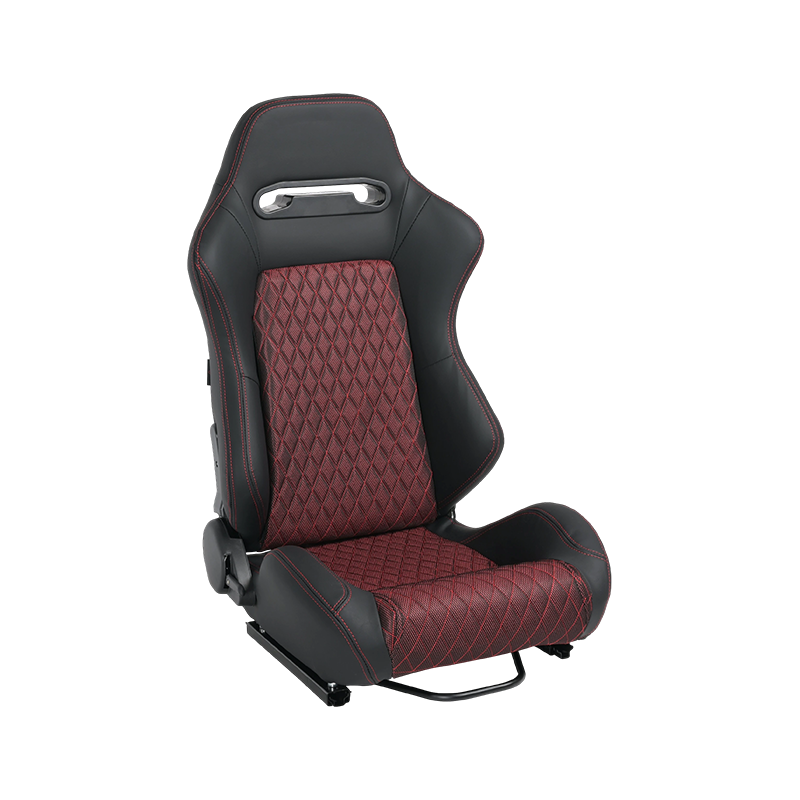
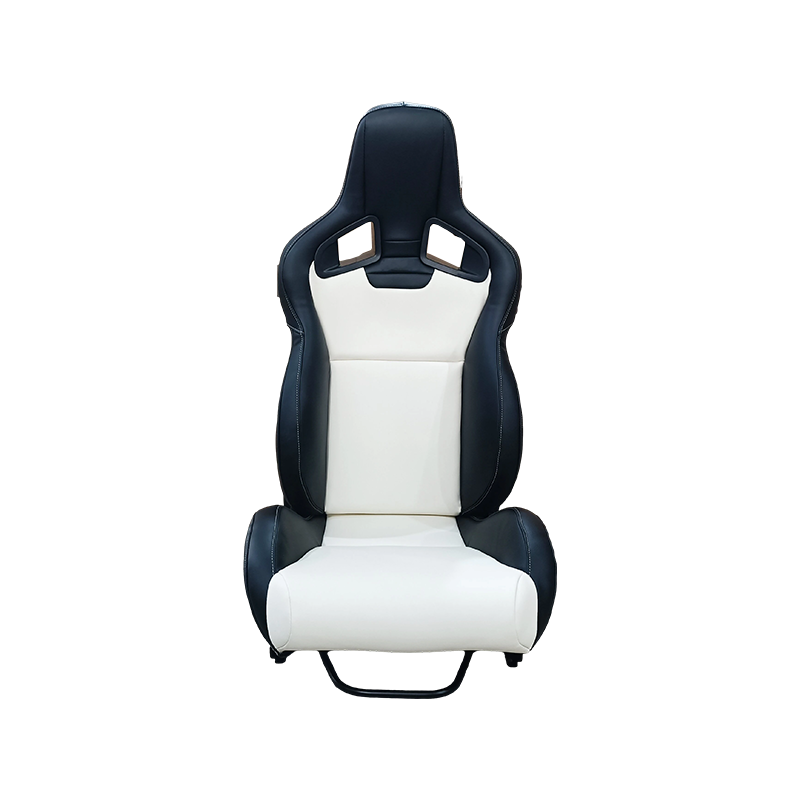
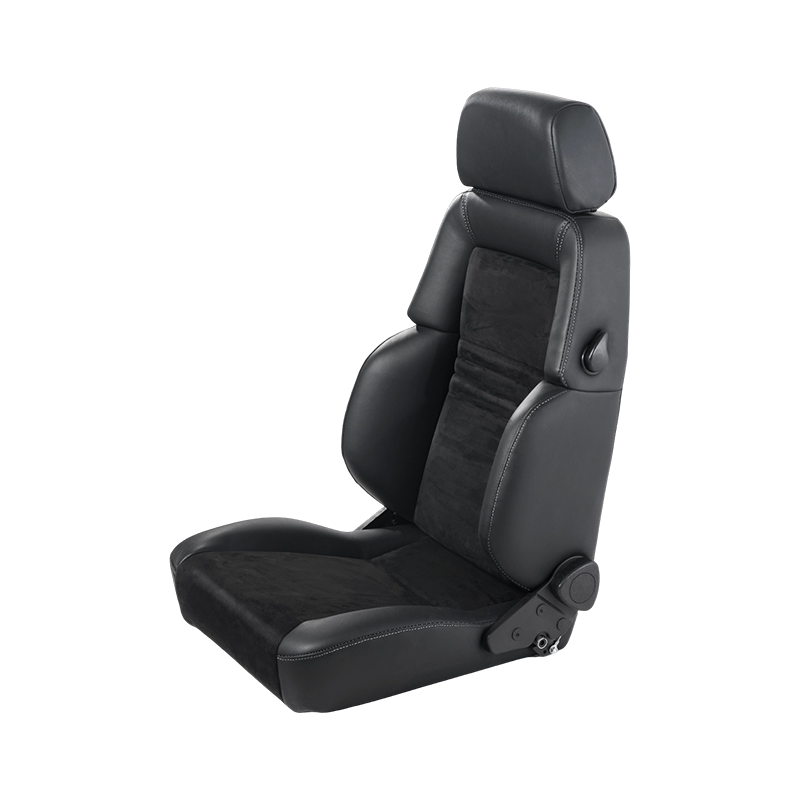
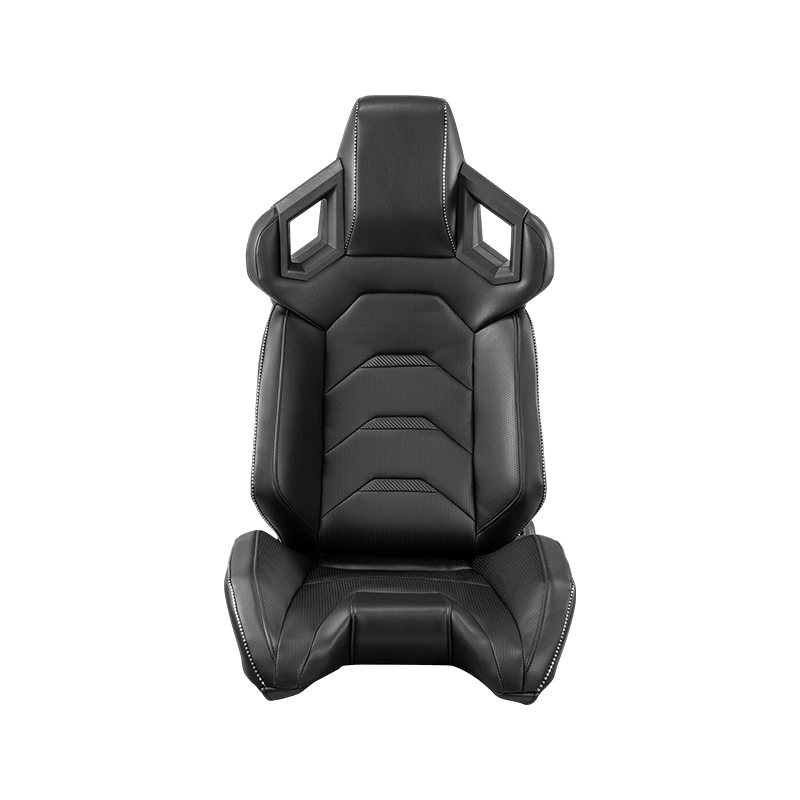
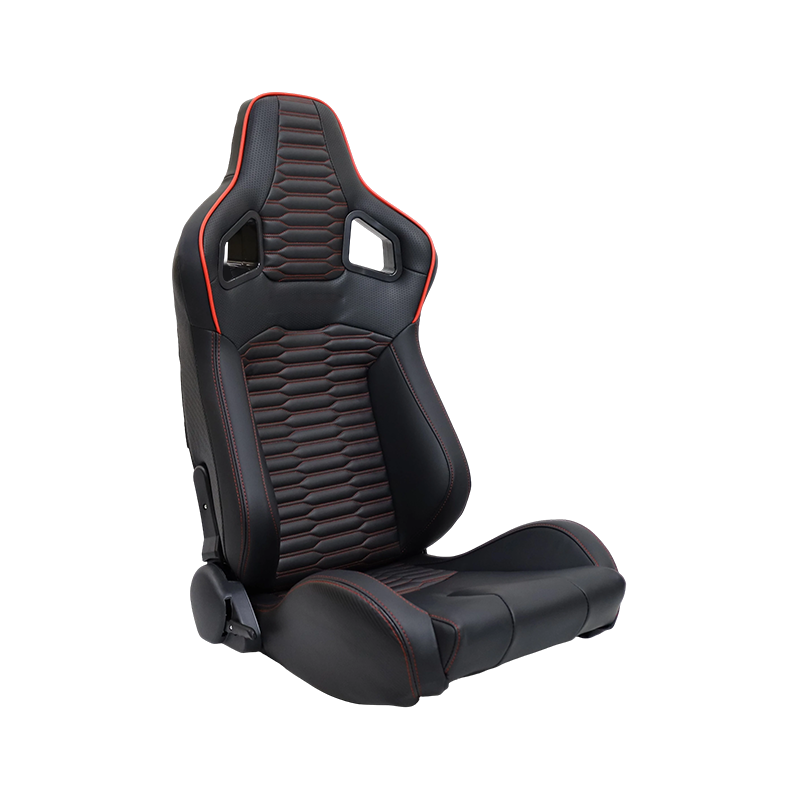
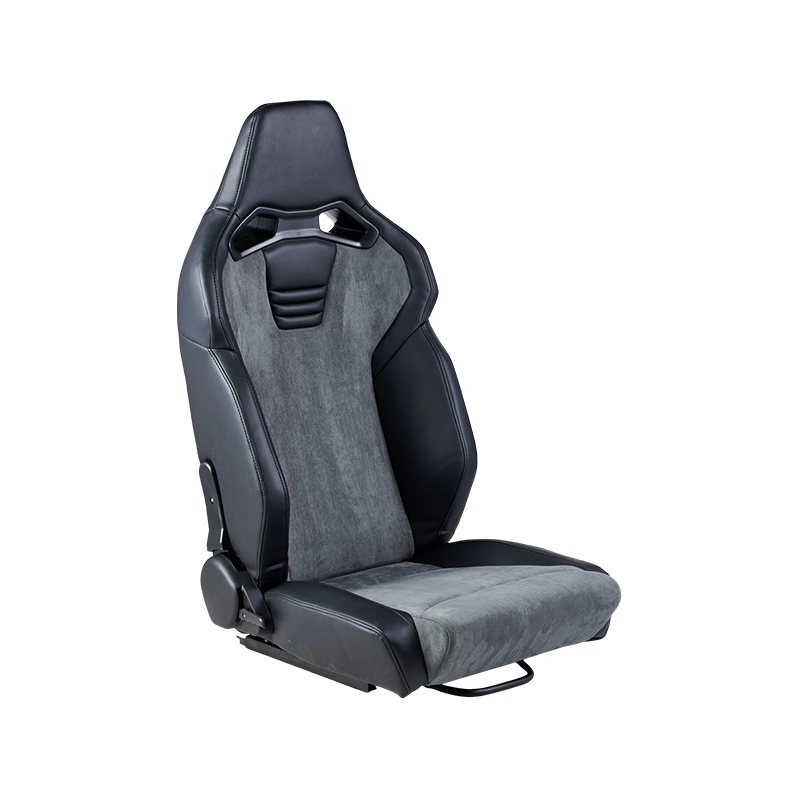
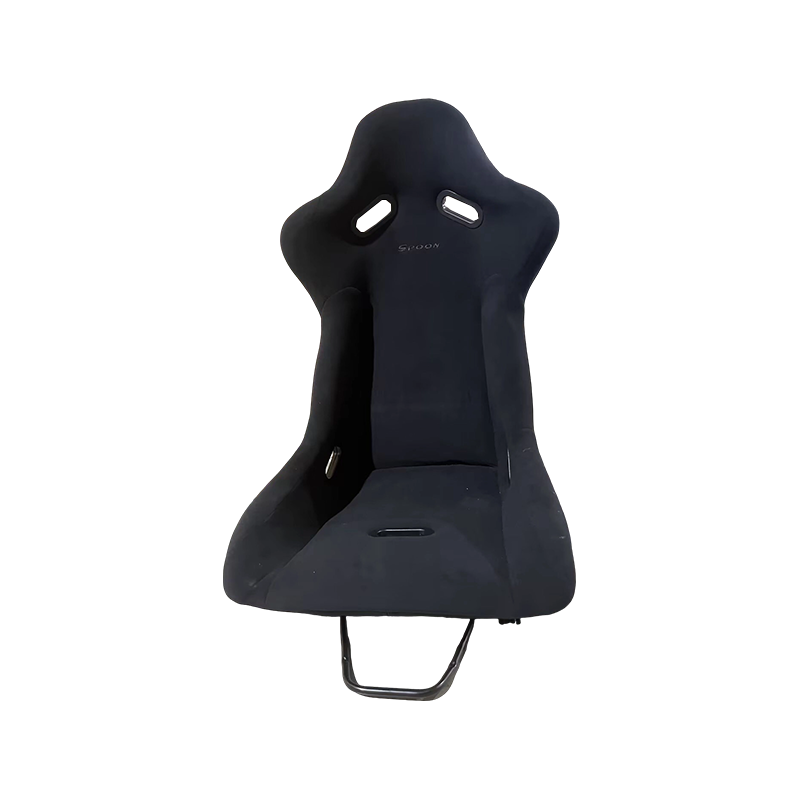
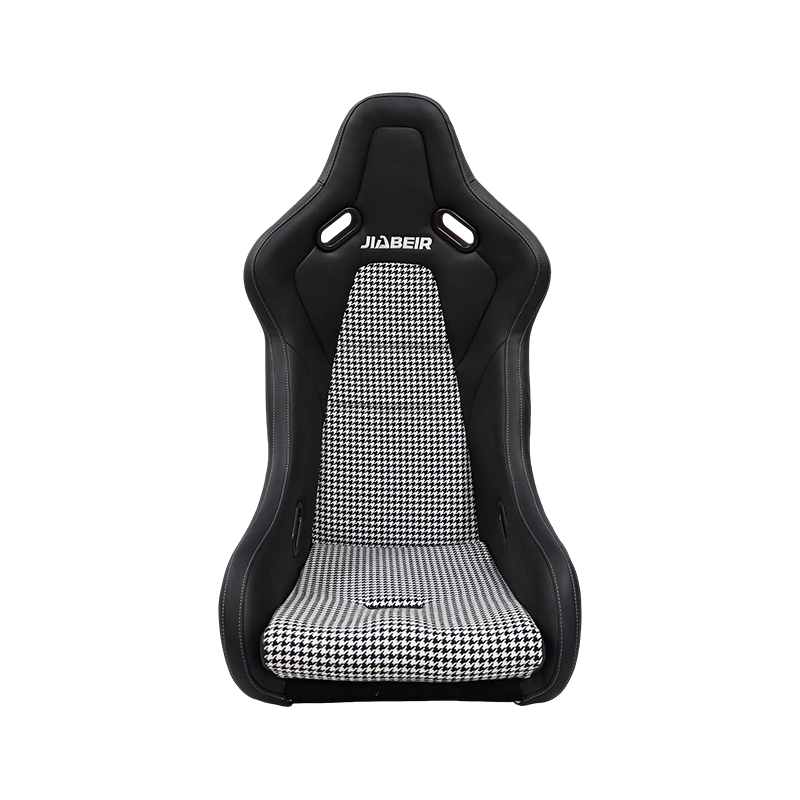
Many enthusiasts and automotive retailers are now exploring wholesale race seats as a practical option for upgrading multiple vehicles, building performance packages, or preparing track-focused interiors. However, the question remains: are these seats suitable for modern track-day demands?
The answer depends on several product factors, including shell construction, mounting design, driver support, weight control, and compatibility with different vehicle applications. A well-designed racing seat is not simply an interior accessory; it becomes a key connection point between the driver and the vehicle.
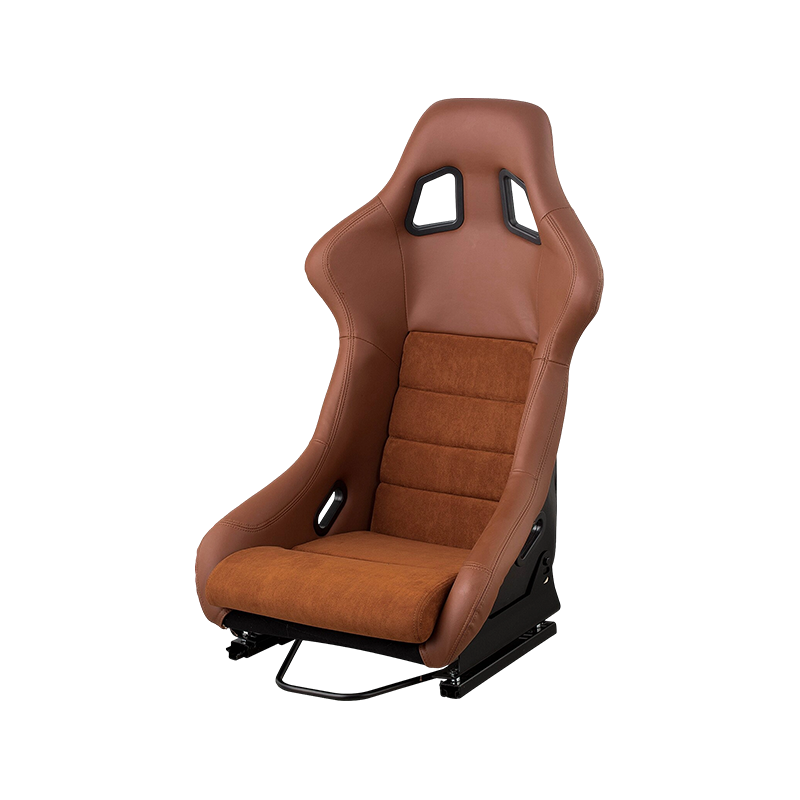
During high-speed cornering, acceleration, and braking, drivers experience continuous body movement. Factory seats are created for daily comfort, but they may not provide enough lateral support during aggressive driving situations.
Racing seats are designed with deeper side bolsters, stronger back support, and fixed seating positions to help drivers maintain a stable posture. Many track-oriented models use fiberglass, carbon fiber, or composite shells to achieve a balance between rigidity and weight reduction.
Motorsport regulations also highlight the importance of proper seat structure and mounting. FIA-related racing standards emphasize that competition seats need suitable support, secure installation, and appropriate protection characteristics.
Buyers researching wholesale race seats usually look beyond appearance. They evaluate whether the seat design matches different racing environments, vehicle platforms, and customer expectations.
| Feature | Typical Specification | Customer Benefit |
| Seat Shell Material | Fiberglass, carbon fiber, composite materials | Provides strength with controlled weight |
| Seat Weight | Approx. 6–12 kg depending on structure | Supports lightweight performance builds |
| Harness Compatibility | 4-point, 5-point, or 6-point harness openings | Improves driver restraint options |
| Mounting Pattern | Common side mount or bottom mount designs | Allows wider vehicle compatibility |
| Padding System | High-density foam with removable cushions | Balances support and driving comfort |
Carbon composite shells are often chosen by performance-focused users because they provide strong structural performance while maintaining a relatively low weight. Some racing seats available on the market combine lightweight shells with FIA-approved mounting solutions and harness compatibility for track applications.
Track-day vehicles are not limited to professional racing machines. Owners of sports cars, modified street vehicles, drift cars, and time-attack builds may have different requirements. This creates demand for various seat designs rather than a single universal solution.
A supplier offering different sizes, mounting options, and upholstery choices can better support these varied applications. Vehicle owners often require different seat widths, cushion thicknesses, and bracket solutions depending on body shape and driving style.
The material used in a racing seat affects weight, durability, appearance, and user experience. Carbon fiber has gained attention because of its premium visual appeal and strong mechanical properties, while fiberglass remains popular due to its balance between performance and cost.
| Material Type | Main Characteristics | Common Usage |
| Fiberglass | Rigid structure, cost-effective, reliable strength | Track-day cars and performance modifications |
| Carbon Fiber | High stiffness, lightweight design, premium appearance | Performance vehicles and custom builds |
| Composite Shell | Balanced strength and manufacturing flexibility | Various racing and enthusiast applications |
Purchasing wholesale race seats requires attention to technical details rather than focusing only on style. A suitable seat should match the vehicle setup and intended driving conditions.
These details help prevent common upgrade issues such as poor driving posture, limited adjustment space, or unsuitable harness positioning.
The growing interest in track-day modifications shows that racing seats are moving beyond professional motorsport applications. Enthusiasts are looking for products that combine appearance, support, safety features, and installation flexibility.
Wholesale race seats can meet this demand by providing a range of designs for different vehicle categories, from lightweight performance builds to street-focused sports cars. With proper material selection, accurate dimensions, and suitable mounting systems, racing seats can become an important upgrade for drivers who want a more connected track experience.
As more automotive enthusiasts customize their vehicles, racing seats will continue to play an important role in creating interiors designed around performance driving needs.
Hot Products

If you are interested in our products, please consult us!
contact us
E-mail: [email protected]
Tel: +86-577 6681 1072+86-577 6556 8920
WeChat / WhatsApp: +86-139 5884 2868
Add: Jiangnan Avenue Economic Development Zone, Nanbin Street, Ruian, zhejiang, China.
Copyright © by Ruian JIABEIR Auto Parts Co., Ltd. Rights Reserved.
Car Seats Manufacturer & Custom Modified Car Seats


 English
 русский
 Español
 Português