Aug 14, 2026
Carbon fiber seats have become a recognizable feature in performance vehicles, modified cars, and track-focused builds. The glossy weave pattern, lightweight appearance, and racing-inspired design often attract automotive enthusiasts. However, a genuine carbon fiber car seat custom solution involves much more than adding a carbon-style surface or changing upholstery colors.
Modern buyers are looking for seats that match their driving habits, body dimensions, vehicle layout, and performance goals. A truly customized carbon fiber car seat requires attention to shell structure, ergonomic design, mounting position, cushion configuration, and material selection. The difference between visual customization and functional engineering has become an important topic among performance car owners.
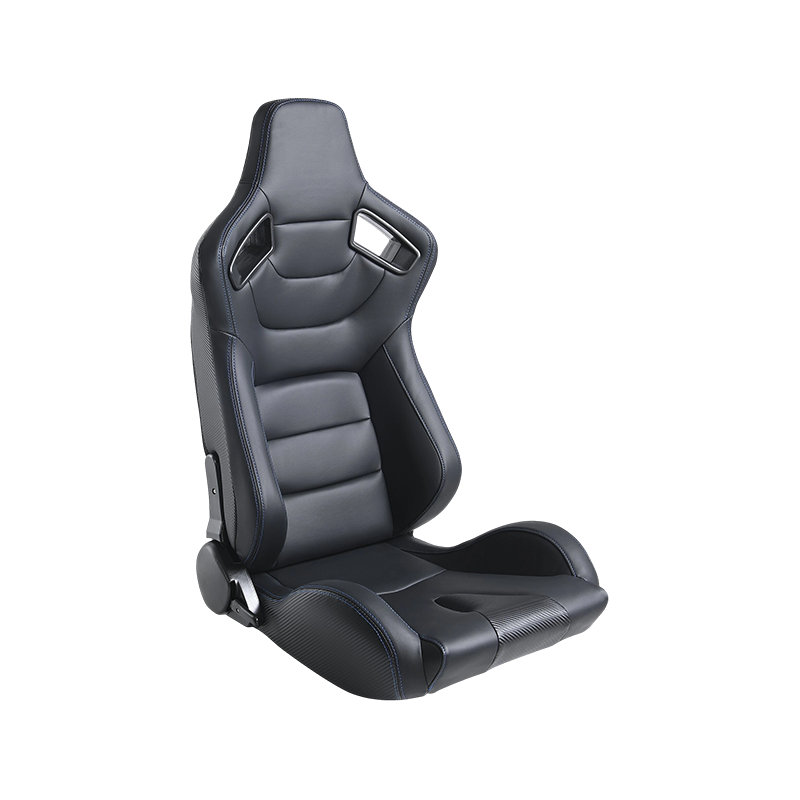
Many vehicle owners choose carbon fiber seats because they create a motorsport-inspired interior atmosphere. However, the value of carbon fiber comes from its structural characteristics rather than appearance alone.
Professional racing-inspired seat designs often combine carbon fiber reinforced plastic (CFRP) structures with specially developed padding systems to balance support and comfort. Some motorsport-style carbon shell seats are designed for both road and track applications with specific approval and mounting requirements.
The word “custom” is widely used in the automotive seat market, but different levels of customization exist. A surface-level modification may only involve carbon-look materials, stitching patterns, or color changes. A deeper customization process focuses on the complete relationship between the driver and the seat.
| Customization Area | Typical Adjustment | Purpose |
| Shell Shape | Modified shoulder, hip, and back support areas | Improves driver fit and stability |
| Seat Dimensions | Width, height, and cushion adjustment | Matches different body structures |
| Mounting Position | Bracket location and seat angle changes | Creates suitable driving posture |
| Surface Finish | Carbon weave, leather, suede, stitching options | Provides personalized appearance |
A complete carbon fiber car seat custom project may include driver measurements, 3D modeling, mold development, and structural optimization. These steps help create a seat that is designed around practical requirements rather than only visual preferences.
A seat is the main contact point between the driver and the vehicle. During acceleration, braking, and cornering, the seat needs to maintain body positioning while allowing the driver to control the vehicle naturally.
Traditional comfort seats usually include flexible frames and thicker cushioning designed for daily transportation. Carbon fiber racing seats use a more rigid structure, allowing the driver to experience a closer connection with vehicle movement.
Different carbon fiber materials provide different performance characteristics. The choice depends on the required strength, appearance, production method, and target application.
| Carbon Material Type | Characteristics | Common Application |
| 3K Carbon Fiber | Fine weave pattern and balanced performance | Visible exterior surfaces and premium interiors |
| T700 Carbon Fiber | High tensile strength and lightweight properties | Performance racing components |
| Carbon Composite | Combines carbon layers with supporting materials | Customized automotive seats |
| Carbon Aramid | Combines carbon stiffness with aramid impact resistance | Advanced motorsport seat structures |
Carbon fiber seat manufacturers often use different fiber combinations to achieve the required balance between rigidity, durability, and production requirements. Some performance seat designs also combine carbon fiber with aramid materials to enhance structural characteristics.
Driver body shape plays an important role in seat selection. A racing seat that fits one driver may not provide the same experience for another person. Shoulder width, hip position, leg length, and preferred driving posture all influence the final seat design.
A customized carbon fiber seat may include adjustments such as:
This personalized approach is especially useful for dedicated track vehicles, supercar modifications, and high-performance street builds where driver control is a major consideration.
Some buyers assume that any seat with a carbon pattern qualifies as a carbon fiber performance seat. However, appearance alone does not indicate the actual material structure or engineering quality.
| Appearance-Based Modification | True Custom Carbon Fiber Seat |
| Carbon-look surface wrap | Actual carbon fiber shell construction |
| Standard seat with new cover | Modified structure based on driver requirements |
| Fixed dimensions | Customized size and mounting solutions |
| Style-focused upgrade | Performance and ergonomic improvement |
The demand for customized automotive interiors is growing because drivers want products that reflect both personal style and performance needs. A carbon fiber seat represents more than a luxury appearance upgrade; it combines engineering, material technology, and driver-focused design.
A successful carbon fiber car seat custom solution considers every detail, from shell construction and carbon weave selection to mounting systems and ergonomic support. For enthusiasts building unique performance vehicles, a properly designed carbon fiber seat can transform the interior into a more focused driving environment.
As automotive customization continues to develop, carbon fiber seats will remain an important choice for drivers who value lightweight design, racing influence, and personalized vehicle experiences.
Hot Products

If you are interested in our products, please consult us!
contact us
E-mail: [email protected]
Tel: +86-577 6681 1072+86-577 6556 8920
WeChat / WhatsApp: +86-139 5884 2868
Add: Jiangnan Avenue Economic Development Zone, Nanbin Street, Ruian, zhejiang, China.
Copyright © by Ruian JIABEIR Auto Parts Co., Ltd. Rights Reserved.
Car Seats Manufacturer & Custom Modified Car Seats


 English
 русский
 Español
 Português