Jul 31, 2026
Weight reduction has always been a major goal in motorsport engineering. Every kilogram removed from a vehicle can influence acceleration, handling response, and overall performance. However, racing seats occupy a unique position because they must achieve two goals at the same time: reducing unnecessary mass while protecting the driver during harsh impact situations.
A professional racing seats manufacturer cannot focus only on lightweight construction. A seat is part of the driver restraint system, working together with harnesses, mounting brackets, head protection devices, and the vehicle structure. Modern racing seat development requires a careful balance between material efficiency, structural strength, ergonomic support, and safety certification requirements. FIA competition seat standards evaluate factors such as rear impact, side impact, and shell strength to ensure seats can withstand severe crash loads.
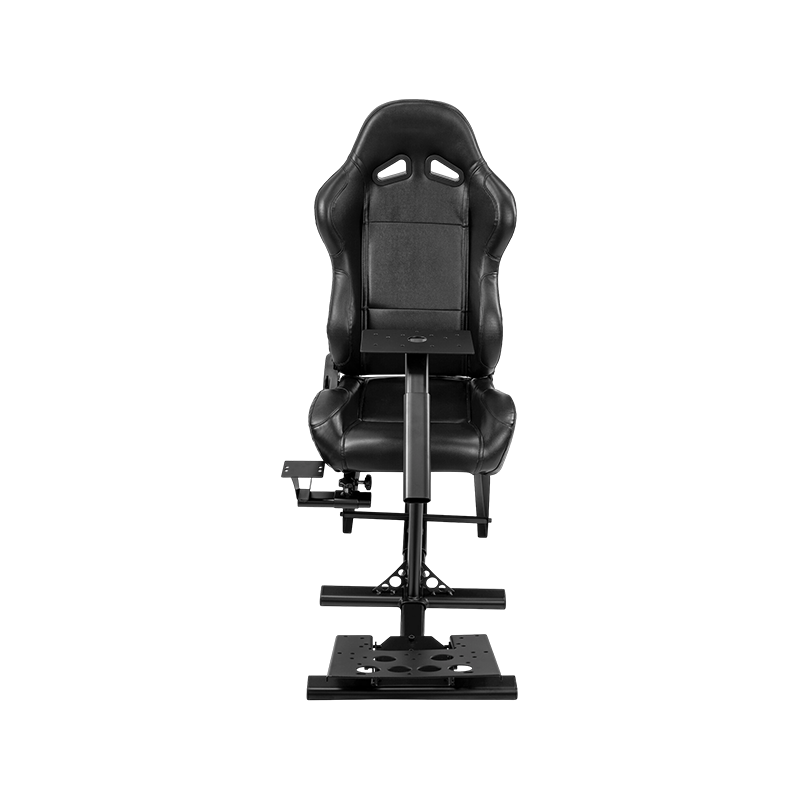
A racing seat shell must remain strong under high loads while avoiding unnecessary material thickness. Traditional steel structures provide durability but add considerable weight, which is why modern racing seats increasingly use composite materials.
| Material Type | Typical Characteristics | Common Application |
| Steel frame | High durability, heavier structure | Entry-level performance seats |
| Fiberglass composite | Balanced stiffness and weight | Track-oriented bucket seats |
| Carbon fiber composite | High stiffness-to-weight ratio | Premium racing applications |
| Hybrid composite | Combines different reinforcement materials | Advanced racing designs |
The challenge is not simply removing material. Engineers must understand where reinforcement is required and where excess material can be eliminated.
Advanced seat production focuses on strategic reinforcement. Areas around the shoulders, hips, lower back, and mounting points experience higher loads, requiring additional structural support.
Computer-aided simulation and physical testing allow manufacturers to refine these areas rather than increasing thickness across the entire shell.
Racing seats are exposed to forces that go far beyond normal driving loads. During competition, sudden deceleration, contact with barriers, or vehicle rotation can generate harsh stress.
FIA Standard 8855-2021, one of the recognized competition seat standards, evaluates seat performance under demanding impact conditions. The standard includes testing related to rear and lateral impacts, with seats required to withstand loads representing severe accident scenarios.
| Testing Area | Purpose | Seat Component Evaluated |
| Rear impact test | Measures resistance against rear collision forces | Seat shell and back structure |
| Side impact test | Evaluates lateral protection | Shoulder and hip support zones |
| Static loading test | Checks structural strength | Shell and mounting areas |
| Material inspection | Ensures production consistency | Composite layers and bonding quality |
A common misunderstanding is that a completely rigid seat provides the greatest protection. Racing seat design is more complicated. The structure must provide support while managing energy transfer during an impact.
Some composite seats are engineered with controlled deformation characteristics. This allows the structure to handle impact energy rather than transferring every force directly to the occupant.
Carbon fiber has become widely used in performance seat manufacturing because it provides high stiffness with relatively low mass. A carbon shell can achieve structural properties similar to heavier materials while reducing overall seat weight.
Typical carbon fiber racing seats may include:
The final performance depends on production quality rather than carbon fiber usage alone.
A racing seat manufacturer must control every production stage because small variations can influence structural behavior.
| Production Stage | Quality Focus |
| Material preparation | Correct fiber arrangement and resin condition |
| Molding process | Accurate shell shape and thickness control |
| Curing process | Proper bonding strength |
| Final inspection | Surface quality and structural verification |
Weight savings cannot come at the expense of driver stability. Racing environments expose drivers to repeated acceleration, braking, and cornering forces.
A properly designed racing seat usually includes:
These features help maintain a consistent driving position and reduce unnecessary body movement.
A seat designed for endurance racing may require different characteristics compared with a sprint competition seat. Comfort, ventilation, restraint compatibility, and driver extraction considerations can influence the final design.
| Application | Design Priority |
| Professional racing | Crash protection and FIA compliance |
| Track day vehicles | Balance between support and usability |
| Performance street cars | Comfort and daily practicality |
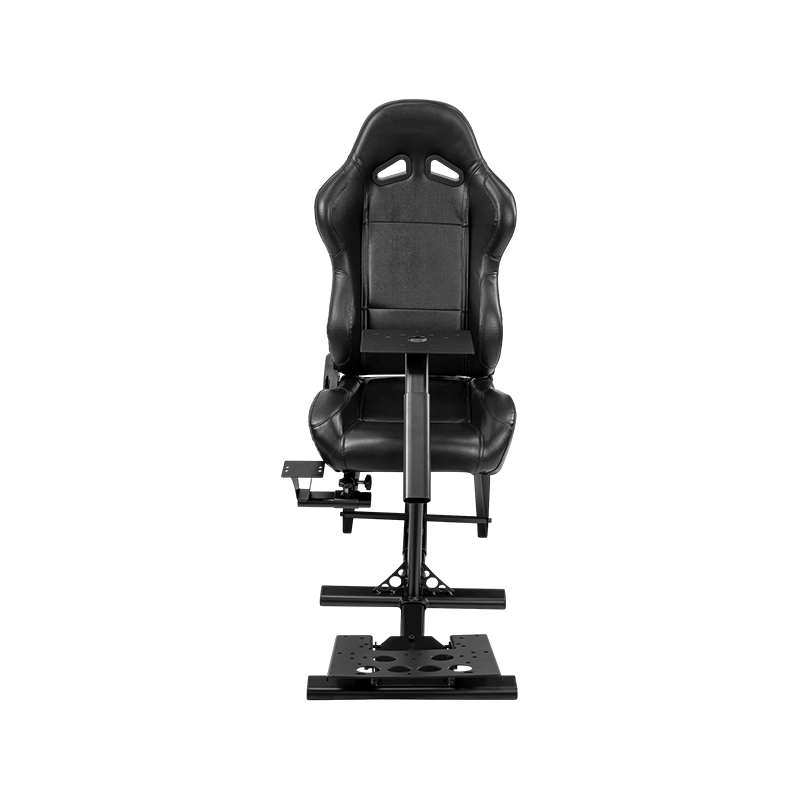
| Simulator applications | Ergonomic driving position |
A strong seat shell cannot provide proper protection without suitable mounting hardware. The connection between the seat and vehicle chassis determines how forces are distributed during an impact.
Poor installation can reduce the benefits of even a professionally engineered seat.
The racing seat industry continues exploring advanced materials and manufacturing methods. Digital design tools, automated composite production, and improved simulation technology are helping engineers create lighter structures with better performance control.
Future racing seat development may focus on:
Racing seat design is a continuous balance between weight reduction and occupant protection. A successful racing seats manufacturer does not simply remove material to create a lighter product. Instead, engineers analyze load paths, choose suitable composites, reinforce critical zones, and verify performance through demanding tests.
The future of racing seats will continue moving toward lighter structures, smarter materials, and improved safety engineering. The goal is not just a lighter seat, but a carefully developed component that supports both performance demands and driver protection.
Hot Products

If you are interested in our products, please consult us!
contact us
E-mail: [email protected]
Tel: +86-577 6681 1072+86-577 6556 8920
WeChat / WhatsApp: +86-139 5884 2868
Add: Jiangnan Avenue Economic Development Zone, Nanbin Street, Ruian, zhejiang, China.
Copyright © by Ruian JIABEIR Auto Parts Co., Ltd. Rights Reserved.
Car Seats Manufacturer & Custom Modified Car Seats


 English
 русский
 Español
 Português