Aug 21, 2026
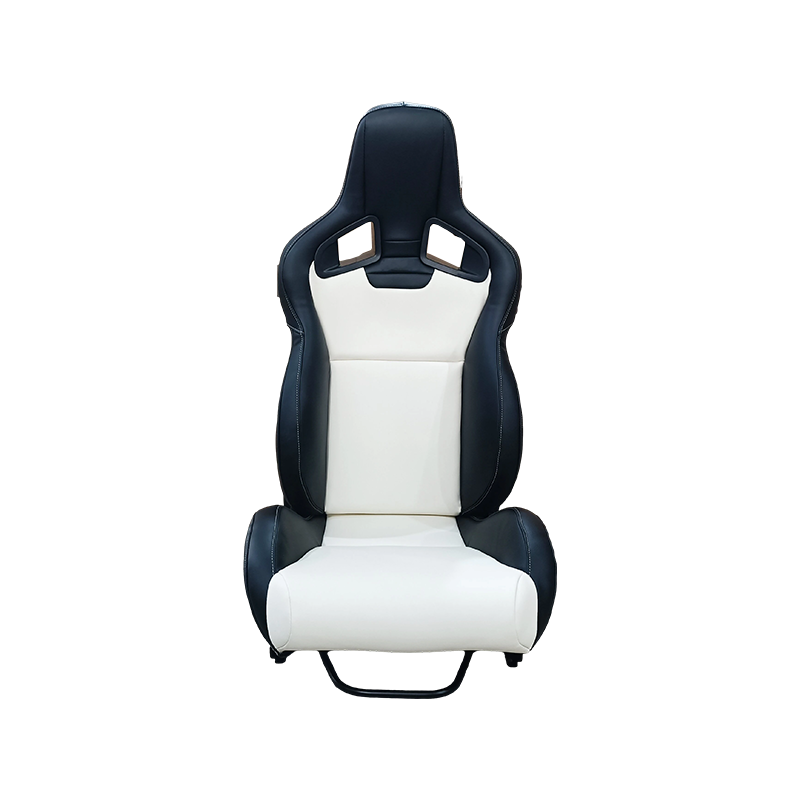
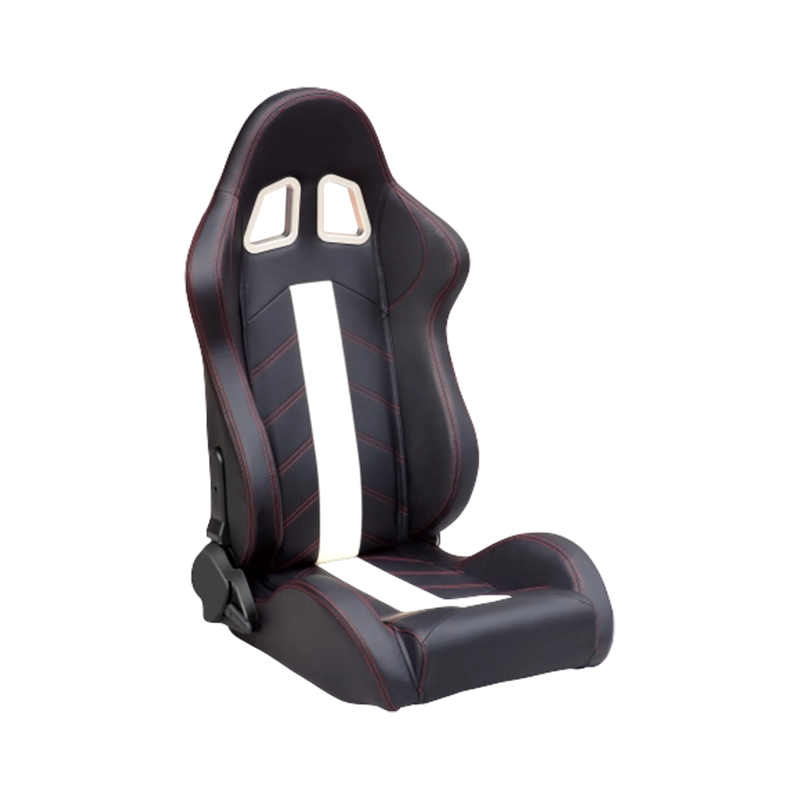
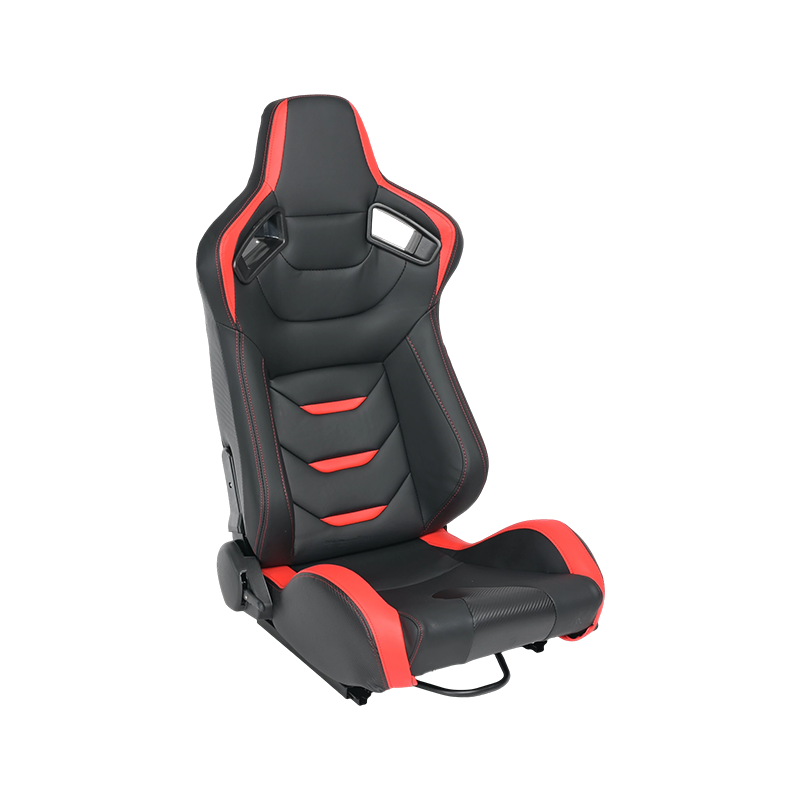
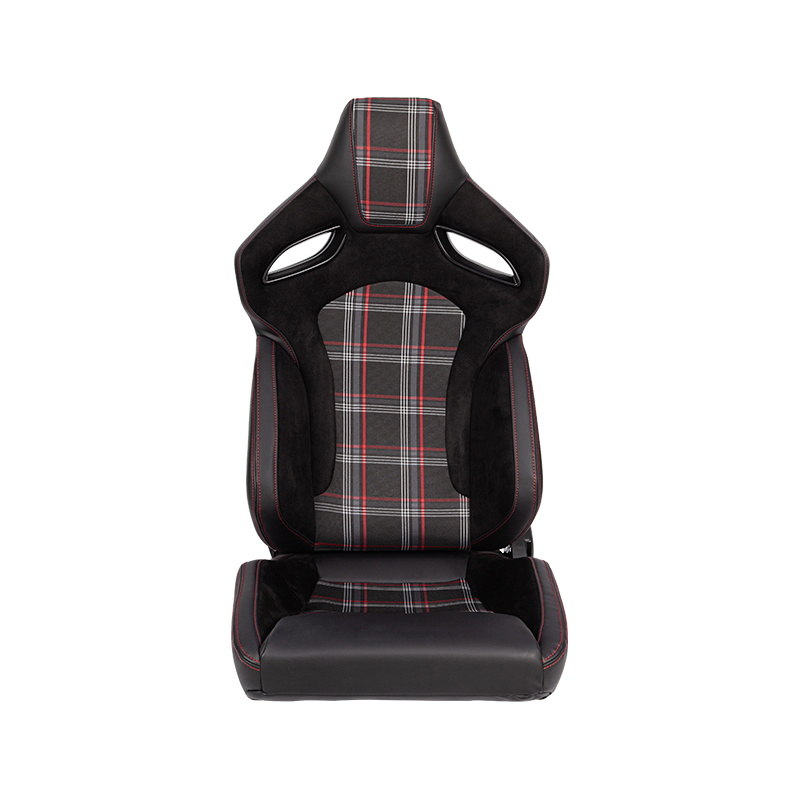
Performance driving requires a strong connection between the driver and the vehicle. Steering response, braking feedback, and cornering forces are not only influenced by mechanical upgrades but also by the driver’s seating position. This is why reclining racing bucket seats have gained attention among enthusiasts who want racing-style support without giving up everyday usability.
Traditional fixed-back bucket seats are widely recognized for track applications because of their rigid structure and strong body support. However, some drivers use their vehicles for both spirited driving and daily transportation, creating demand for seats that offer adjustable backrest angles, improved comfort, and enhanced lateral support. Reclining racing bucket seats are designed around this balance, combining features from performance seats and street-oriented interiors.
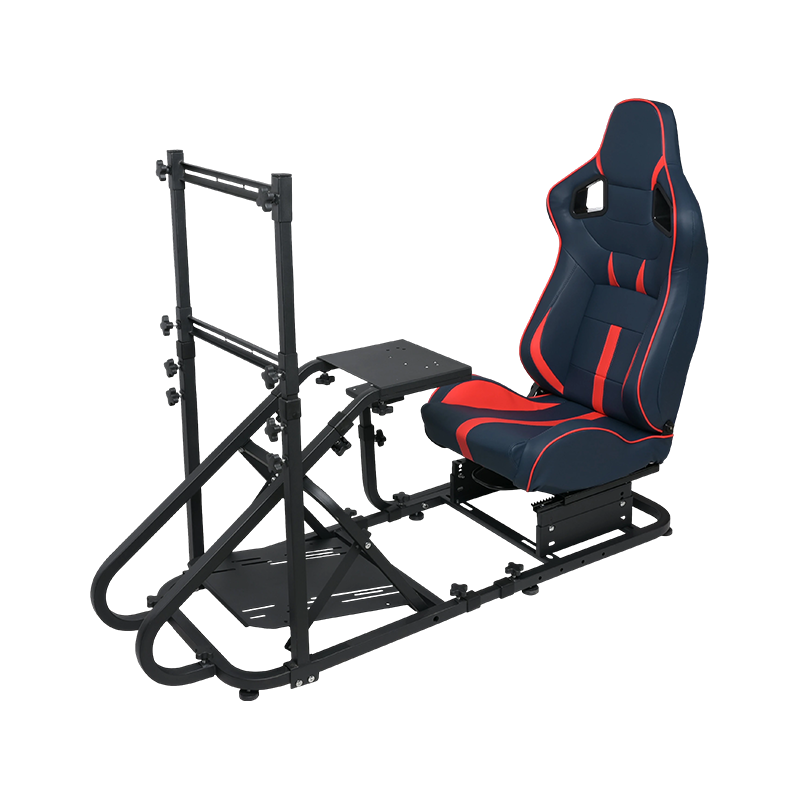
A racing seat has a different purpose compared with a standard vehicle seat. Factory seats usually focus on general comfort, while racing-inspired designs focus on keeping the driver stable during dynamic movements.
Reclining racing bucket seats add another layer of flexibility by allowing users to adjust the backrest angle. This feature makes them suitable for vehicles that need both performance capability and practical access.
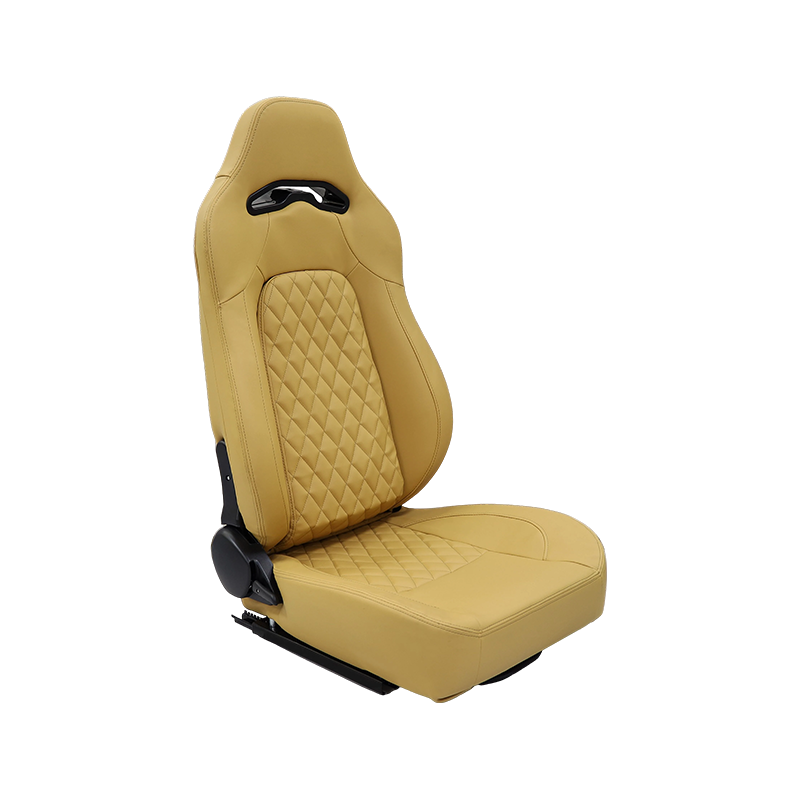
Many reclining bucket seat designs are developed for street performance vehicles because they provide stronger support than factory seats while maintaining easier adjustment. Some models include adjustable reclining mechanisms and reinforced side support areas for mixed road and track usage.
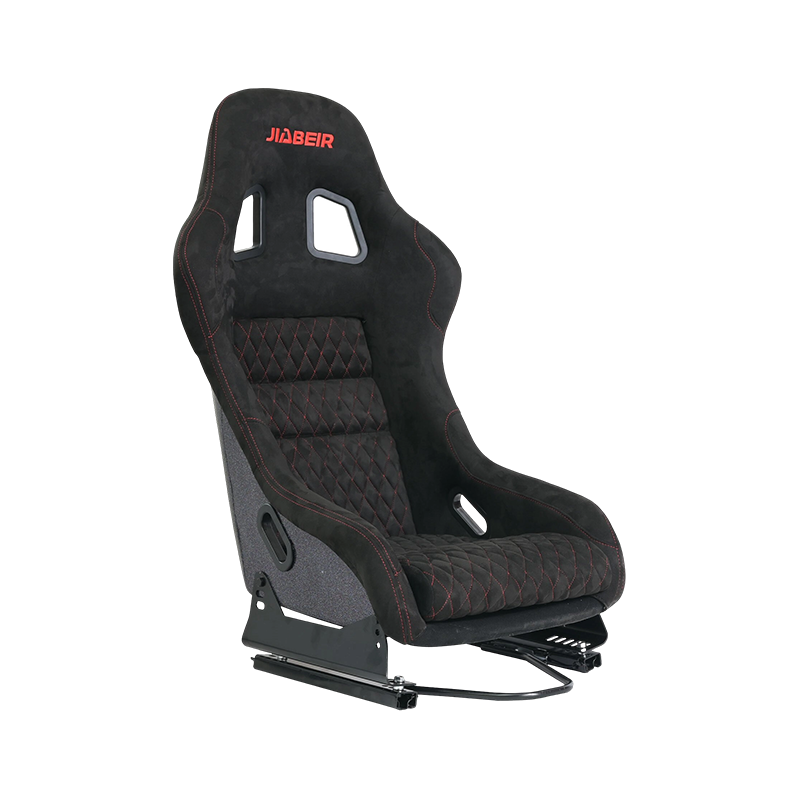
The main difference between these two seat categories is the backrest structure. Fixed-back seats use a rigid shell that prioritizes support, while reclining models add adjustment capability for wider usage scenarios.
| Seat Type | Structure Feature | Common Application |
| Fixed-Back Bucket Seat | Rigid back shell with strong body containment | Dedicated track cars and competition vehicles |
| Reclining Racing Bucket Seat | Adjustable backrest with bucket-style support | Street performance cars and weekend track builds |
| Factory Sport Seat | Comfort-focused frame with moderate bolsters | Daily driving and general transportation |
The choice depends on vehicle usage. A dedicated circuit vehicle may require a rigid racing structure, while a modified street car may benefit from the flexibility of a reclining design.
The appearance of a racing seat often attracts attention, but technical construction determines real-world performance. Buyers should examine materials, dimensions, adjustment systems, and compatibility before making a decision.
| Technical Element | Typical Specification Range | Impact on Driving Experience |
| Shell Material | Fiberglass, composite, carbon fiber reinforced materials | Controls rigidity and overall weight |
| Seat Weight | Approx. 8–15 kg depending on design | Affects vehicle weight balance and installation |
| Backrest Adjustment | Manual reclining mechanism | Allows flexible seating positions |
| Side Bolster Height | Medium to deep support profiles | Improves stability during cornering |
| Mounting System | Side mount or bottom mount brackets | Determines vehicle compatibility |
Many enthusiasts modify their vehicles for occasional track events rather than full-time competition. A seat designed only for racing may create compromises during daily use, especially regarding entry convenience, long-distance comfort, and interior practicality.
Reclining racing bucket seats address these concerns through adjustable structures while maintaining important performance characteristics.
A suitable seat should match the vehicle’s purpose. A lightweight sports car used occasionally on circuits may require different support compared with a daily-driven coupe with performance upgrades.
Material selection affects durability, appearance, weight, and comfort. Manufacturers commonly use different shell materials depending on the expected application and price range.
Advanced seat designs often combine rigid outer structures with carefully shaped cushions. This approach allows the seat to hold the driver securely while reducing pressure points during extended driving sessions.
A high-quality racing seat cannot perform correctly without proper installation. Seat position affects steering reach, pedal control, visibility, and overall driving posture.
Poor installation can reduce the benefits of even a well-designed seat. Proper positioning allows the driver to take advantage of improved support and control.
The popularity of reclining racing bucket seats comes from their ability to combine two different expectations: performance support and everyday comfort. They provide a sport-focused seating position while maintaining flexibility that fixed-back designs cannot offer.
For drivers building street-performance vehicles, weekend track cars, or customized interiors, reclining bucket seats represent a balanced solution. The right design depends on factors such as vehicle usage, driver size, material preference, and installation requirements.
As automotive customization continues to expand, seats that combine racing inspiration with practical features will remain an important upgrade choice for enthusiasts seeking better control and a more engaging driving environment.
Hot Products

If you are interested in our products, please consult us!
contact us
E-mail: [email protected]
Tel: +86-577 6681 1072+86-577 6556 8920
WeChat / WhatsApp: +86-139 5884 2868
Add: Jiangnan Avenue Economic Development Zone, Nanbin Street, Ruian, zhejiang, China.
Copyright © by Ruian JIABEIR Auto Parts Co., Ltd. Rights Reserved.
Car Seats Manufacturer & Custom Modified Car Seats


 English
 русский
 Español
 Português