Sep 25, 2026
The seat can change the character of a racing game before the steering wheel is even turned. A deeply contoured bucket seat keeps the hips and shoulders firmly positioned, while a flatter seat gives the driver more freedom to move and often feels closer to a conventional car or gaming chair.
This difference makes Sport Game Racing Car Seats an interesting area for comparison. The right seating shape depends on the type of racing game, pedal force, driving position, and how long the simulator is used.
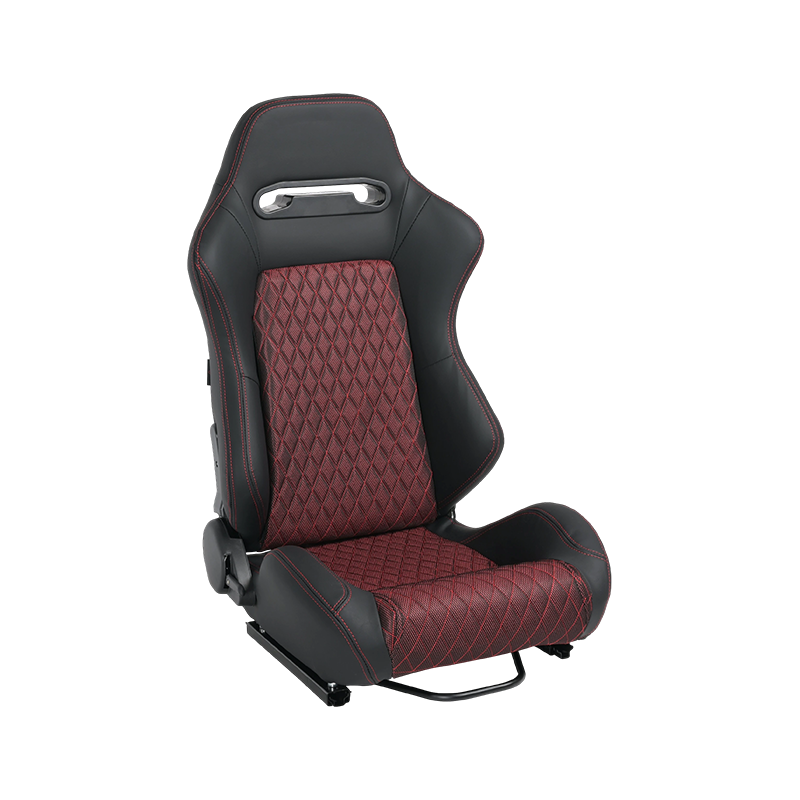
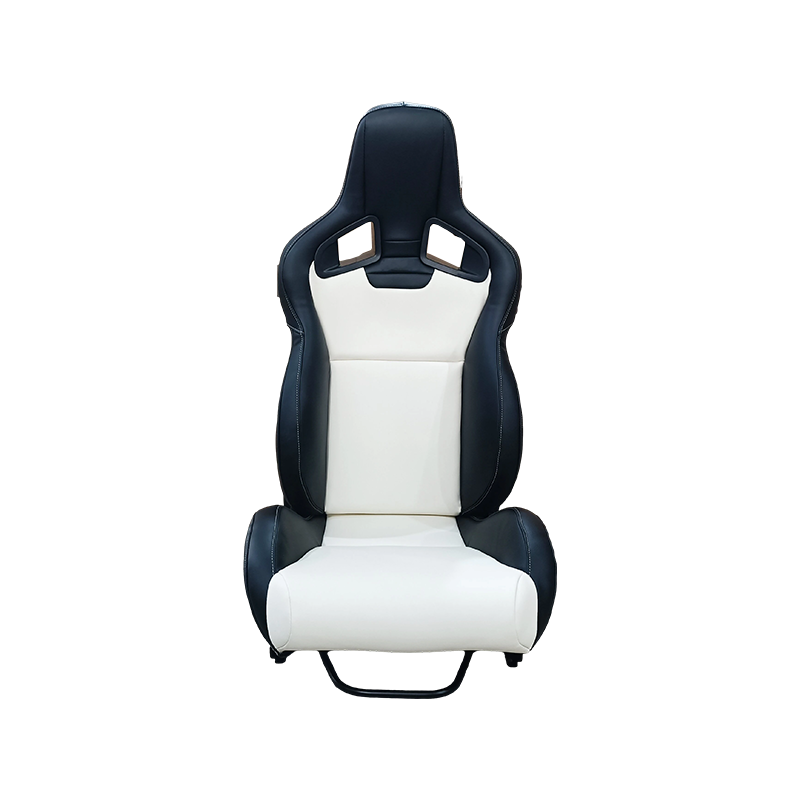
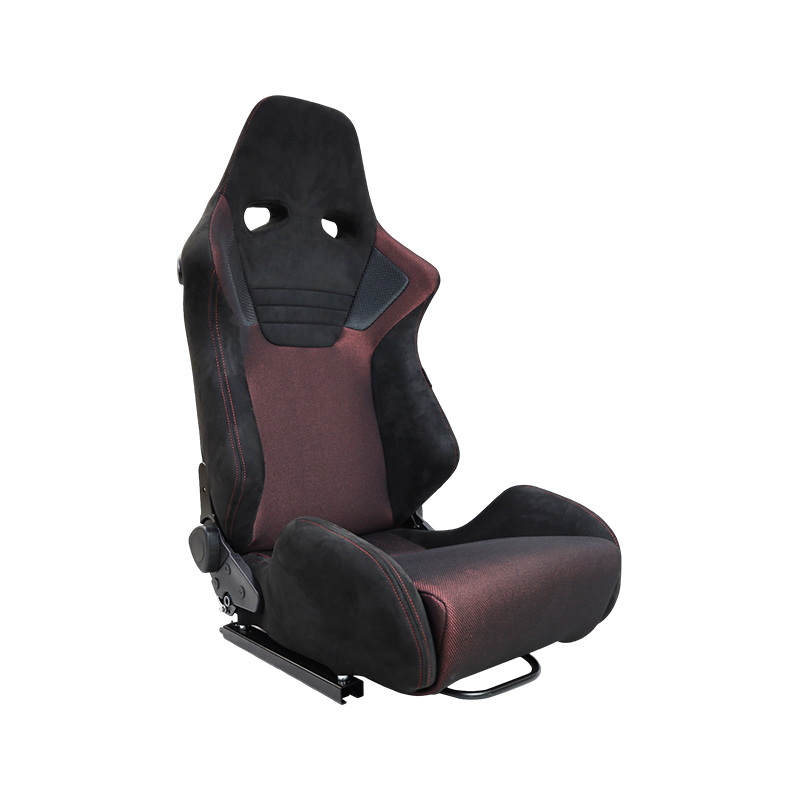
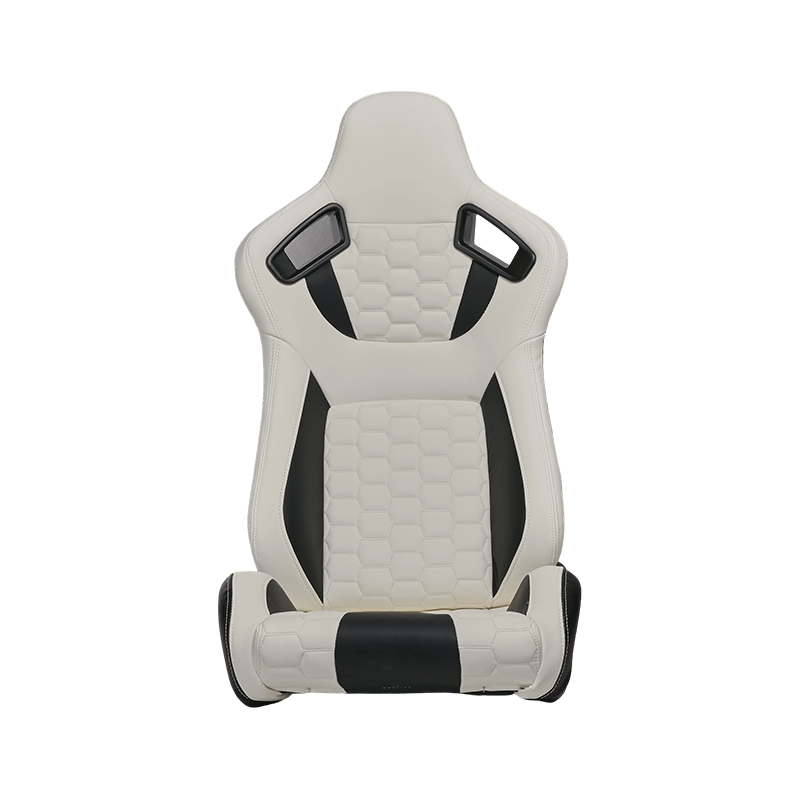
A bucket seat normally uses a contoured shell with raised side bolsters around the hips, thighs, and torso. The structure is designed to keep the body in a relatively fixed position during steering and braking.
Recent sim-racing guidance describes bucket seats as particularly suitable for competitive driving because the side bolsters help keep the torso stable. Reclining or flatter designs generally provide easier entry, greater backrest adjustment, and a less restrictive seating experience.
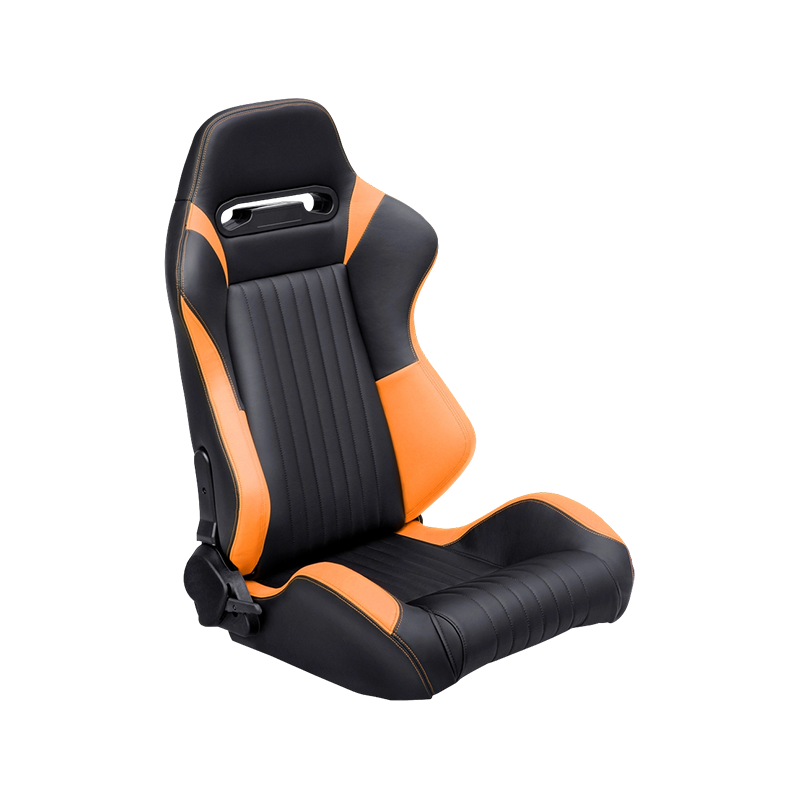
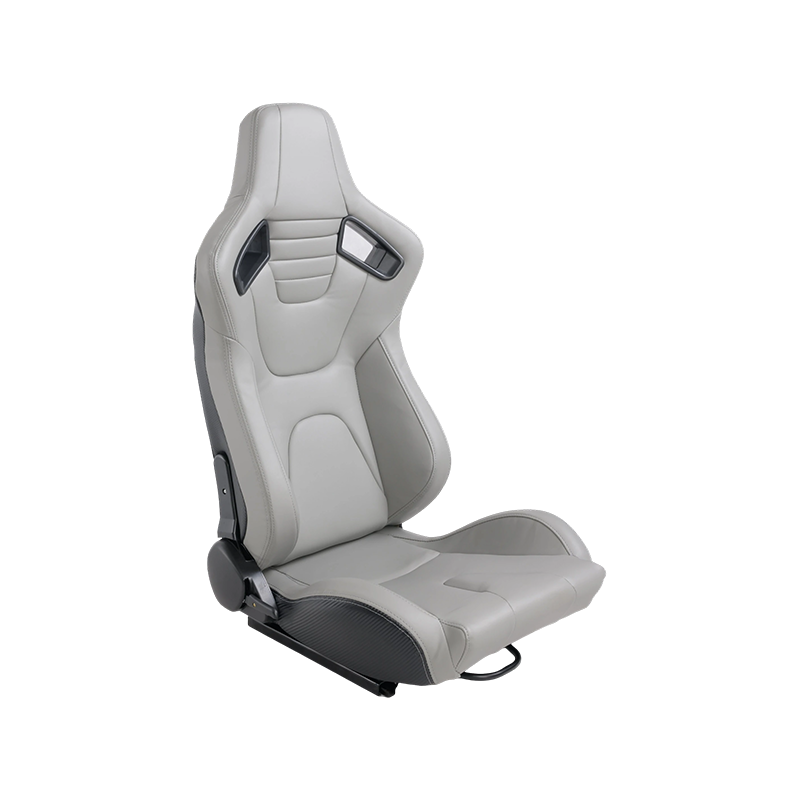
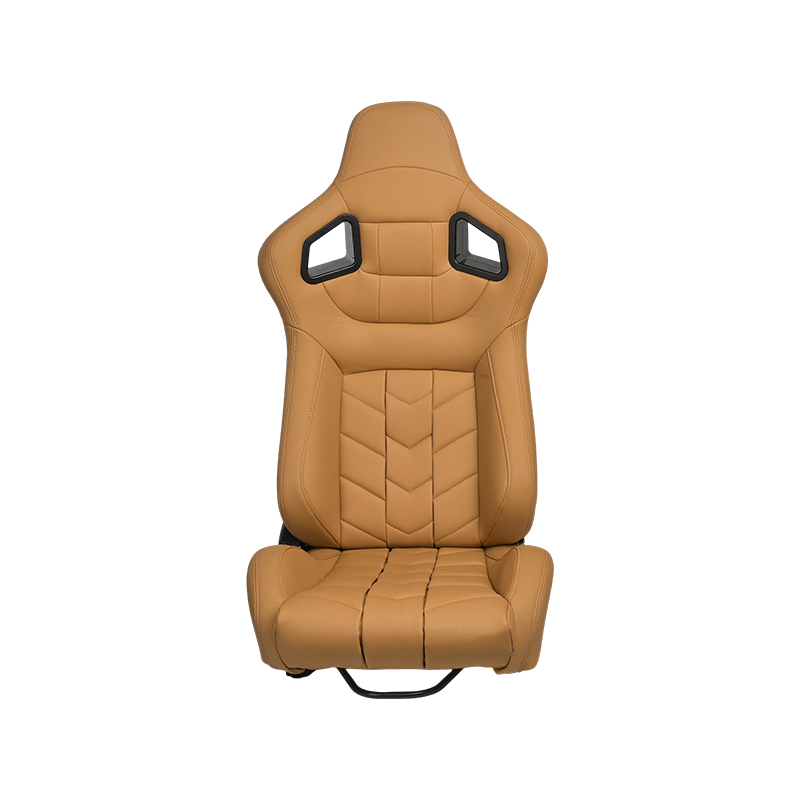
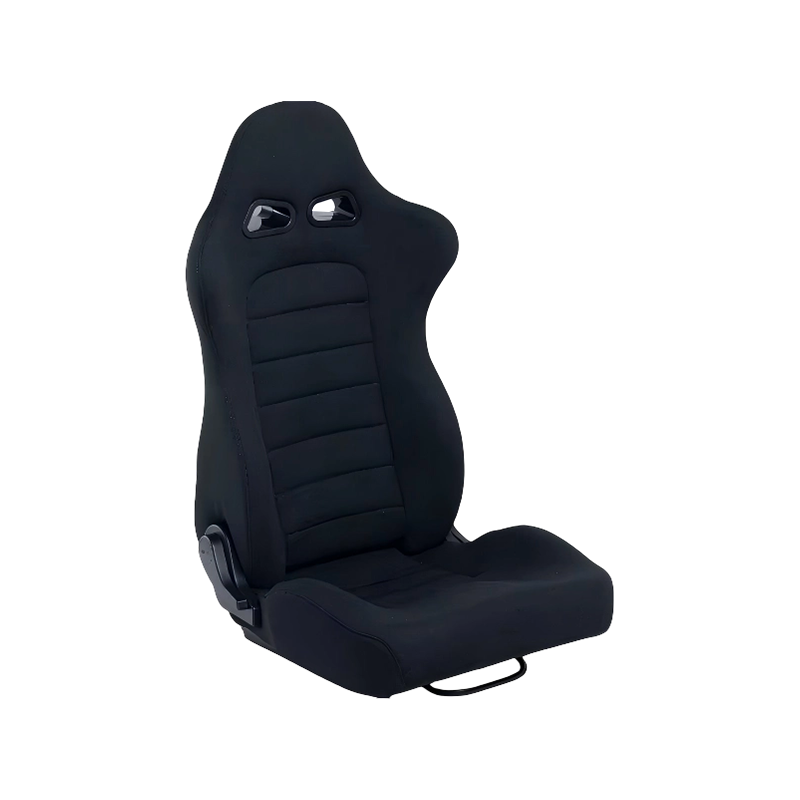
A flatter racing seat does not necessarily mean an ordinary office chair. Many sport-style seats use moderate bolsters rather than the deep contours found on a full bucket design.
This approach can be useful for players who use their rig for several types of games. A moderately contoured seat can accommodate racing titles while remaining suitable for driving games, casual gaming, watching videos, or longer sessions.
Recent community discussions show that some sim racers prefer reclining or less restrictive seats because bucket designs can feel firm or restrictive outside racing. Others report that bucket seats provide valuable support during braking and steering.
Body movement is not necessarily a disadvantage. The important question is whether movement occurs at the right time and in the right direction.
| Seat Design | Body Support | Movement | Suitable Use |
| Deep bucket | High lateral support | Limited | Competitive racing and strong pedal setups |
| Sport bucket | Moderate to high | Limited to moderate | GT, touring, and mixed racing |
| Flat sport seat | Moderate | Greater | Casual racing and mixed gaming |
| Reclining seat | Moderate | Adjustable | Long sessions and multi-purpose rigs |
For high-force braking, a rigid and supportive seat can give the driver a stable surface against which to brace. This becomes increasingly relevant with load-cell pedals, where braking pressure depends on applied force rather than simply pedal travel.
Pedal hardware can influence the type of seat that makes sense. A basic pedal set may not require extensive side support, while a high-resistance load-cell system can produce substantially greater body loading during hard braking.
A rigid Sport Game Racing Car Seats design can help the driver keep the pelvis and torso in a repeatable position. That stable reference can also make it easier to judge pedal pressure from lap to lap.
However, excessive bolstering can become inconvenient. Large side wings around the thighs may restrict leg movement or make entering and leaving the cockpit less convenient. Seat width and bolster shape therefore deserve attention alongside shell rigidity.
Two bucket seats can have completely different levels of comfort despite looking similar. The usable hip width, shoulder width, thigh area, and bolster height determine how closely the shell fits the driver.
A tight bucket can provide strong body retention but may become distracting during long sessions. A wider sport seat provides additional freedom but may allow more body movement under heavy braking.
Not every racing game demands the same seating characteristics.
| Game Style | Useful Seat Characteristics |
| GT racing | Moderate bolsters and stable hip support |
| Formula racing | Low, highly supportive, reclined positioning |
| Rally simulation | Firm lateral support with accessible controls |
| Arcade racing | Comfort and easier movement may matter more |
| Mixed gaming | Moderate bolstering and adjustable recline |
Simulator manufacturers also distinguish between fixed bucket designs for competition-focused use and reclining seats aimed at comfort or mixed applications.
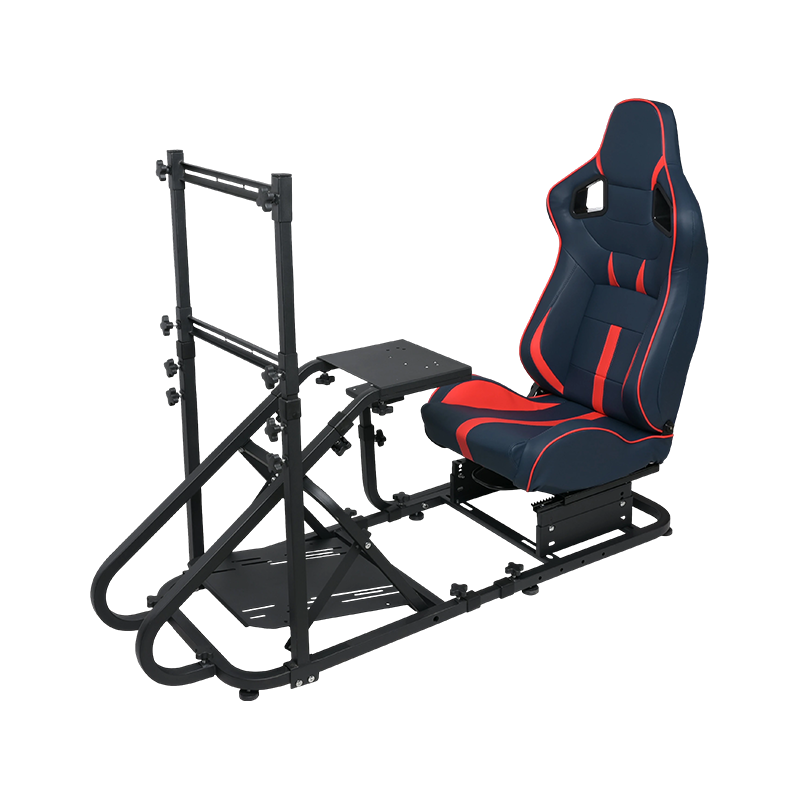
The seat shell is only part of the equation. Side mounts, bottom mounts, sliders, and mounting brackets determine how the seat connects to the cockpit.
A fixed bucket with rigid side brackets can provide a very direct connection to the frame. Adding sliders introduces forward and backward adjustment, which can be useful for different drivers. A reclining mechanism adds another variable by allowing the backrest angle to change.
Current simulator mounting guides note that side-mounted bucket seats generally offer substantial control over seat height and angle, while bottom-mounted designs can simplify installation but may provide different mounting limitations.
Not necessarily. A flatter design can work well when the simulator uses moderate pedal forces, when several people share the cockpit, or when the rig serves both racing and general gaming purposes.
The key difference is body retention. A bucket seat physically defines the driver's seating position, while a flatter seat leaves more freedom for the driver to reposition the hips and legs.
That distinction can also affect the cockpit setup. With a flatter seat, the driver may rely more heavily on the backrest, pedal position, and wheel adjustment to maintain a consistent posture.
The choice between bucket and flat-style Sport Game Racing Car Seats should start with the way the simulator will actually be used.
Sport Game Racing Car Seats are not simply about appearance. The contour of the seat determines how firmly the body is positioned, how much freedom the legs have, and how the driver interacts with the pedals and steering wheel.
Bucket seats provide a more enclosed and stable driving position, while flatter or moderately bolstered seats offer greater freedom and versatility. Neither approach has to dominate every simulator. The better match comes from connecting seat shape with pedal force, racing style, body dimensions, and intended usage.
That makes seat design an important part of simulator engineering rather than a cosmetic decision. The shell, padding, mounting system, and cockpit geometry should work together to create the driving position the game actually demands.
Hot Products

If you are interested in our products, please consult us!
contact us
E-mail: [email protected]
Tel: +86-577 6681 1072+86-577 6556 8920
WeChat / WhatsApp: +86-139 5884 2868
Add: Jiangnan Avenue Economic Development Zone, Nanbin Street, Ruian, zhejiang, China.
Copyright © by Ruian JIABEIR Auto Parts Co., Ltd. Rights Reserved.
Car Seats Manufacturer & Custom Modified Car Seats


 English
 русский
 Español
 Português