Sep 18, 2026
A racing simulator can use the same steering wheel, pedals, and display while producing a noticeably different driving sensation simply by changing the seat angle. A few degrees of adjustment can alter the driver's hip position, knee angle, steering reach, and relationship with the pedals.
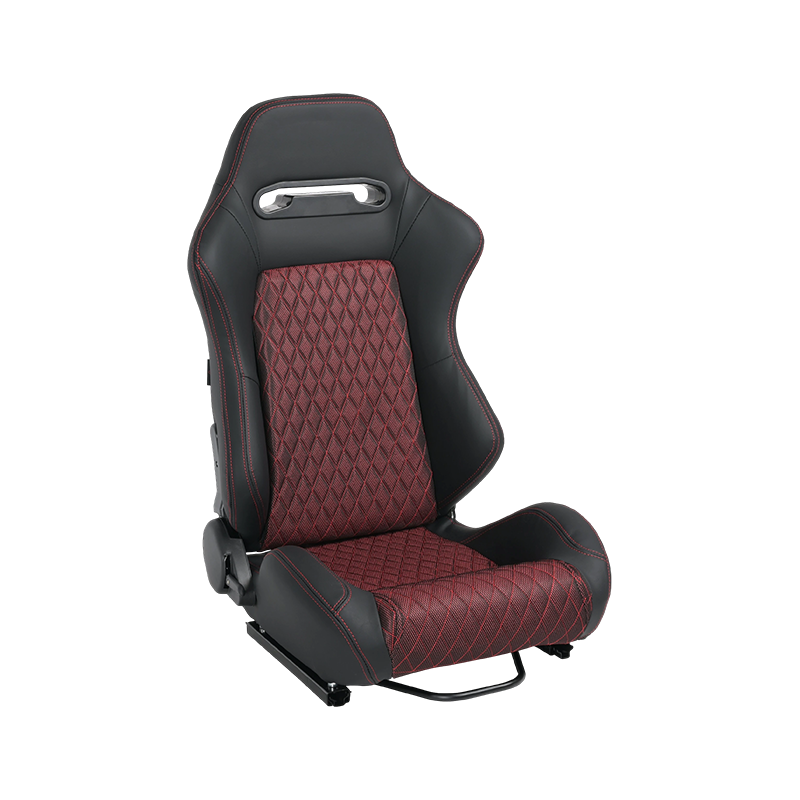
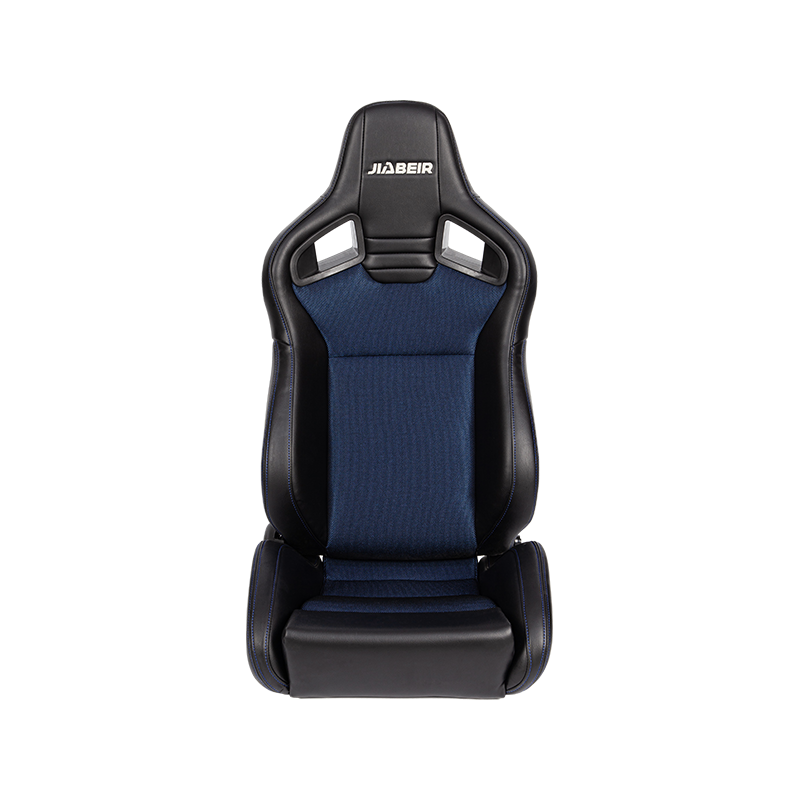
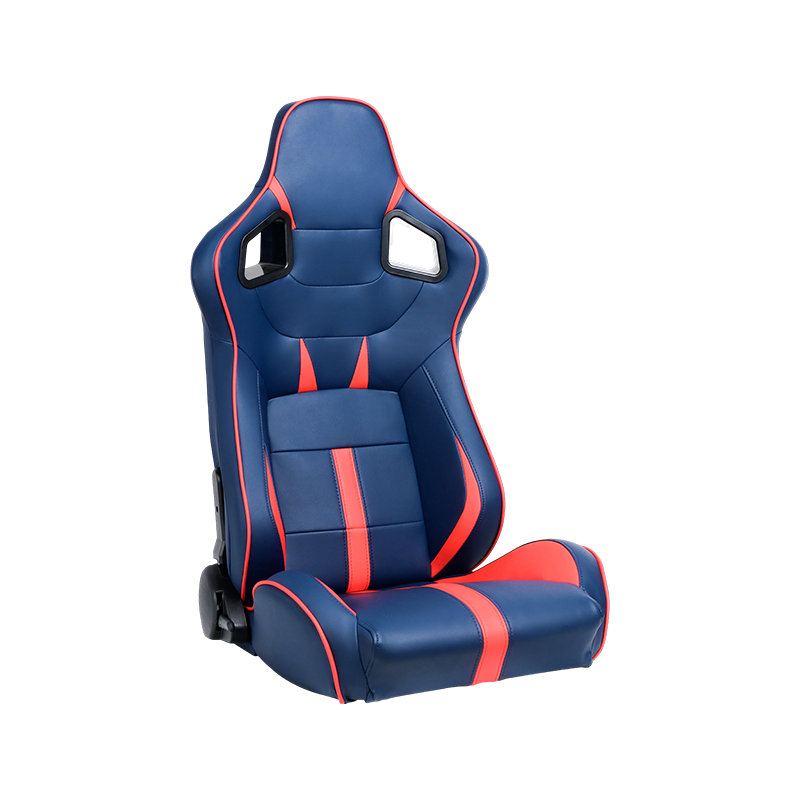
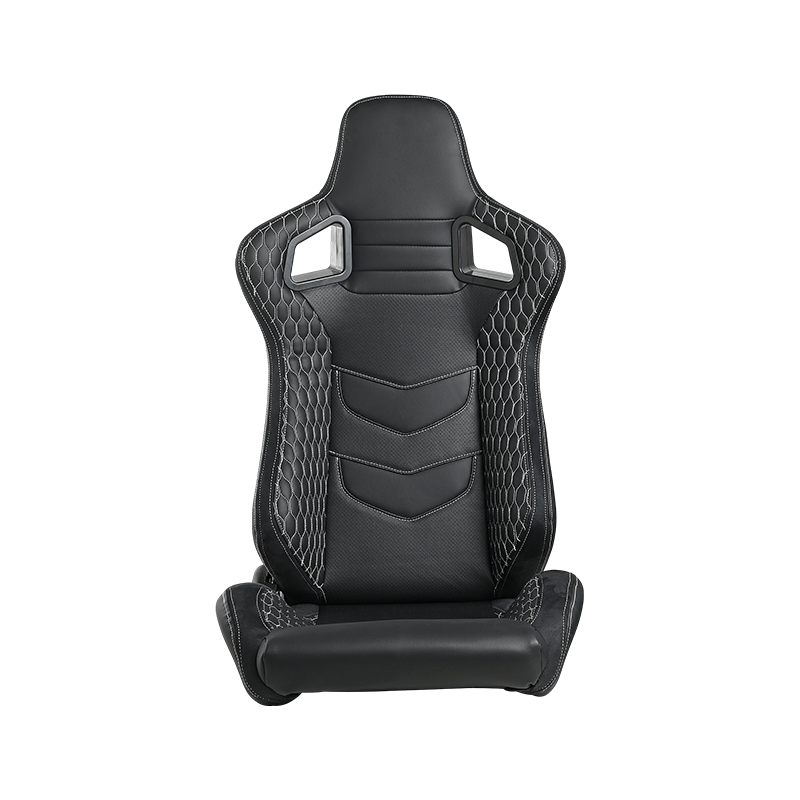
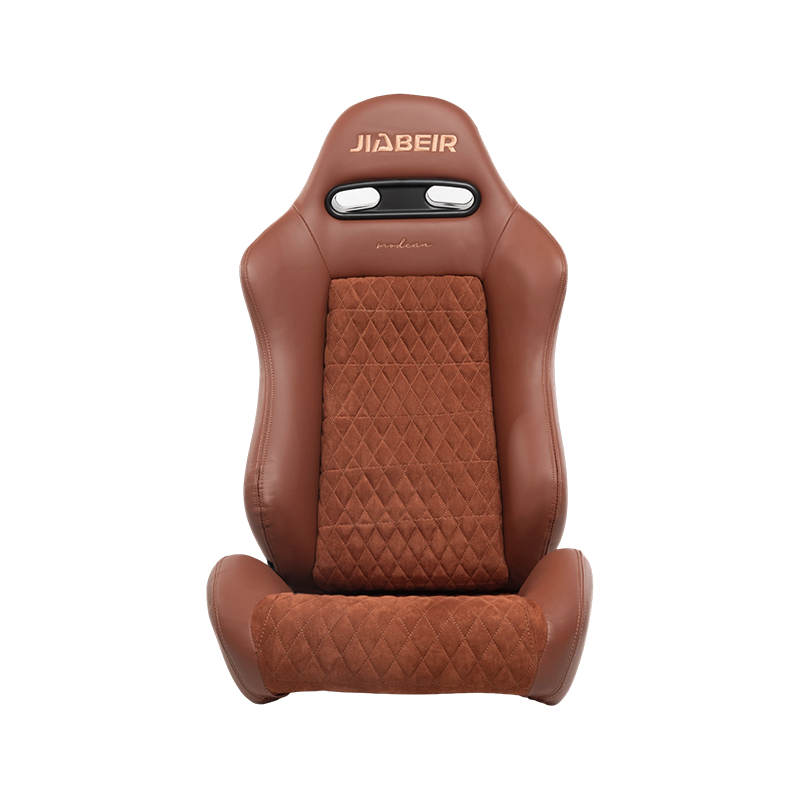
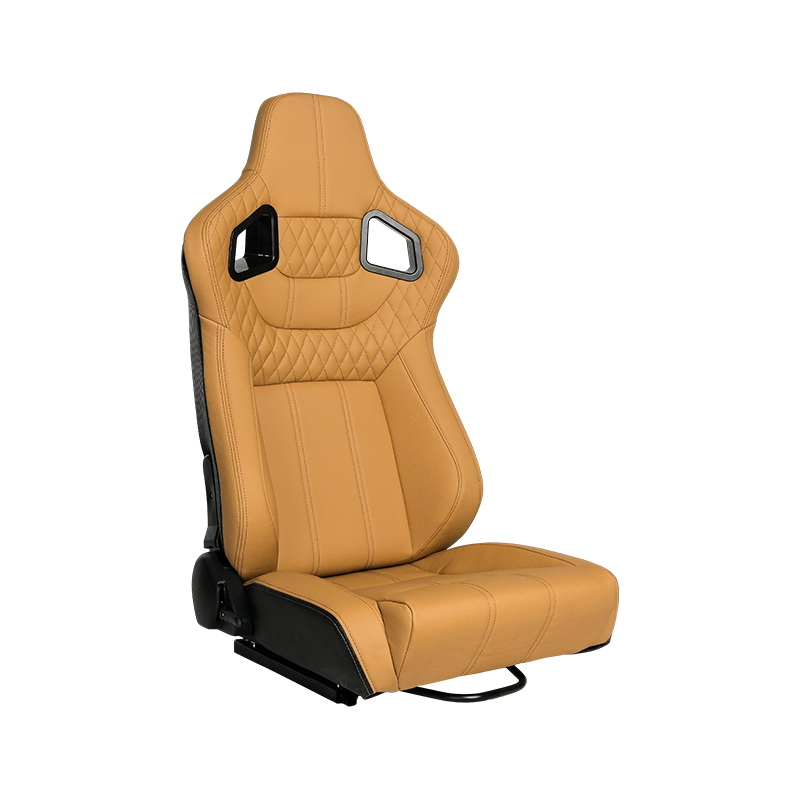
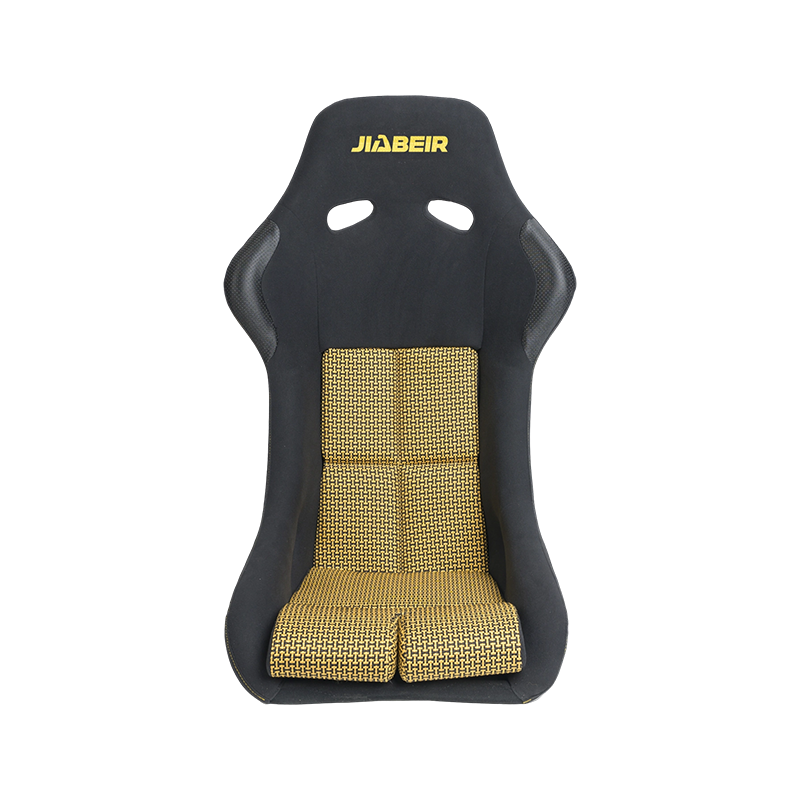
This is why a Racing Simulator Modified Car Seat is not merely a replacement for a standard vehicle seat. Its mounting angle and adjustment structure can become part of the simulator's overall geometry, especially when a cockpit is built around a specific GT, rally, or Formula-style driving position.
The seat is the physical reference point for almost every control in a simulator. Moving the backrest or changing the seat pan angle changes where the driver's hips and shoulders sit relative to the steering wheel and pedals.
Current simulator seating guides distinguish GT and Formula positions partly through these geometric differences. Formula layouts generally use a considerably more reclined torso and more forward leg position, while GT layouts remain relatively upright.
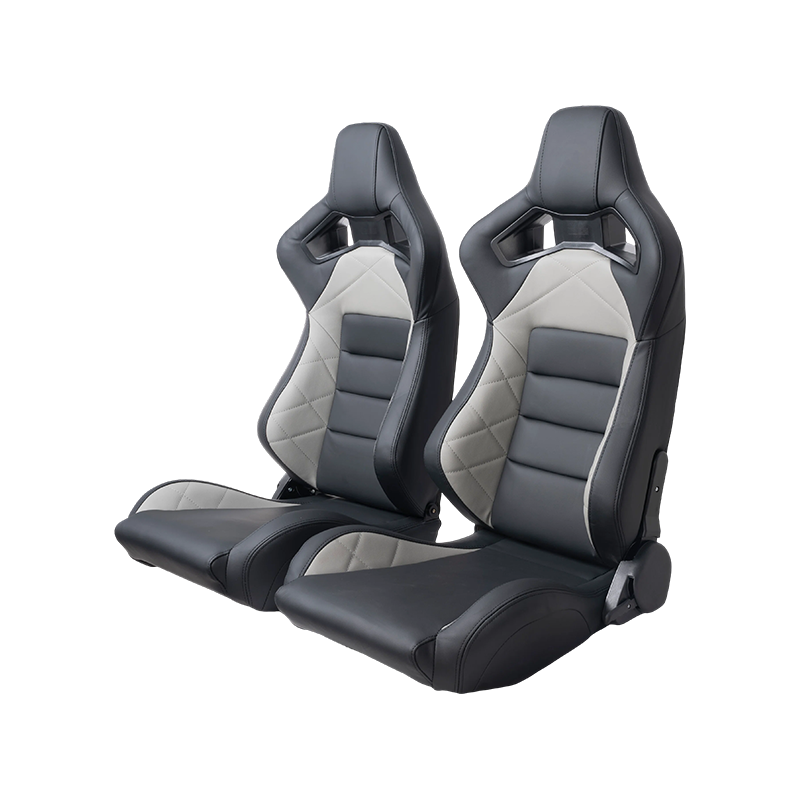
There is no universal seat angle that suits every racing simulation. The intended driving discipline can influence the entire seating arrangement.
| Driving Style | Seat Position | Pedal Relationship | Typical Focus |
| GT | Moderately reclined | Pedals relatively forward | Balanced control position |
| Formula | Deeply reclined | Pedals higher and farther forward | Extended leg position |
| Rally | Relatively upright | Conventional pedal relationship | Quick steering movement |
| Touring | Moderate recline | Lower or mid-level pedal position | Versatile road-racing posture |
A recent simulator seating guide places GT-style recline roughly around 10–25 degrees from vertical and Formula-style positioning around 30–40 degrees, illustrating how substantial the geometric difference can become.
Changing a Racing Simulator Modified Car Seat angle without considering the pedal assembly can create an awkward driving position.
As the seat becomes more reclined, the driver's legs extend in a different direction. Formula-style simulator designs therefore commonly raise the pedals to maintain a natural relationship between the thighs, knees, ankles, and feet. Simply reclining the seat while leaving floor-mounted pedals unchanged does not reproduce the same geometry.
Pedal travel becomes particularly important during heavy braking. Several current seating guides reference a knee angle around 120–135 degrees at full pedal depression for GT-style positions, with Formula setups using a somewhat straighter leg position.
A useful setup should allow the driver to press the brake fully while keeping the back supported against the seat. Excessive leg extension can reduce the feeling of support, while an overly compressed position can make the cockpit feel restrictive.
Seat angle also changes steering-wheel reach. Reclining the torso moves the shoulders backward, so a wheel that felt correctly positioned in an upright setup may suddenly feel too far away.
Some current simulator guidance recommends positioning the wheel around the sternum-to-lower-rib region and checking elbow bend rather than relying only on a fixed measurement.
A Racing Simulator Modified Car Seat becomes more useful when its mounting system allows angle changes without requiring structural modification to the cockpit.
Side brackets with multiple mounting holes are one example. Commercial simulator brackets can use steel construction and several mounting positions to provide seat-angle adjustment. Some systems offer approximately 20 degrees of adjustment through their mounting slots.
| Mounting Feature | Possible Benefit |
| Multiple mounting holes | Allows different seat-back angles |
| Slotted brackets | Provides finer positioning |
| Rigid steel side mounts | Reduces unwanted seat movement |
| Seat sliders | Changes driver-to-pedal distance |
Not necessarily. A heavily reclined position may look closer to a Formula cockpit, but visual similarity does not guarantee suitable control geometry.
A recent simulator ergonomics guide points out that excessive recline can cause several practical problems: the driver may need to reach toward the wheel, the shoulders can lose contact with the seat, or the body can slide downward under braking.
The important question is therefore not simply how far the seat can tilt. It is whether the seat angle works together with the pedal height, steering-wheel location, hip position, and driver's body dimensions.
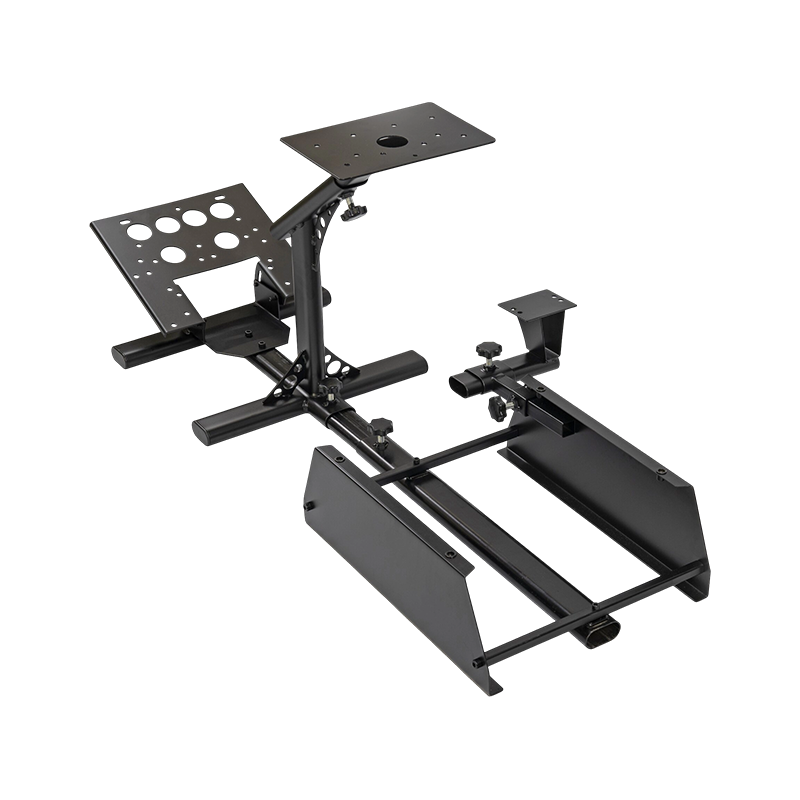
The influence of a Racing Simulator Modified Car Seat extends beyond the seat itself. Changing its angle can require corresponding changes to the pedals and steering wheel.
This sequence treats the seat as a structural part of the simulator rather than an isolated accessory.
A Racing Simulator Modified Car Seat can influence how a simulator feels because it determines the driver's physical relationship with the controls. A moderate GT posture, a deeply reclined Formula position, and a more upright rally configuration each create a different combination of hip, knee, arm, and pedal geometry.
The real benefit of an adjustable or modified racing seat is therefore not simply a larger recline range. It is the ability to build a seating position around the complete cockpit. Once the seat, pedals, and steering wheel work from the same geometric reference, the simulator can feel considerably more natural and consistent across different racing styles.
Hot Products

If you are interested in our products, please consult us!
contact us
E-mail: [email protected]
Tel: +86-577 6681 1072+86-577 6556 8920
WeChat / WhatsApp: +86-139 5884 2868
Add: Jiangnan Avenue Economic Development Zone, Nanbin Street, Ruian, zhejiang, China.
Copyright © by Ruian JIABEIR Auto Parts Co., Ltd. Rights Reserved.
Car Seats Manufacturer & Custom Modified Car Seats


 English
 русский
 Español
 Português