Aug 28, 2026
The image of a professional racing simulator once belonged mainly to motorsport teams, training centers, and dedicated gaming facilities. Today, compact home setups are changing how enthusiasts experience virtual racing. Smaller rooms, improved simulation hardware, and growing interest in realistic driving experiences have created new demand for space-efficient cockpit designs.
For companies working as a sim racing cockpit supplier, the market is no longer focused only on large professional rigs. Home drivers are searching for products that combine realistic driving positions, strong frame structures, easy installation, and flexible upgrades. Modern compact cockpits are designed to bring racing-style immersion into apartments, gaming rooms, and personal entertainment spaces. Market research shows continued expansion of the sim racing cockpit sector, supported by esports participation, improved simulation technology, and demand for immersive home experiences.
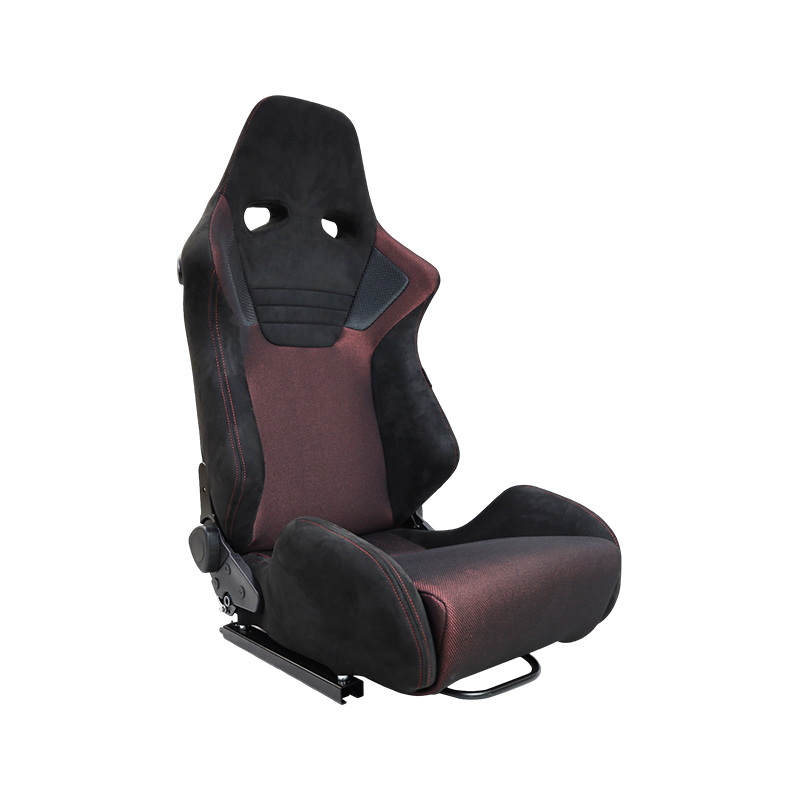
Space has become an important consideration for many sim racing enthusiasts. Traditional racing simulators often require dedicated rooms, large monitor systems, and complex installation structures. Compact cockpit designs provide an alternative by reducing the footprint while maintaining essential driving functions.
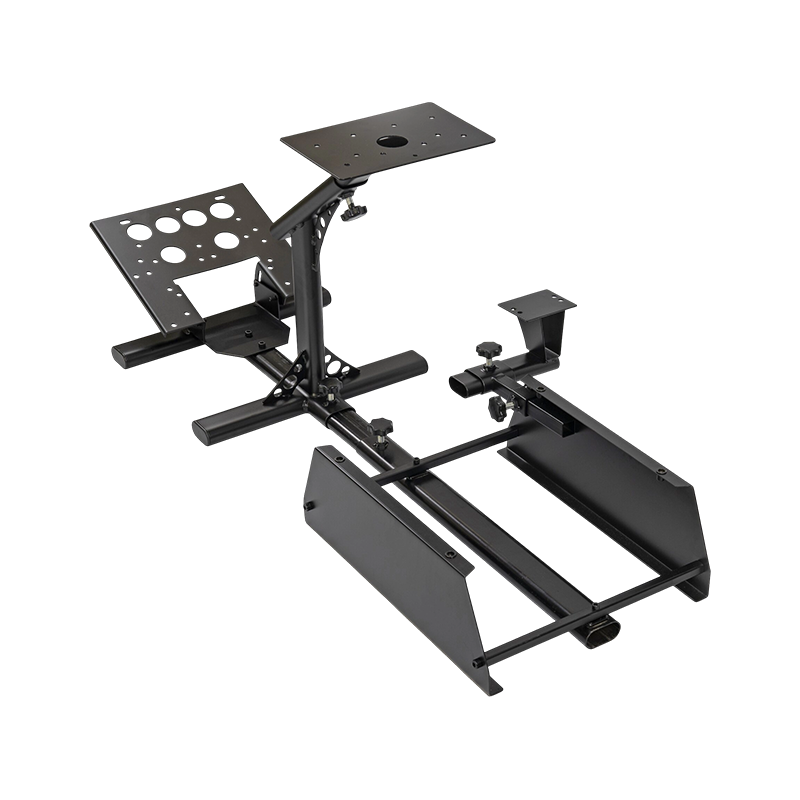
A modern home cockpit usually integrates the main components needed for realistic simulation:
As direct-drive wheel systems become more popular, cockpit stability has become a key requirement. Higher torque feedback systems require rigid frames that can reduce unwanted movement and maintain consistent driving feedback.
A compact cockpit is not simply a smaller version of a traditional racing frame. Designers need to balance size limitations with structural strength, adjustment capability, and user comfort.
| Design Element | Typical Specification | Value for Home Drivers |
| Frame Material | Steel tubing or aluminum profile | Provides stable support with different weight options |
| Adjustable Components | Sliding seat rails, adjustable wheel height, pedal angle adjustment | Fits different driver sizes |
| Footprint | Compact layouts designed for home rooms | Requires less installation space |
| Upgrade Support | Compatible with wheels, pedals, monitors, and accessories | Allows future expansion |
The role of a professional sim racing cockpit supplier is increasingly connected with creating adaptable solutions rather than only producing fixed structures. Home users want a cockpit that can grow with their equipment investment.
The popularity of simulation racing comes from the ability to reproduce many elements of real driving. A stable cockpit provides the foundation for these experiences because it keeps controls positioned correctly.
A weak frame may create movement during steering input or heavy braking, reducing the feeling of realism. A properly engineered cockpit maintains alignment between the wheel, pedals, and seat, allowing drivers to focus on vehicle control.
Material selection influences strength, appearance, weight, and customization options. Different users may have different expectations depending on their simulation level and available space.
| Material | Main Characteristics | Suitable Application |
| Steel Tube | Strong structure and practical cost | Entry and mid-range home setups |
| Aluminum Profile | Modular design with high adjustment flexibility | Advanced enthusiasts and upgrade-focused users |
| Composite Components | Lightweight appearance and customized styling options | Special design applications |
Aluminum profile systems are especially popular among advanced users because their modular structure allows changes to mounting positions and accessories. Steel frames remain attractive for users who need a sturdy solution with straightforward assembly.
The home sim racing community includes casual gamers, competitive online racers, content creators, and professional drivers who use simulation tools for practice. Each group has different requirements.
The development of different cockpit categories reflects the expanding role of simulation racing. From simple wheel stands to advanced motion platforms, products are becoming more specialized for different levels of users.
Many sim racers begin with basic equipment and gradually improve their systems. A cockpit that supports future upgrades can provide better long-term value.
Important upgrade considerations include:
Community discussions also show that many enthusiasts customize their rigs over time, adding accessories and improving immersion rather than replacing the entire setup.
The growth of compact racing setups reflects a wider change in how people experience motorsports. Drivers no longer need access to a physical race track to enjoy realistic racing environments. Improved hardware, flexible designs, and smaller footprints have made simulation racing more accessible.
For a sim racing cockpit supplier, understanding home user expectations has become essential. Modern buyers are looking for products that combine structural stability, ergonomic design, compatibility, and upgrade potential.
Compact cockpits represent a practical bridge between casual gaming and professional simulation. With continued improvements in racing software, hardware feedback systems, and modular designs, home racing setups are becoming more immersive while fitting naturally into everyday living spaces.
Hot Products

If you are interested in our products, please consult us!
contact us
E-mail: [email protected]
Tel: +86-577 6681 1072+86-577 6556 8920
WeChat / WhatsApp: +86-139 5884 2868
Add: Jiangnan Avenue Economic Development Zone, Nanbin Street, Ruian, zhejiang, China.
Copyright © by Ruian JIABEIR Auto Parts Co., Ltd. Rights Reserved.
Car Seats Manufacturer & Custom Modified Car Seats


 English
 русский
 Español
 Português