Sep 04, 2026
A racing simulator may be shared by family members, friends, customers, or multiple drivers in a gaming room. The challenge is not simply finding a comfortable seat. Different body proportions can change the required distance to the pedals, steering wheel height, backrest angle, and hip position.
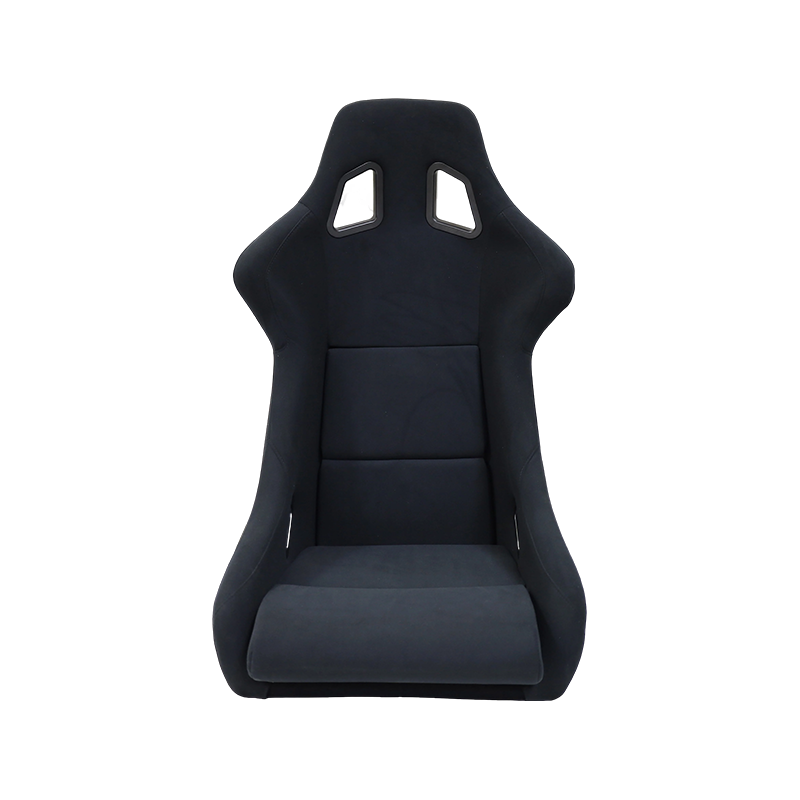
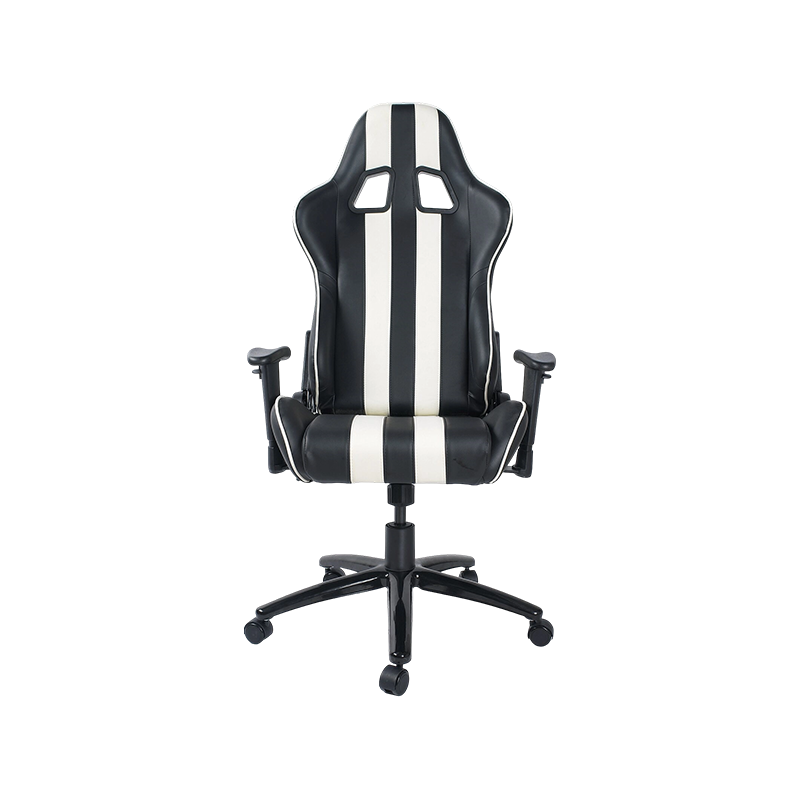
This is where an Adjustable Car Racing Seat becomes more than a comfort feature. A well-designed adjustable seat can help the same simulator accommodate drivers with different heights and leg lengths without rebuilding the entire cockpit.
Two drivers with the same overall height can still have very different leg, torso, and arm proportions. A fixed racing seat may work well for one person but feel cramped or stretched for another.
Recent simulator seating guidance recommends keeping a slight knee bend at full pedal travel while maintaining back support. This makes seat-to-pedal distance an important adjustment rather than a minor convenience.
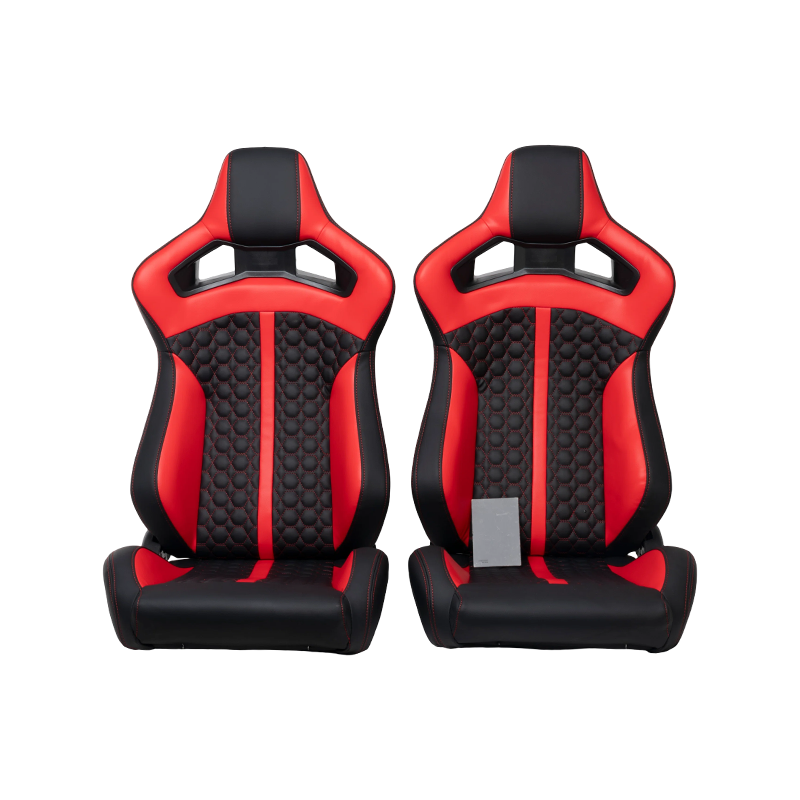
An Adjustable Car Racing Seat can use several mechanisms to accommodate different users. Seat sliders handle horizontal movement, while side brackets or reclining mechanisms can modify the backrest position and seating angle.
Seat rails are particularly useful for shared racing simulators. A shorter driver may need the seat closer to the pedals, while a taller driver may require additional legroom. Some simulator designs provide around 160 mm of seat travel, giving users a practical range for different body sizes.
Backrest adjustment changes the relationship between the driver's torso and steering wheel. A relatively upright position can suit GT-style driving, while a deeper recline may suit Formula-style simulator layouts. Current simulator designs can offer wide recline ranges, such as approximately 85° to 145°.
Mounting brackets can provide another layer of adjustment. Multi-hole side brackets may allow changes to seat height and rake without modifying the seat shell itself. Some universal bracket systems also provide vertical adjustment and backward inclination.
| Adjustment | Typical Function | Why It Matters |
| Seat travel | Forward / backward movement | Matches different leg lengths |
| Backrest angle | Upright to reclined position | Changes torso and steering-wheel relationship |
| Mounting slots | Height and rake adjustment | Helps fine-tune seating geometry |
| Seat width | Available hip and shoulder space | Affects side support and fit |
| Rail construction | Sliding mechanism | Supports repeated position changes |
A common mistake is to adjust only the seat and leave the rest of the simulator untouched. Moving the seat forward changes the driver's relationship with the steering wheel. Changing the backrest angle also changes reach and visual position.
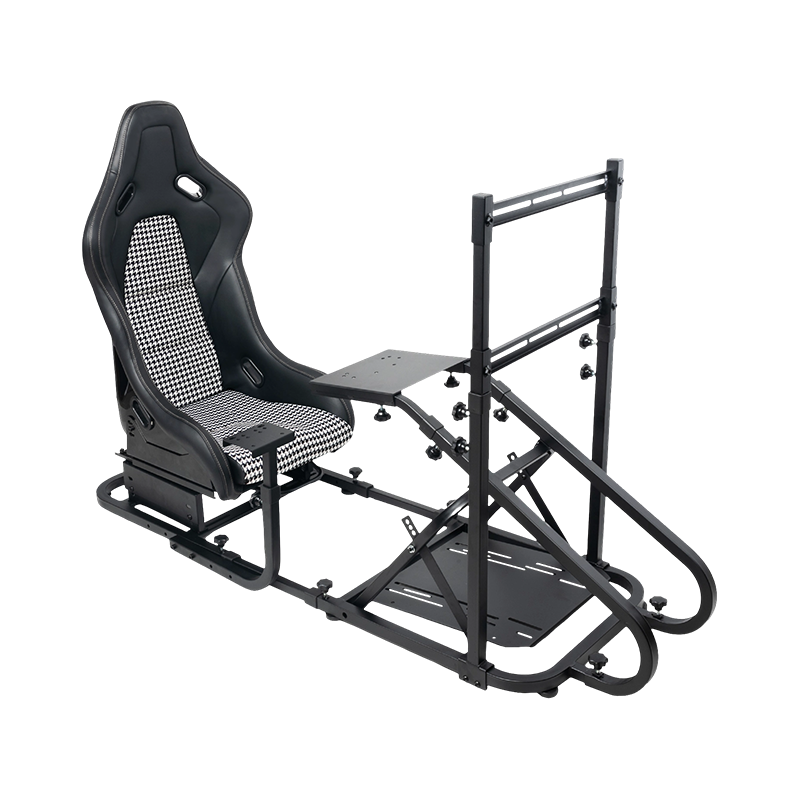
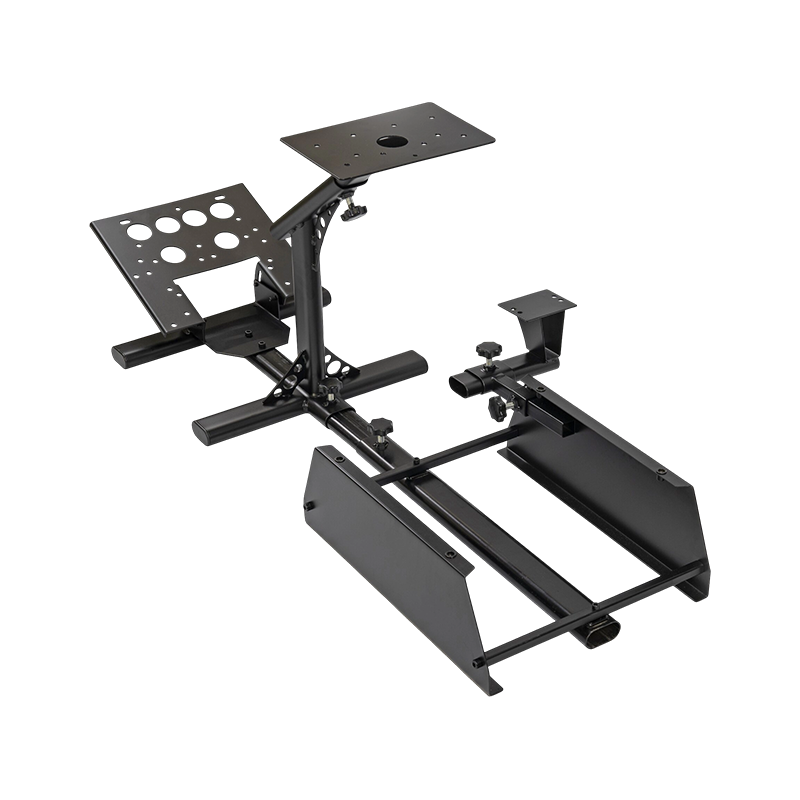
A shared cockpit therefore works better when the seat adjustment is coordinated with the pedals and wheelbase. Some current simulator platforms provide separate adjustments for wheel height, wheel angle, pedal distance, and seat position, allowing the entire driving position to be reconfigured around the user.
This approach makes an Adjustable Car Racing Seat particularly useful for commercial simulator centers, home cockpits used by several people, racing clubs, and gaming rooms.
Adjustment range should be evaluated together with the seat structure. A large slider range has limited value if the mounting pattern does not match the simulator frame.
An Adjustable Car Racing Seat does not need to be designed around a single body type. Seat travel, recline angle, mounting slots, and cockpit geometry can work together to create different driver positions from the same hardware.
The real value of adjustability is therefore flexibility. Rather than treating the racing seat as a fixed component, simulator designers and users can treat it as part of the cockpit's overall geometry. That approach makes it easier to accommodate different drivers while preserving a consistent relationship between the seat, pedals, steering wheel, and display.
Hot Products

If you are interested in our products, please consult us!
contact us
E-mail: [email protected]
Tel: +86-577 6681 1072+86-577 6556 8920
WeChat / WhatsApp: +86-139 5884 2868
Add: Jiangnan Avenue Economic Development Zone, Nanbin Street, Ruian, zhejiang, China.
Copyright © by Ruian JIABEIR Auto Parts Co., Ltd. Rights Reserved.
Car Seats Manufacturer & Custom Modified Car Seats


 English
 русский
 Español
 Português