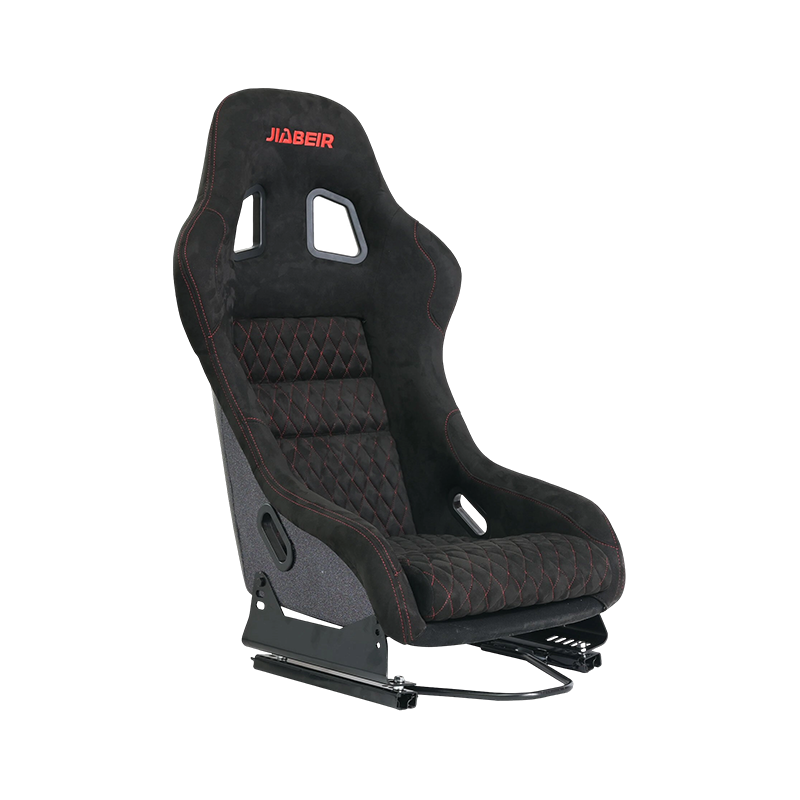
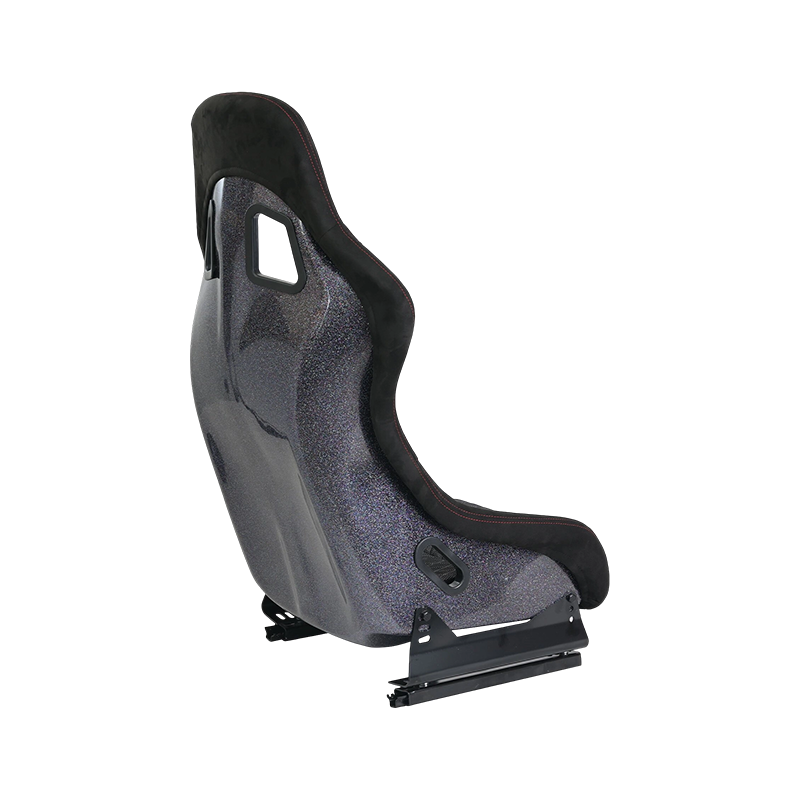
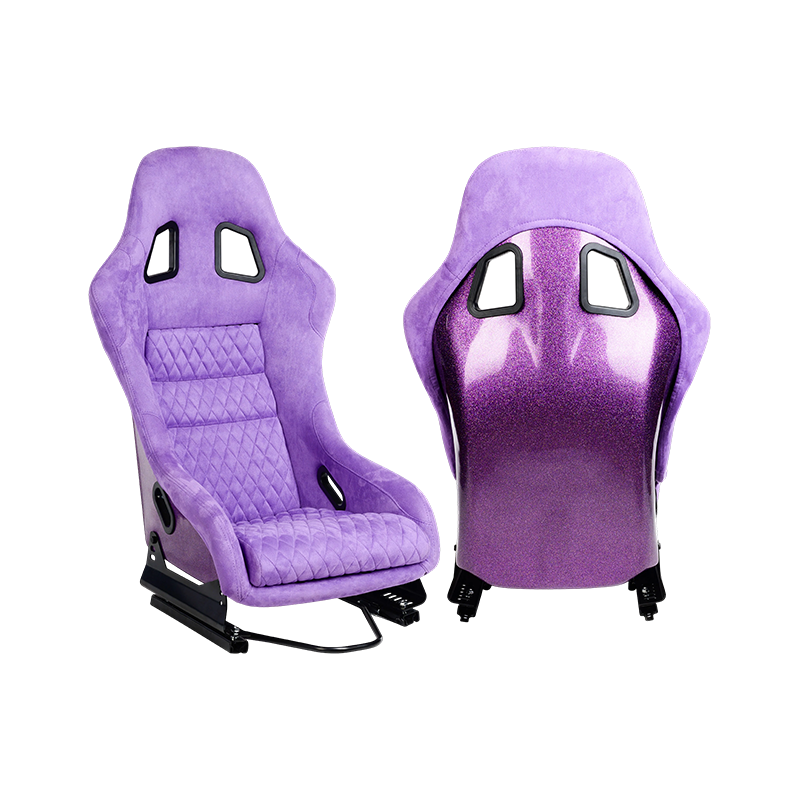
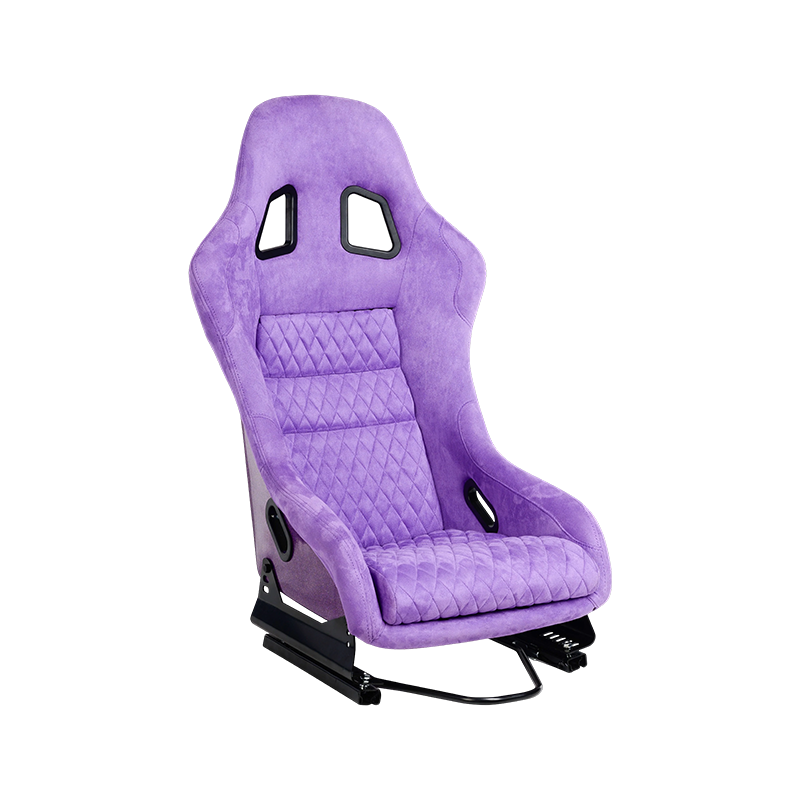
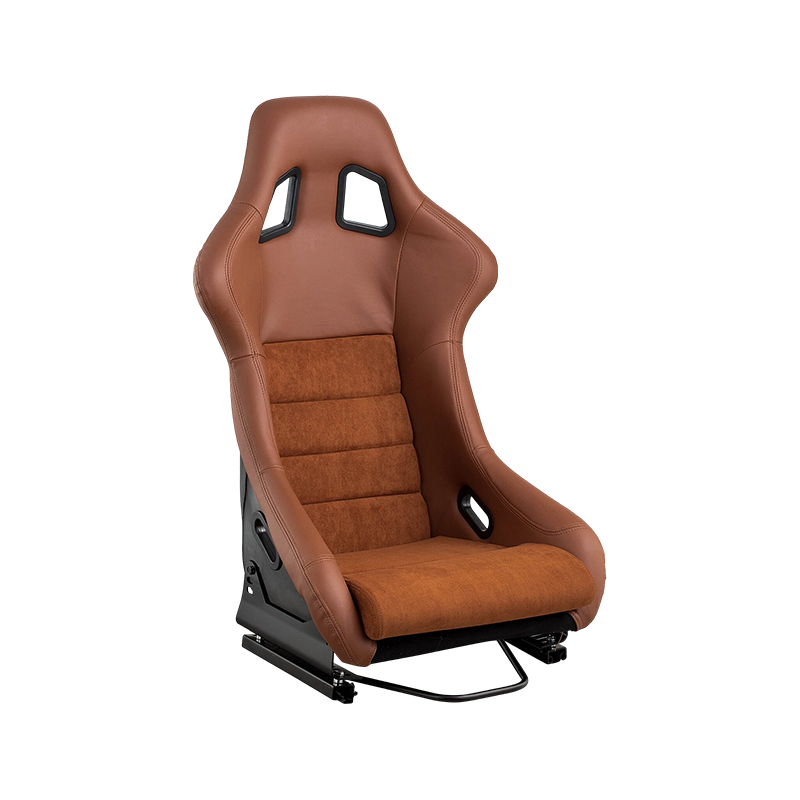
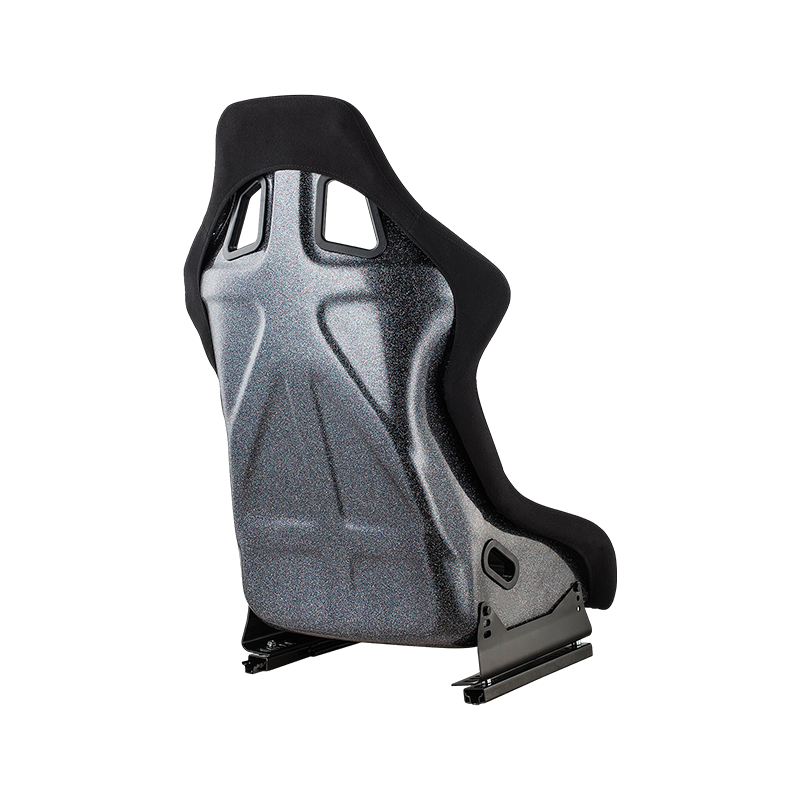
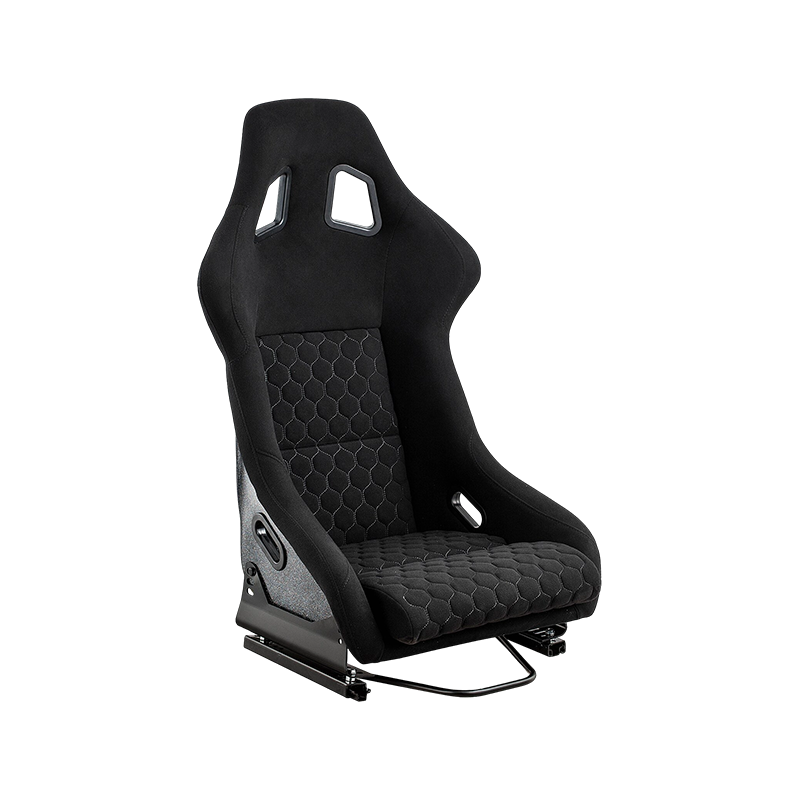
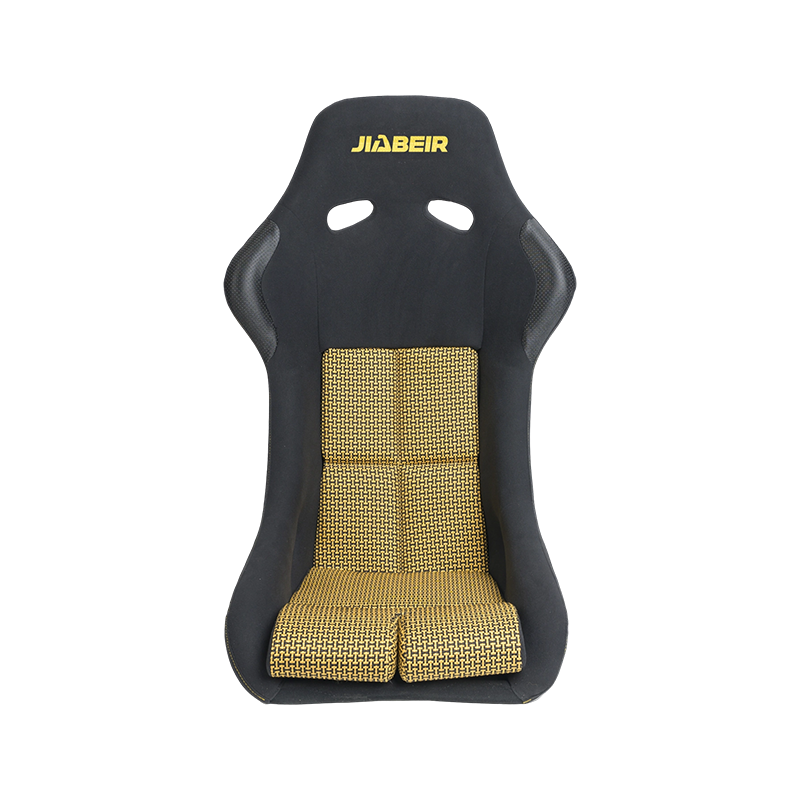
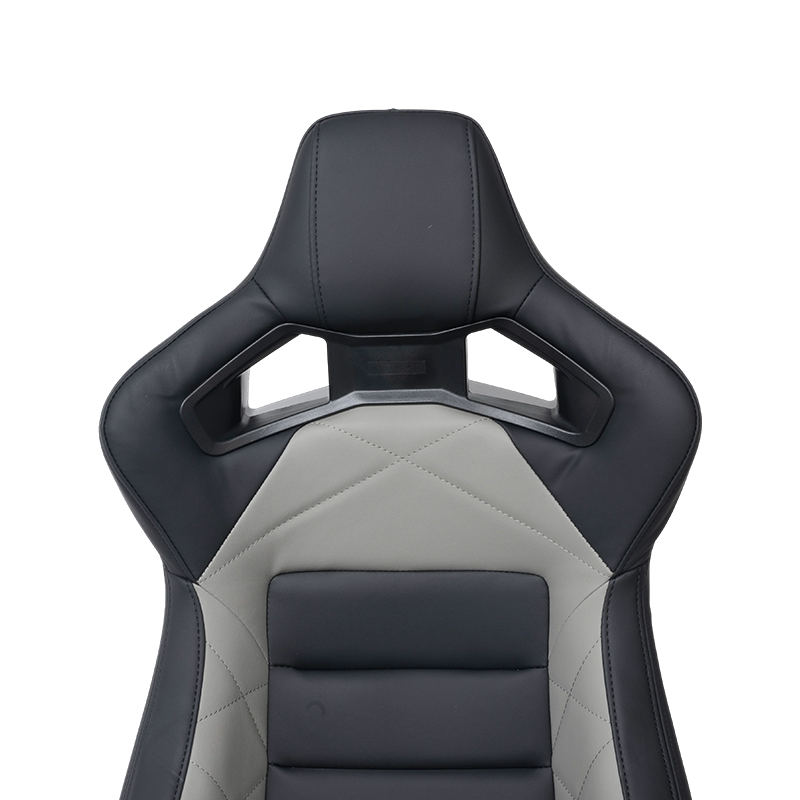
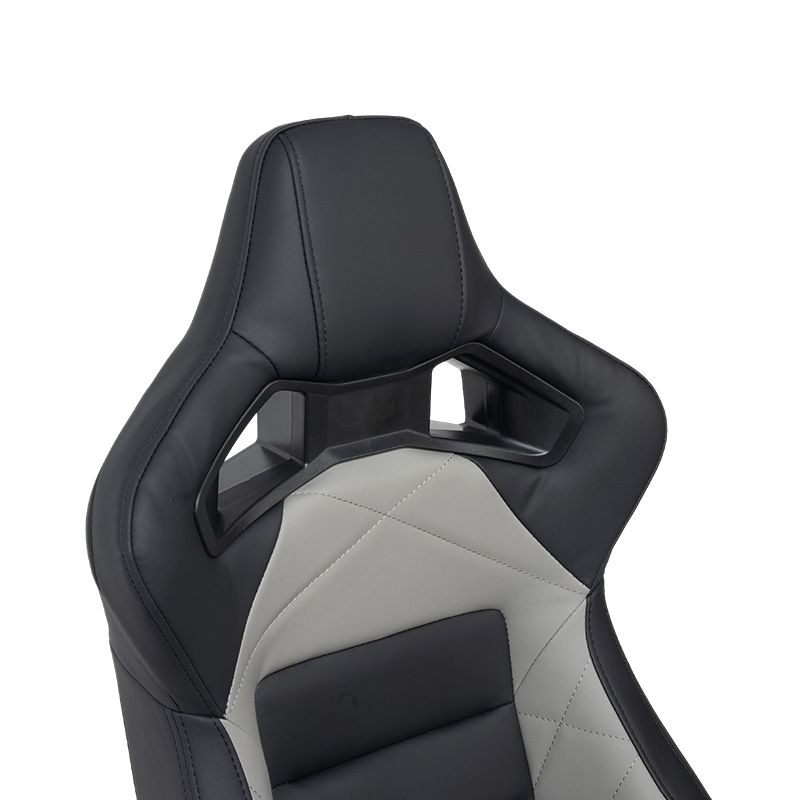
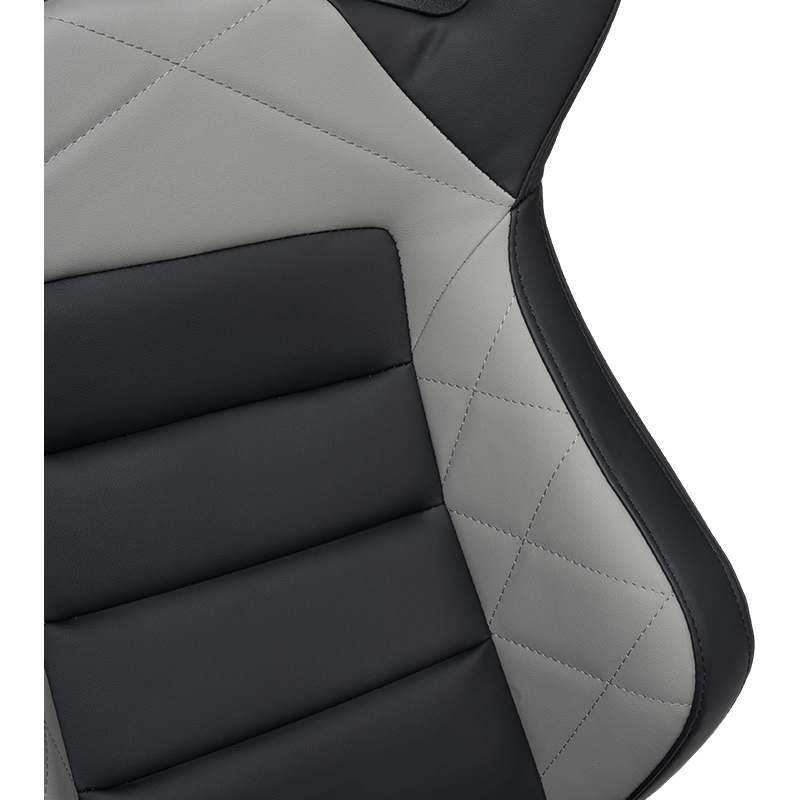
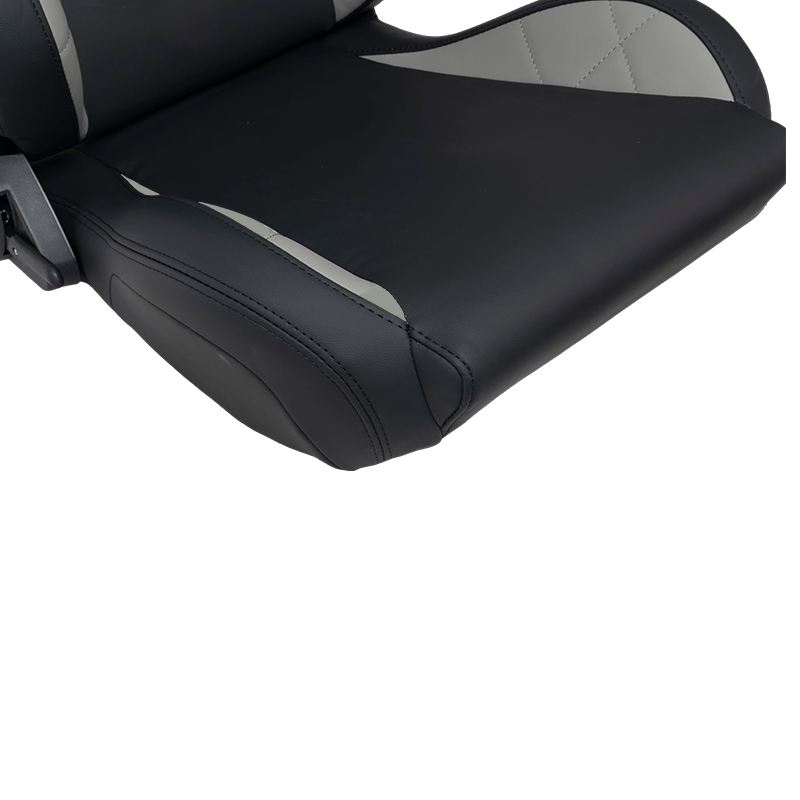
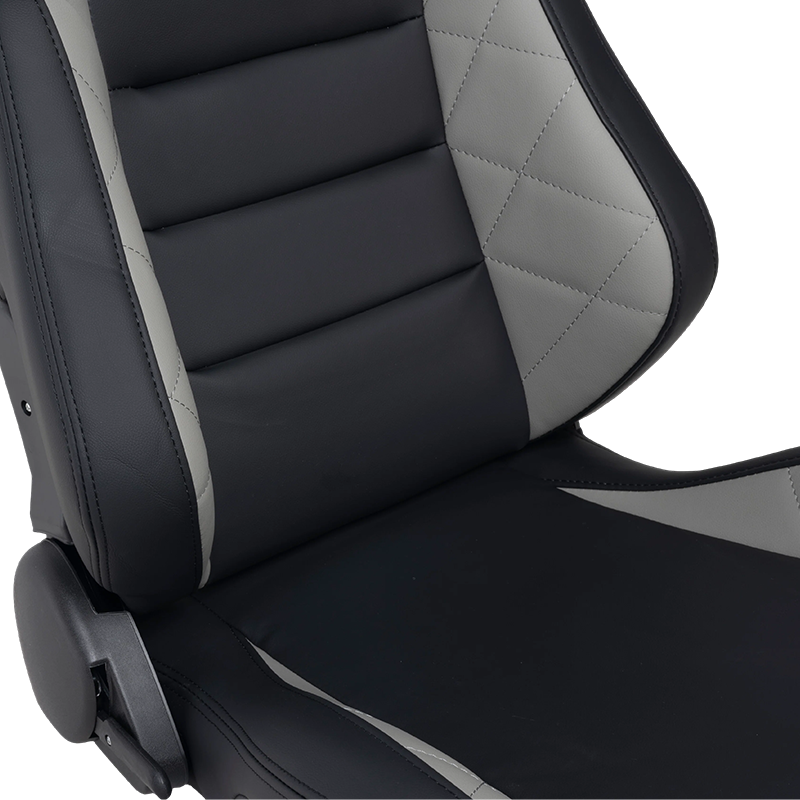
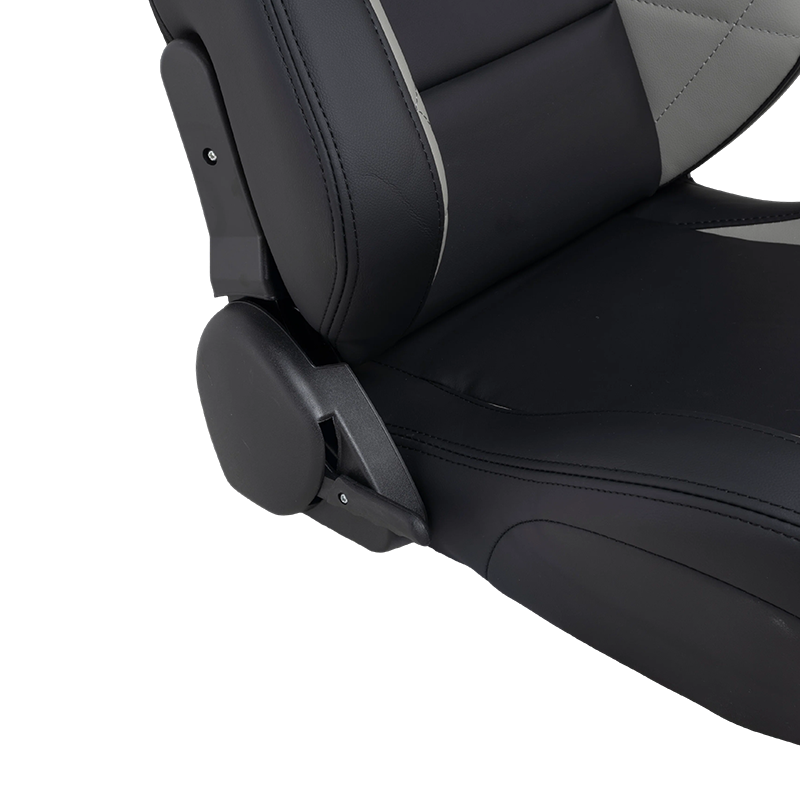
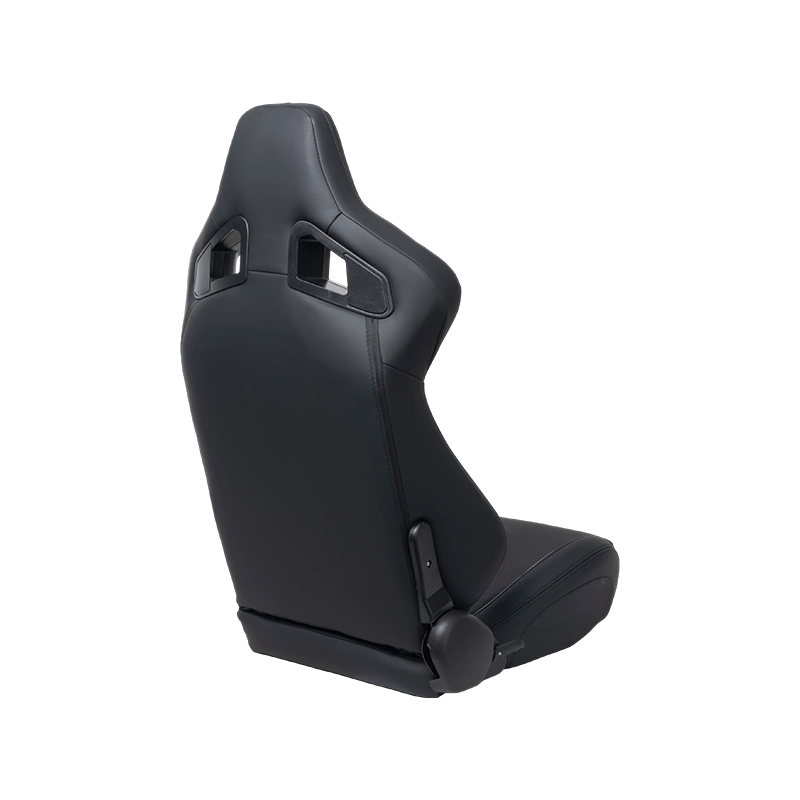
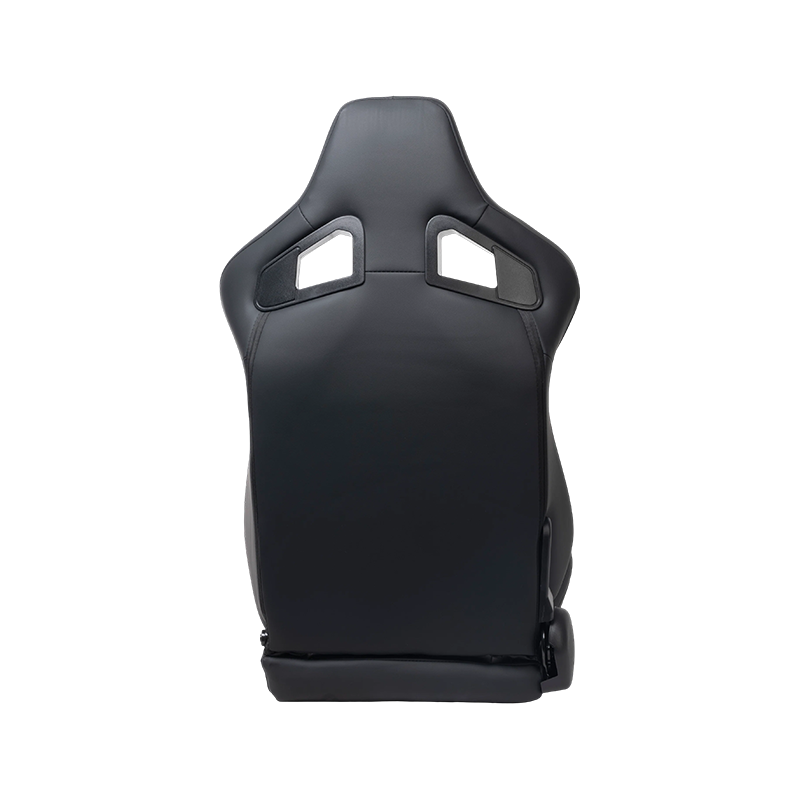
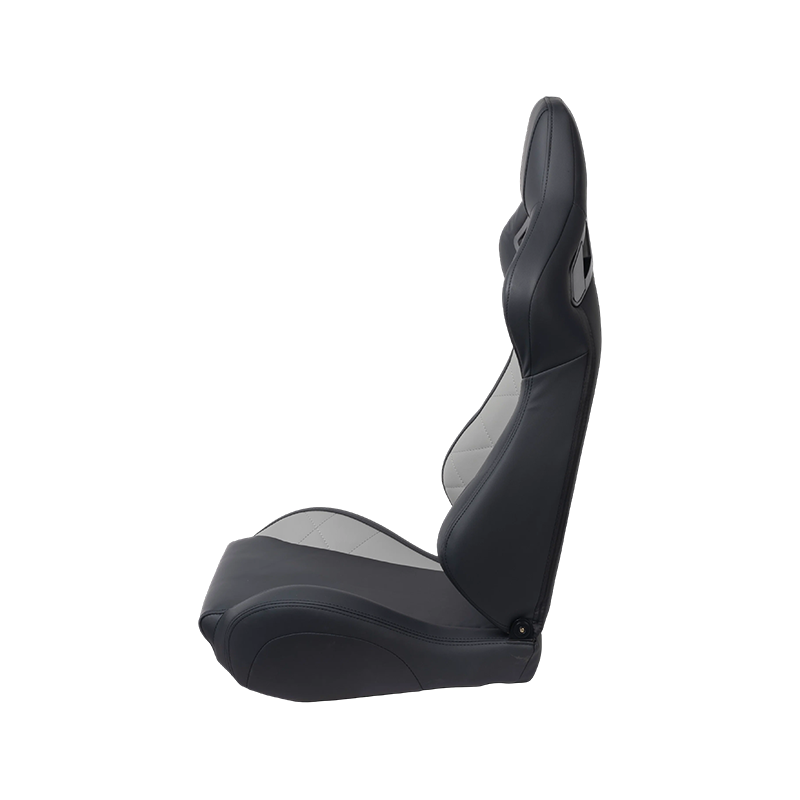
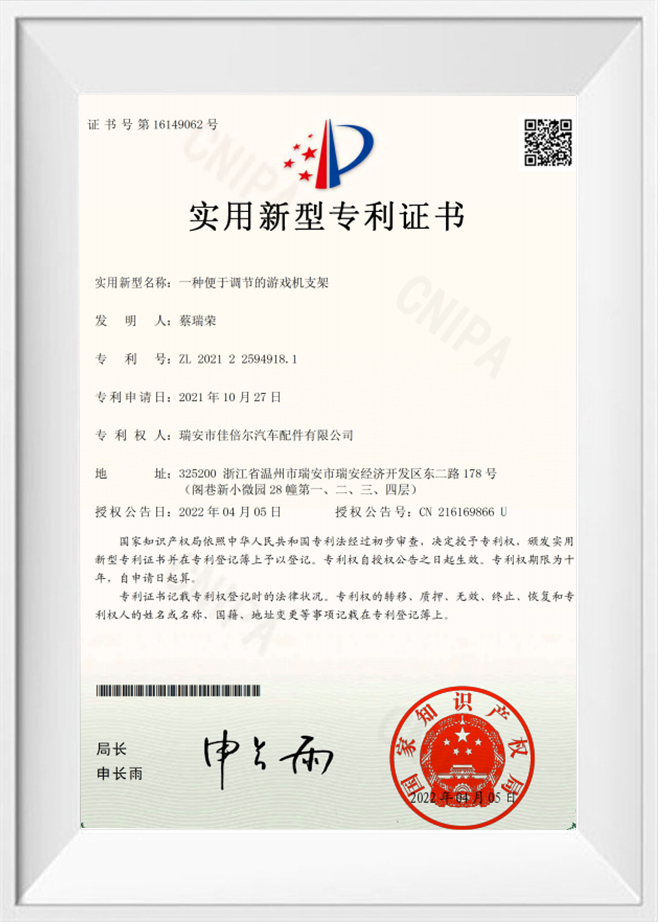
Wholesale Race Seats
Home / Products / Racing Seat
Be the First to Know!
SUBMIT

Racing Seats Manufacturer

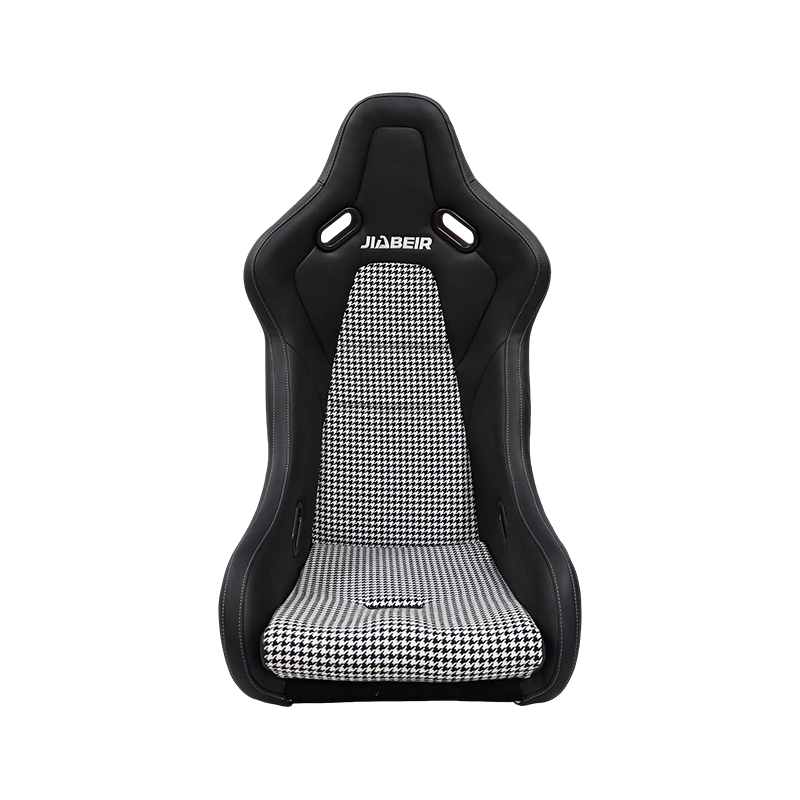
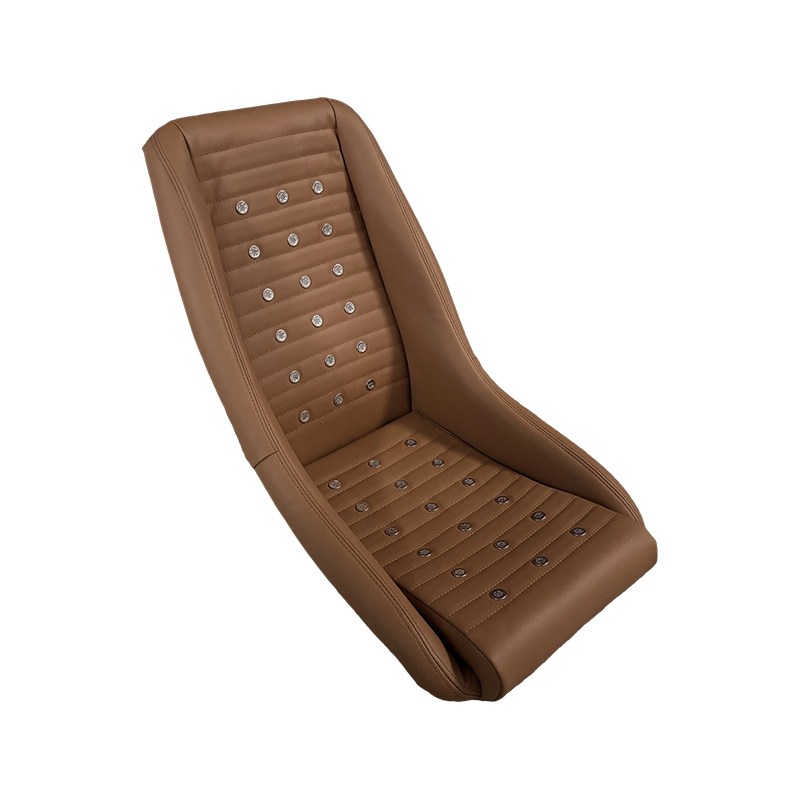
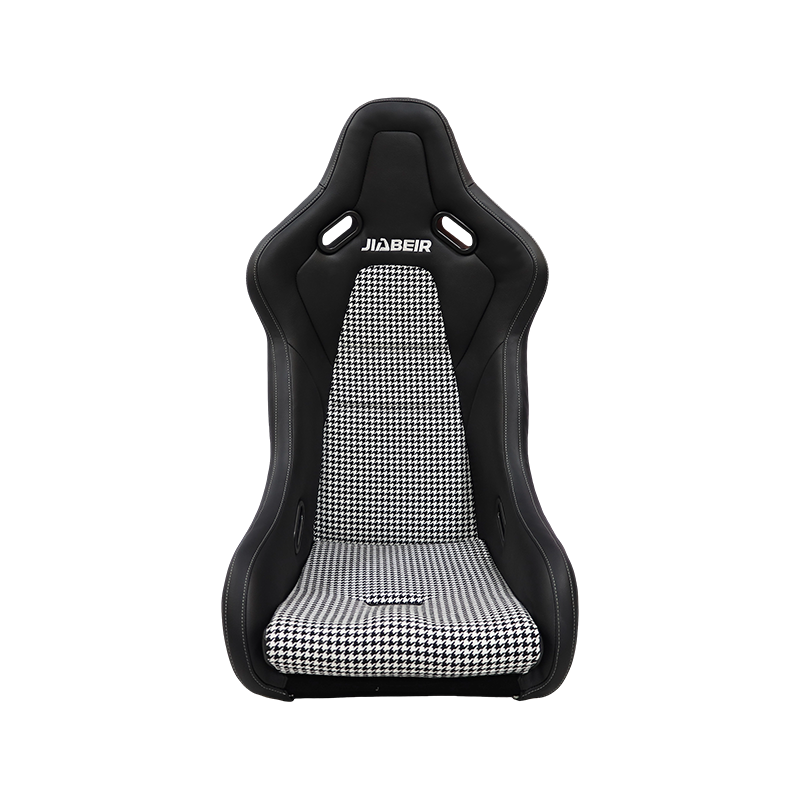
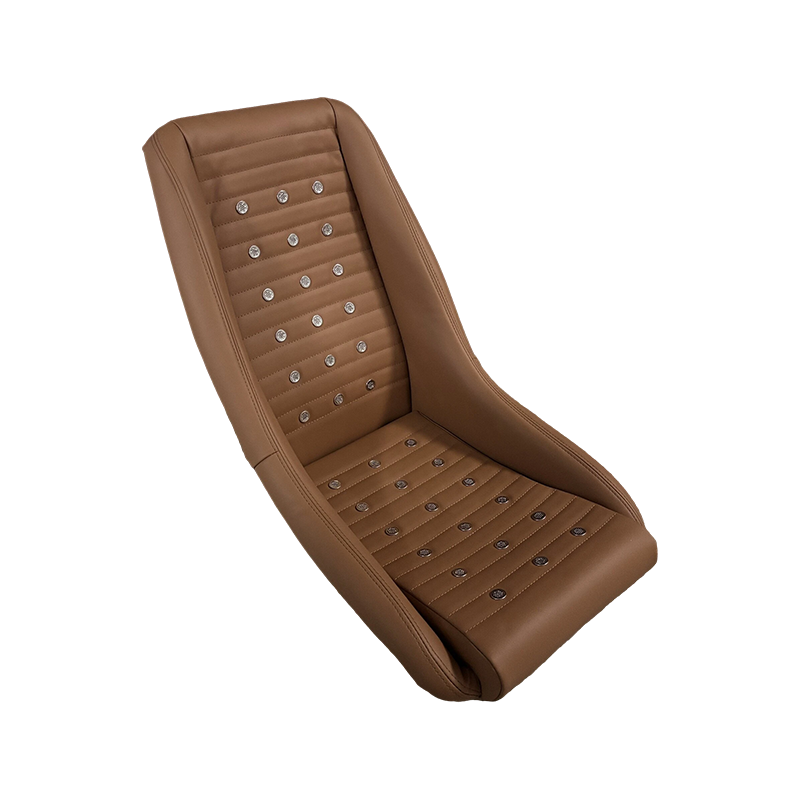
  • 9017 Bucket Seat Ultra Rigid Reinforced Racing Frame
    9017 Bucket Seat Ultra Rigid Reinforced Racing Frame
    9017 Bucket Seat Ultra Rigid Reinforced Racing Frame

    9017 Bucket Seat Ultra Rigid Reinforced Racing Frame

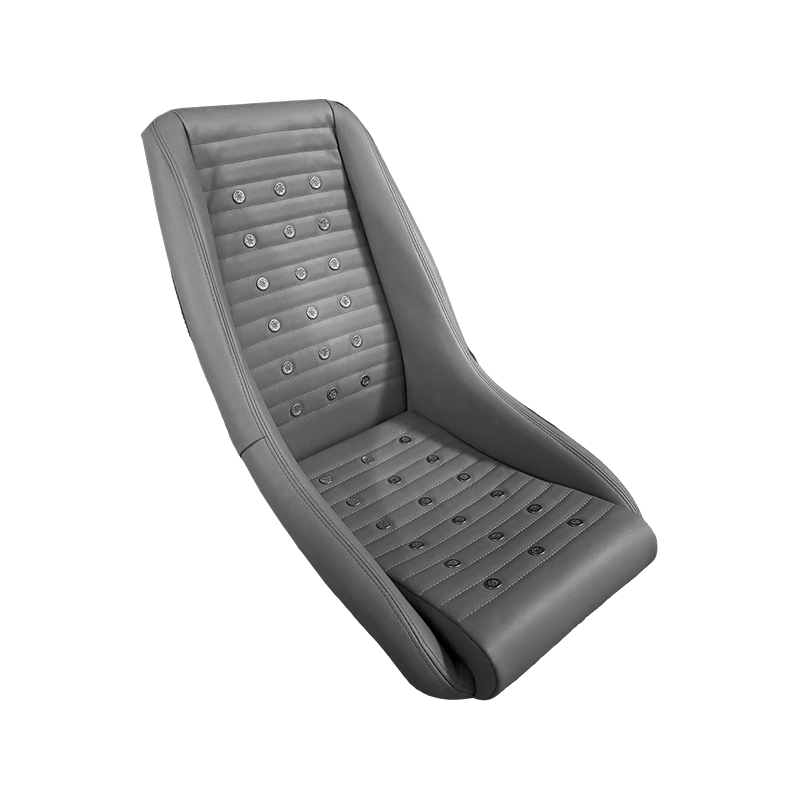
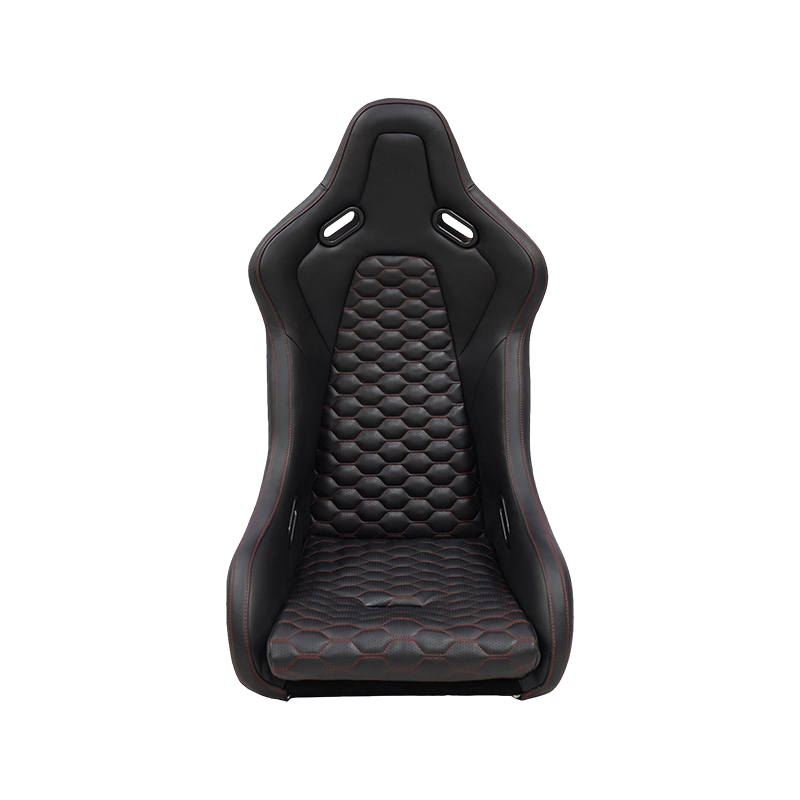
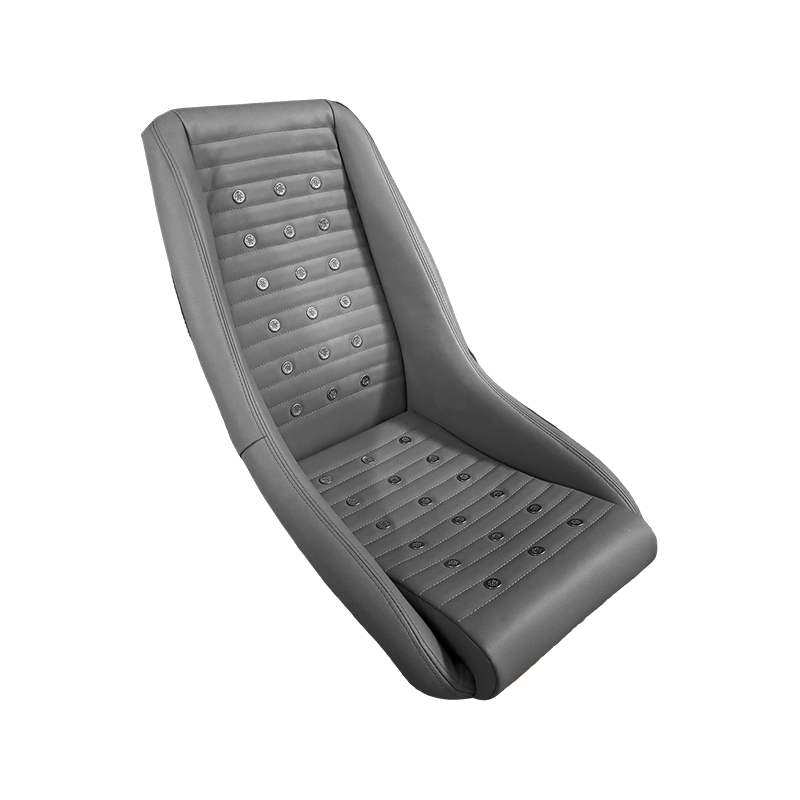
  • 9026 Bucket Seat Anti Slip Racing Surface
    9026 Bucket Seat Anti Slip Racing Surface
    9026 Bucket Seat Anti Slip Racing Surface

    9026 Bucket Seat Anti Slip Racing Surface

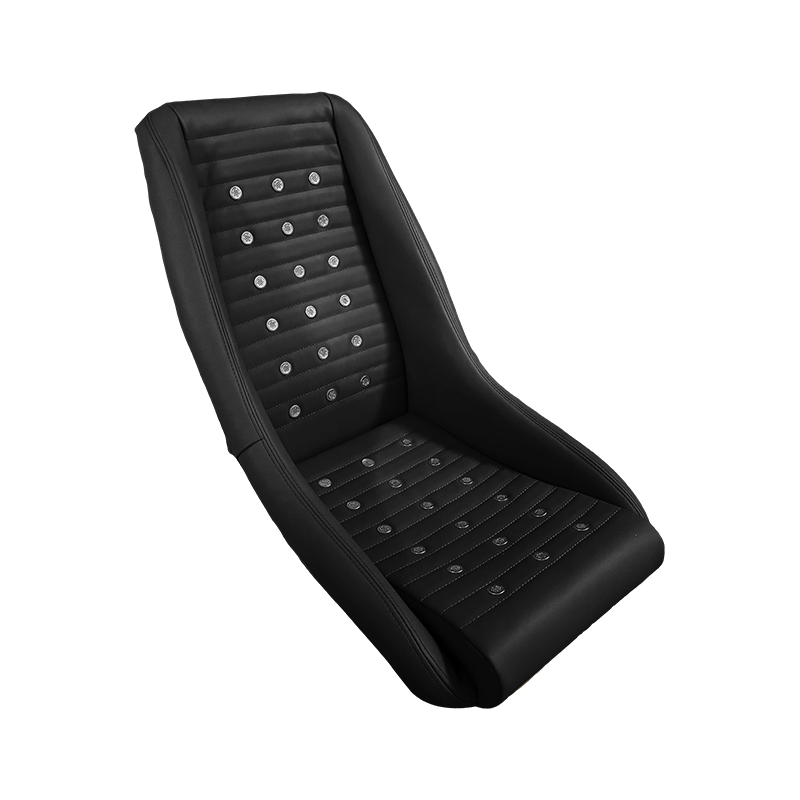
  • 1022 Fiberglass Bucket Seat Lightweight Racing Shell
    1022 Fiberglass Bucket Seat Lightweight Racing Shell

    1022 Fiberglass Bucket Seat Lightweight Racing Shell

  • 1022BB Fiberglass Bucket Seat Deep Contour Enhanced Support
    1022BB Fiberglass Bucket Seat Deep Contour Enhanced Support
    1022BB Fiberglass Bucket Seat Deep Contour Enhanced Support
    1022BB Fiberglass Bucket Seat Deep Contour Enhanced Support

    1022BB Fiberglass Bucket Seat Deep Contour Enhanced Support

  • 1065 Fiberglass Bucket Seat High Back Energy Absorbing Foam

    1065 Fiberglass Bucket Seat High Back Energy Absorbing Foam

  • 1097 Fiberglass Bucket Seat Side Bolstered Track Sports Seat
    1097 Fiberglass Bucket Seat Side Bolstered Track Sports Seat
    1097 Fiberglass Bucket Seat Side Bolstered Track Sports Seat
    1097 Fiberglass Bucket Seat Side Bolstered Track Sports Seat
    1097 Fiberglass Bucket Seat Side Bolstered Track Sports Seat
    1097 Fiberglass Bucket Seat Side Bolstered Track Sports Seat

    1097 Fiberglass Bucket Seat Side Bolstered Track Sports Seat

  • 9001 Fiberglass Bucket Seat Ergonomic Street and Racing Hybrid

    9001 Fiberglass Bucket Seat Ergonomic Street and Racing Hybrid

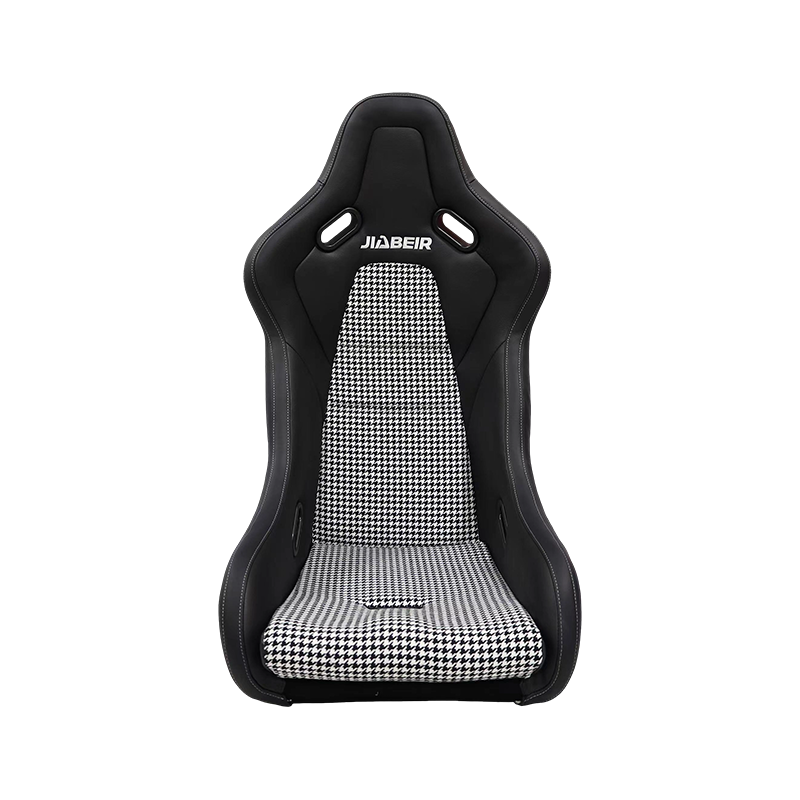
  • 9017 Fiberglass Bucket Seat Ultra Rigid Reinforced Racing Frame
    9017 Fiberglass Bucket Seat Ultra Rigid Reinforced Racing Frame
    9017 Fiberglass Bucket Seat Ultra Rigid Reinforced Racing Frame

    9017 Fiberglass Bucket Seat Ultra Rigid Reinforced Racing Frame

  • 9026 Fiberglass Bucket Seat Anti Slip Racing Surface
    9026 Fiberglass Bucket Seat Anti Slip Racing Surface
    9026 Fiberglass Bucket Seat Anti Slip Racing Surface

    9026 Fiberglass Bucket Seat Anti Slip Racing Surface

  • 1039R Fiberglass Racing Ergonomic Reclinable Seat

    1039R Fiberglass Racing Ergonomic Reclinable Seat

  • 1039RTF Fiberglass Racing Adjustable Tilt Reclinable Seat
    1039RTF Fiberglass Racing Adjustable Tilt Reclinable Seat

    1039RTF Fiberglass Racing Adjustable Tilt Reclinable Seat

Racing seats are designed to offer a Complete balance of comfort, support, and safety for those who demand high performance from their vehicles. Whether you’re a professional racer or an enthusiast looking to enhance your driving experience, racing seats provide a tailored solution to meet various needs. These seats are available in different designs, materials, and styles, catering to a wide range of vehicles, from track cars to street machines.

Enhanced Safety and Stability

One of the core advantages of racing seats is their ability to improve driver safety. Racing seats are designed to hold you securely in place, preventing movement during high-speed turns or sudden braking. This is achieved through the use of reinforced side bolsters and deep, contoured seat structures. Many models also feature compatibility with harnesses, ensuring that the driver is well-secured even during special driving conditions. The added stability helps reduce fatigue during long races, keeping you focused on the road ahead.

Ergonomic Comfort for Long Sessions

Racing seats aren’t just about performance—they’re also about comfort. The ergonomically designed seating provides advantageous support for long hours on the track. These seats often come with strategically placed padding, lumbar support, and adjustable features to cater to different body types. Whether you’re participating in a quick race or a longer endurance event, the right racing seat will reduce strain on your body, ensuring comfort without compromising performance.

Variety of Materials for good Performance

Racing seats are available in various materials, each chosen to offer specific benefits. Fiberglass and carbon fiber are commonly used due to their lightweight properties, which are crucial for enhancing vehicle performance. These materials also offer good durability and resistance to wear, ensuring the seat remains in good condition even under rigorous conditions. For those looking for additional luxury or performance, racing seats with leather or suede upholstery are also available, providing a High quality feel without sacrificing functionality.

Customizable Fit for Every Driver

Racing seats are highly customizable to suit the needs of different drivers. From adjustable backrests to seat sliders, many models allow for fine-tuning to achieve the Complete driving position. Whether you’re looking for a fixed-back racing seat for better support or a reclinable model for more flexibility, there’s a racing seat option that aligns with your preferences. Customization options can also extend to the seat’s color and upholstery, giving you the ability to match the seat to your car’s interior or personal style.

Increased Vehicle Aesthetics

Aside from performance and comfort, racing seats can also significantly enhance the look of your vehicle. The aggressive, high-performance design of racing seats adds a race-inspired aesthetic that signals serious commitment to performance. Many enthusiasts choose racing seats to complete the interior transformation of their vehicles, making it feel as if the car is ready for the track, whether or not it’s being used for competition.

Durability and Long-Term Investment

Racing seats are built to last. With a focus on high-quality materials and construction, these seats are designed to withstand harsh driving conditions and maintain their form over time. From the rigorous demands of competitive racing to the rough handling of street driving, racing seats offer long-term durability, making them a wise investment for those looking to improve their driving experience over time.

Racing seats provide significant benefits that go beyond just aesthetics. They are crucial for enhancing driver safety, comfort, and vehicle performance. With various materials, designs, and customizable features, there is a racing seat to suit every need.

About JIABEIR

Established in 2009 and rooted in GeXiang High-Tech Park, Rui'an, Zhejiang Province, Ruian JIABEIR Auto Parts Co., Ltd. specializes in the R&D and production of high-end racing seats, racing simulators, and gaming chairs. With a registered capital of RMB 10 million, the company operates a modern factory spanning 10,000 square meters and employs over 90 professionals. Equipped with two in-house production lines, we ensure end-to-end quality control from raw materials to finished products, guaranteeing superior quality and timely delivery.
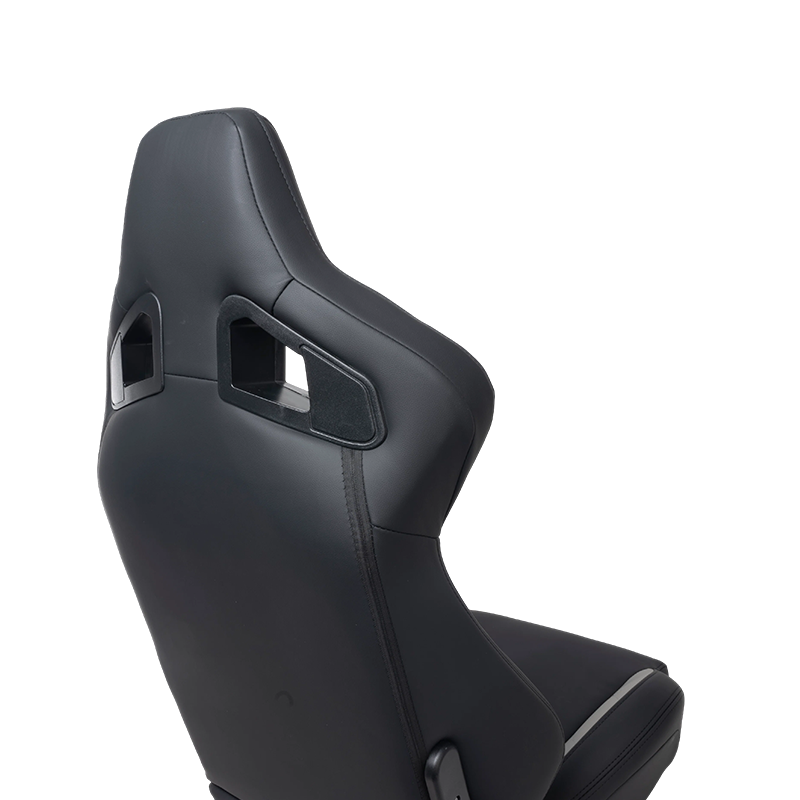
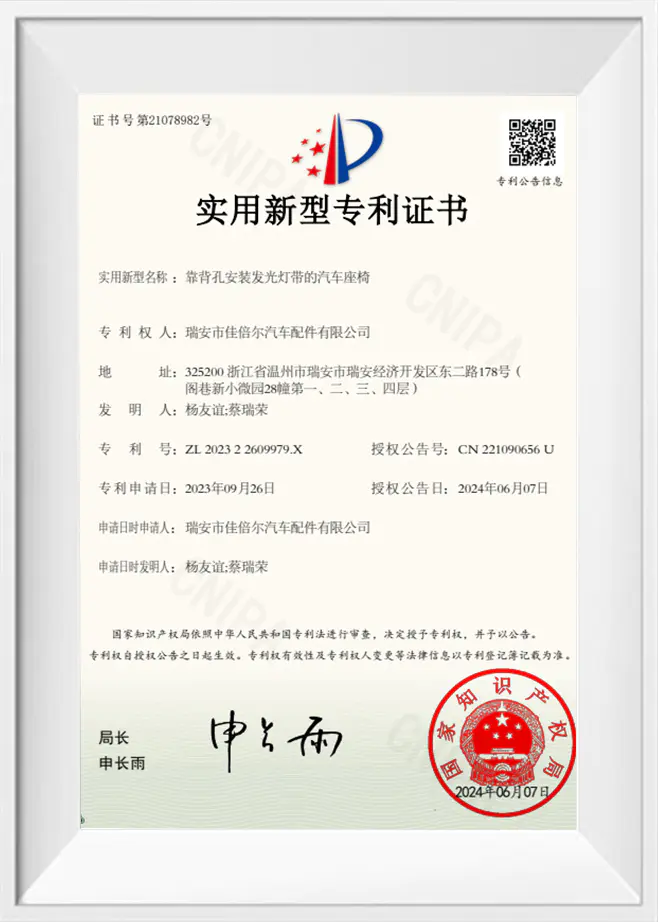
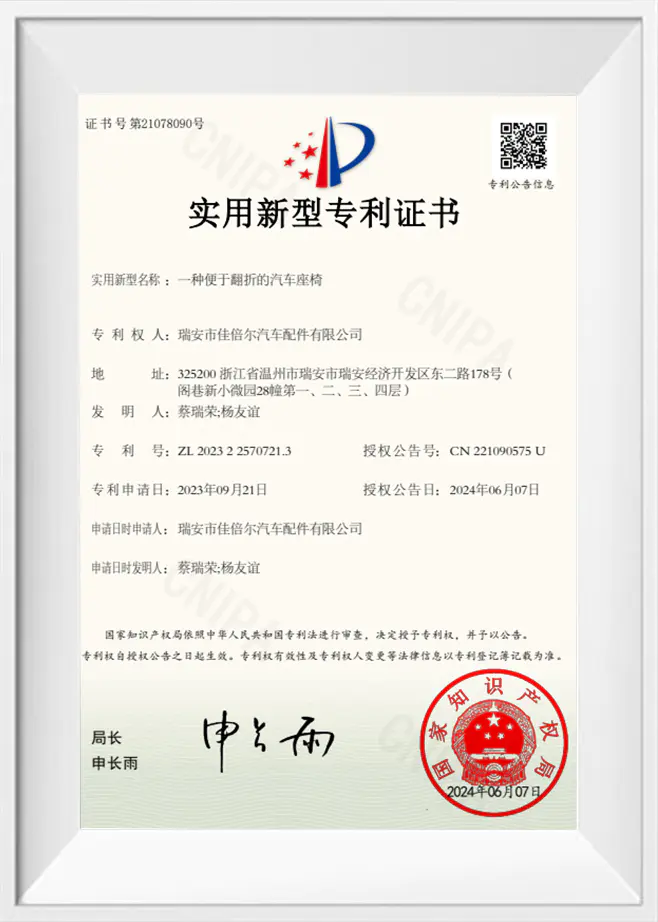
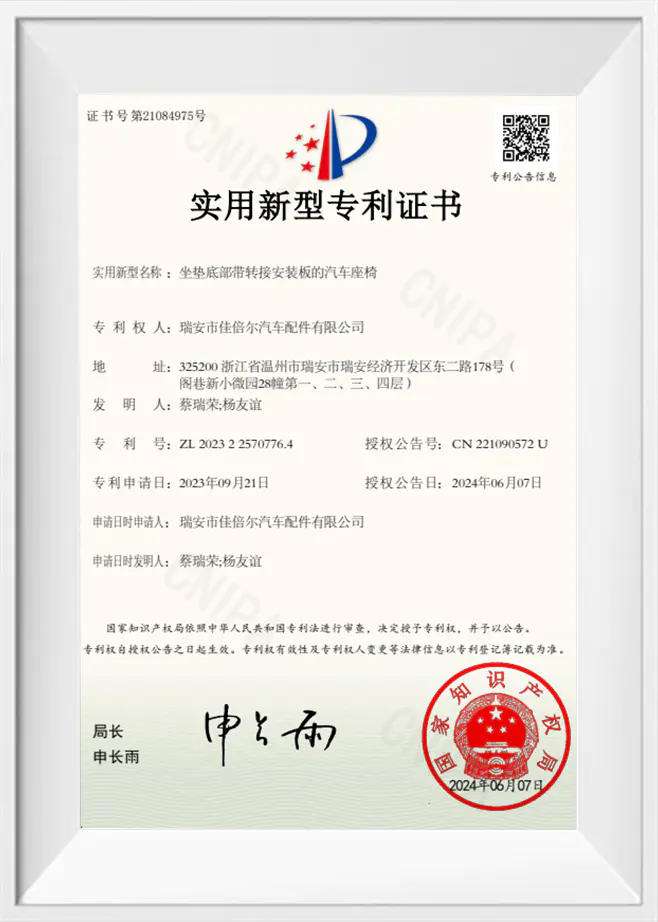
Driven by innovation, the company holds **1 invention patent, 20+ utility model patents, and nearly 100 design copyrights**, and is certified under the **IATF16949:2016** international standard. In 2022, our products were selected for the **Qatar World Cup**, providing professional seating solutions for coach and substitute benches—a testament to our global recognition.

Our products are distributed across dozens of countries in Europe, America, the Middle East, and Asia, with key markets including the U.S., Italy, and Brazil. We offer tailored **ODM/OEM services** and uphold the philosophy of **"Quality is the lifeline, service creates value."** By continuously refining craftsmanship and prioritizing user experience, we deliver ergonomic and aesthetically advanced seating solutions that are committed to advancing automotive sports culture worldwide.

Ruian JIABEIR Auto Parts Co., Ltd.

Latest Updates

Certificate Of Honor

Beyond the Bucket: How Many Types of Racing Seats a Manufacturer Actually Produces

What "Type" Means in Racing Seat Manufacturing

When a racing seat manufacturer talks about "types," they are not just counting shapes. The term covers three distinct variables: mounting style, shell construction, and homologation level. Mixing these three produces dozens of permutations. But at the component level, more manufacturers work from roughly seven core seat architectures that serve 95% of the market.

Racing Seat Types by Application

Seat Type

Construction

Homologation

Typical Weight

Best Application

Entry fiberglass

Fiberglass, hand layup

Non-homologated or FIA

9-12 kg

Track days, sim racing

Competition fiberglass

Fiberglass, vacuum bagged

FIA 8855-2024

7-9 kg

Club racing, time attack

Carbon hybrid

Carbon/fiberglass mix

FIA 8855-2024

5-7 kg

Regional pro racing

Full carbon pre-preg

Autoclave carbon

FIA 8855-2024

3-5 kg

National/professional series

Aluminum shell

6061 aluminum sheet

SFI or non-homologated

8-11 kg

Dirt track, oval, drag

Steel tube frame

Padded steel tubing

Non-homologated

12-18 kg

Show cars, off-road toys

What "Wholesale" Actually Means in Racing Seats

Wholesale race seats are not simply discounted retail seats. The wholesale process involves minimum order quantities (MOQs) , layer-one pricing (manufacturer to distributor, not manufacturer to end user), and often private labeling or exclusive distribution territories. A genuine wholesale buyer must provide a resale certificate or business license. Anyone buying a single seat at a discount from an online store is buying retail, no matter what the checkout page says.

The Four-Step Wholesale Workflow

Step one: qualification and pricing tier. The manufacturer first verifies the buyer's business status. Accepted credentials include a resale certificate, business tax ID, or proof of brick-and-mortar retail location. Pricing then falls into tiers: Tier 1 (manufacturer direct) goes to high-volume distributors buying 100+ seats per year. Tier 2 goes to regional dealers buying 25-99 seats annually. Tier 3 covers small shops buying 6-24 seats per order. Single seats do not qualify for wholesale pricing at reputable manufacturers.

Step two: MOQ and color commitments. Most racing seat manufacturers set MOQs at six to twelve seats per order, but these must often be the same model and color. A wholesale buyer wanting six black seats and six red seats of the same model might need to order twelve of each color, effectively doubling the MOQ. Some manufacturers allow mixed colors within the same production batch for an additional 10-15% upcharge.

Step three: production lead time and deposit. Wholesale orders rarely ship from stocked inventory unless the model is a high-volume seller (like a fixed-back fiberglass seat in black). Typical production lead times run 4-8 weeks for standard shells, 8-12 weeks for carbon or custom colors. Manufacturers ask for a 30-50% deposit upfront, balance before shipping. Some offer net-30 terms to established wholesale accounts with credit history.

Step four: shipping and logistics. Wholesale orders ship on pallets, not individual boxes. A pallet holds roughly 12 to 24 seats, depending on shell size and whether they nest. Freight shipping costs $200-600 per pallet across the US, higher internationally. The wholesale buyer arranges pickup from the manufacturer's dock or uses the manufacturer's negotiated carrier rates. Drop-shipping individual seats to retail customers is rarely available at wholesale pricing.

What "Custom" Means Beyond Upholstery Colors

Custom racing seats for car are not just color-matched leather and embroidered logos. Real custom seats involve shell geometry modifications to fit a specific driver's body shape, mounting position adjustments for unusual chassis configurations, or homologation exceptions for drivers outside standard size ranges (under 5'2" or over 6'5", under 120 lbs or over 280 lbs). A seat with custom stitching and a branded headrest is personalized, not custom. The distinction matters because real custom work adds weeks and thousands of dollars to a seat.

Three Reasons Custom Racing Seats Exist

  • Reason one: driver anthropometry outside standard ranges. Mass-produced racing seats come in narrow, medium, and wide. A narrow seat fits a 30-34 inch waist. Wide fits 38-42 inches. A driver with a 46-inch waist cannot fit into any standard shell without hip pinching that becomes dangerous after 20 minutes of cornering. A driver with a 28-inch waist in a wide seat slides laterally under braking. Custom shell layup adjusts the hip width, shoulder width, and thigh bolster depth to match the driver's specific measurements. This is not trimming foam—it is altering the composite mold or building a one-off shell.
  • Reason two: unusual chassis constraints. Some cars cannot accept standard side-mount or bottom-mount seats without modifications. A Lotus Elise has a narrow, asymmetrical tub. A first-generation Miata with a hardtop leaves less than 38 inches of headroom for a tall driver in a helmet. A vintage Porsche 911 has a raised transmission tunnel that offsets the driver seating position. Custom seats move the mounting bosses, recess the base for helmet clearance, or shift the entire shell off-center to align the driver's spine with the steering wheel. Off-the-shelf seats cannot solve these problems without unsafe adapter brackets.
  • Reason three: medical or physical requirements. Drivers with spinal fusions, hip replacements, or leg length discrepancies need seat features that production seats do not offer. A driver with a 1.5-inch leg length difference needs one side of the seat base built up or a separate pedal box adjustment. A driver with a lumbar fusion needs a specific back angle that does not match standard seat geometry. Custom racing seats accommodate these requirements while still passing FIA or SFI certification—though the certification applies only to the specific seat built for that driver, not to the design generally.

Custom vs. Standard Racing Seats

Feature

Standard Off-the-Shelf Seat

Personalized Seat (Trim Only)

Truly Custom Racing Seat

Shell geometry

Fixed (narrow/medium/wide)

Same as standard

Modified to driver measurements

Hip width range

340-420mm in fixed steps

Same as standard

Any width, ±1mm accuracy

Helmet clearance

Assumes average torso length

Same as standard

Adjustable via base depth and back angle

Chassis fitment

Standard side/bottom mount

Same as standard

Relocated mounting bosses, off-center shells

Homologation

FIA or SFI certified as a model

Certification voided (cover changed)

One-off certification possible (expensive)

Lead time

Stock or 2-4 weeks

1-2 weeks (upholstery shop)

8-12 weeks

Price (fiberglass)

$350-600

$450-800 (base seat + custom cover)

$1,500-2,500

Medical/physical accommodation

None

Cosmetic only

Full (leg length, spine angle, etc.)

Custom racing seats exist because human bodies and car chassis vary more than seat manufacturers can economically cover with standard tooling. A driver at either tail of the height or weight distribution, or a car with unusual interior geometry, simply has no other option. The custom seat is not luxury. For those drivers, it is the only safe way to go racing.